
The world of electronic music has lost one of its most distinctive creative voices. French producer and DJ Kavinsky, whose cinematic synth-driven sound inspired artists, filmmakers, gamers, and music lovers around the globe, has died at the age of 50. News of his passing quickly spread across the music industry, prompting tributes from fellow musicians, fans, and cultural figures who celebrated a career that reshaped modern electronic music. Authorities in Paris confirmed that an investigation into the circumstances of his death is underway, while officials reported no immediate signs of suspicious activity.
Although millions of listeners recognize Kavinsky because of the unforgettable song “Nightcall,” his influence extends far beyond one hit record. Over nearly two decades, he created an unmistakable musical identity by blending vintage synthesizers, cinematic storytelling, retro aesthetics, and modern electronic production. His work helped define the global synthwave revival and introduced countless listeners to a nostalgic yet futuristic style of music.
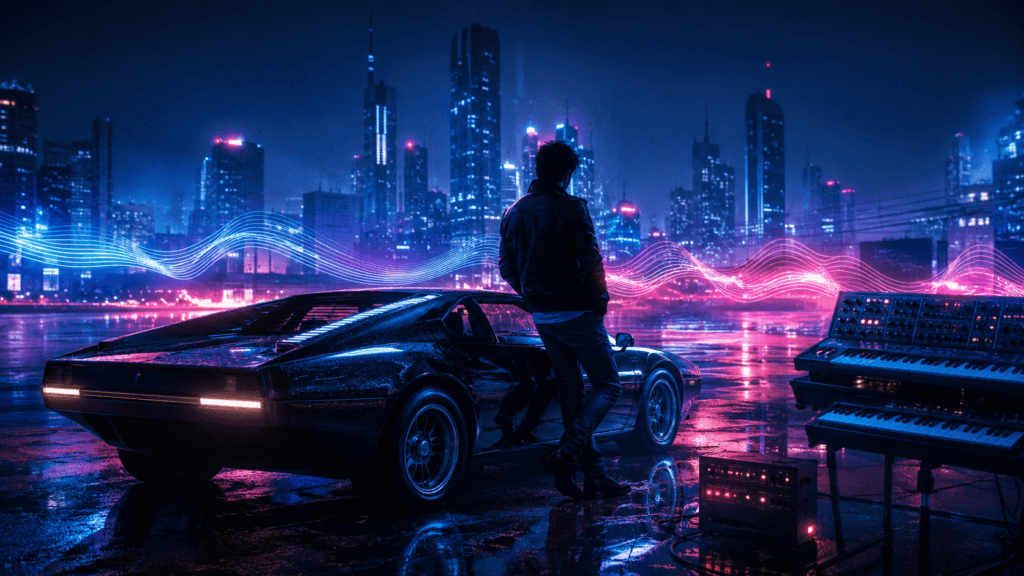
For many fans, Kavinsky represented more than an artist. He embodied an entire visual universe inspired by neon-lit highways, 1980s action films, classic sports cars, arcade games, and late-night city drives. His music rarely sounded rushed. Instead, every track felt like the soundtrack to an imaginary movie where mystery, romance, and danger existed together.
As the music community reflects on his remarkable career, this article explores who Kavinsky was, why his work mattered, how he became an international icon, and the lasting legacy he leaves behind.
Kavinsky Dies at 50: What We Know So Far
French electronic musician Kavinsky, born Vincent Belorgey, was found dead at his home in Paris on July 28, 2026. He was 50 years old. According to officials from the Paris prosecutor’s office, authorities have opened an investigation into the circumstances surrounding his death. Early findings indicate that investigators found no evidence suggesting suspicious circumstances, although the official cause of death had not been announced at the time of reporting.
The announcement came as a shock because Kavinsky had remained active in music. Many fans still remembered his widely praised performance during the closing ceremony of the Paris 2024 Olympic Games, where he performed “Nightcall” before a worldwide audience. That appearance introduced his music to a new generation while reminding longtime listeners why his signature sound remained timeless.
Soon after news of his death emerged, social media filled with heartfelt tributes. Fans shared memories of discovering his music through films, playlists, concerts, racing games, and late-night drives. Many described “Nightcall” as one of the defining songs of the modern electronic era.
French leaders also honored his contribution to the country’s cultural landscape, recognizing his influence on music both within France and internationally.
Who Was Kavinsky?
Before becoming internationally known as Kavinsky, Vincent Belorgey lived a life that seemed far removed from global music success.
Born in France in 1976, Belorgey originally pursued acting rather than music. His interest in cinema played a major role in shaping his artistic vision later in life. Instead of treating music as separate from storytelling, he combined both mediums to create immersive audio experiences.
Unlike many electronic producers who focused primarily on dance clubs, Kavinsky imagined every song as part of a larger fictional universe. His records felt like scenes from an unseen movie.
That cinematic approach eventually became his trademark.
Instead of chasing mainstream trends, he developed a unique artistic identity built around:
- Retro-futuristic visuals
- Analog synthesizer sounds
- 1980s-inspired production
- Neon aesthetics
- Dark storytelling
- Minimal yet memorable melodies
These elements helped distinguish Kavinsky from countless other electronic artists entering the scene during the mid-2000s.
The Story Behind the Name Kavinsky
One of the most fascinating aspects of Kavinsky was the fictional character he created.
Rather than performing simply as Vincent Belorgey, he invented an alter ego inspired by classic horror films, science fiction, and action movies from the 1980s.
Within this fictional universe:
- A young man crashes his Ferrari.
- He dies in the accident.
- He mysteriously returns with supernatural abilities.
- He spends eternity driving through neon-lit highways while creating electronic music.
Although audiences understood that the story was fictional, it gave every album and performance a distinctive personality.
Instead of simply releasing songs, Kavinsky invited listeners into an ongoing cinematic narrative.
That creative decision helped separate him from artists whose branding relied only on logos or costumes.
Kavinsky’s Early Life and Creative Influences
Growing up in France, Vincent Belorgey developed interests that stretched far beyond music.
He admired:
- American action films
- Horror movies
- Japanese animation
- Video games
- Vintage sports cars
- Electronic soundtracks
- 1980s pop culture
Rather than hiding those influences, he embraced them completely.
His work often paid tribute to:
- Analog synthesizers
- VHS-era visuals
- Retro arcade games
- Classic crime thrillers
- Neon cityscapes
- Midnight highways
These inspirations later became essential pieces of the Kavinsky identity.
Interestingly, many listeners who had never experienced the 1980s still connected with his music because it transformed nostalgia into something modern rather than simply recreating the past.
How Kavinsky Entered the Electronic Music Scene
The early 2000s proved to be an exciting period for French electronic music.
Artists from France had already begun attracting worldwide attention, while international audiences became increasingly interested in electronic production that blended innovation with melody.
Instead of following conventional dance music formulas, Kavinsky explored slower tempos, cinematic arrangements, and emotionally charged synthesizer compositions.
His earliest releases quickly attracted attention inside electronic music circles because they sounded different.
Rather than filling tracks with constant energy, he carefully balanced:
| Musical Element | Kavinsky’s Approach |
|---|---|
| Rhythm | Steady and cinematic |
| Melody | Simple but memorable |
| Synths | Vintage analog textures |
| Atmosphere | Dark and mysterious |
| Storytelling | Film-inspired |
| Production | Detailed and immersive |
That combination became one of his greatest strengths.
Why Kavinsky’s Sound Felt Different
Electronic music includes many subgenres.
However, Kavinsky built a sound that crossed several musical worlds without belonging entirely to any single one.
Listeners often noticed:
Heavy Cinematic Influence
Many tracks sounded less like dance records and more like movie scenes.
Instead of relying on constant vocal performances, instrumental sections carried emotional weight through layered synthesizers and carefully structured arrangements.
Retro Without Feeling Old
Although Kavinsky drew inspiration from the 1980s, his production techniques remained modern.
Consequently, younger listeners never felt that his music belonged only to previous generations.
Emotional Simplicity
His compositions rarely felt overcrowded.
Instead, small melodic ideas repeated gradually while new textures appeared throughout each song.
That restraint created atmosphere rather than overwhelming listeners.
Kavinsky and the Rise of Synthwave
Today, synthwave has become a globally recognized style of electronic music.
Yet when Kavinsky began developing his sound, the genre occupied a much smaller space.
Alongside several pioneering artists, he demonstrated that audiences still appreciated music inspired by analog synthesizers and cinematic storytelling.
His success encouraged:
- Independent producers
- Film composers
- Video game developers
- Streaming playlist curators
- Electronic festivals
As a result, synthwave gradually evolved from a niche online community into an internationally recognized musical movement.
Although many artists contributed to that transformation, Kavinsky became one of its most recognizable ambassadors.
Why “Nightcall” Changed Everything
Every artist has a defining moment.
For Kavinsky, that moment arrived with “Nightcall.”
Released in 2010, the song combined haunting vocals, pulsing synthesizers, atmospheric production, and unforgettable melodies.
However, its biggest breakthrough came after appearing prominently in the 2011 film Drive. The movie introduced millions of viewers to Kavinsky, transforming the song into one of the most recognizable electronic tracks of the decade. Years later, “Nightcall” experienced another surge in popularity following his performance during the Paris Olympics closing ceremony.
For many people around the world:
- “Nightcall” became their introduction to synthwave.
- It inspired exploration of French electronic music.
- It demonstrated how film and music could elevate one another.
- It remained a favorite long after its initial release.
That enduring popularity ensured Kavinsky would never be remembered as a one-hit wonder but as an artist whose creative vision continued to resonate across generations.
f chasing radio-friendly trends, Kavinsky focused on creating immersive experiences. Every release expanded the fictional universe surrounding his mysterious driver persona. As streaming platforms grew and social media made music easier to discover, his unique approach attracted listeners from around the world.
His rise was steady rather than sudden. Fans appreciated that his work felt authentic, carefully crafted, and visually connected. Consequently, his audience grew through word of mouth instead of relying solely on commercial promotion.
Several factors fueled his international breakthrough:
- A recognizable visual identity
- Memorable analog-inspired synth melodies
- Strong cinematic storytelling
- Consistent artistic direction
- High-quality live performances
- Music that appealed to both casual listeners and dedicated electronic music fans
Because of these strengths, Kavinsky gradually evolved from an underground producer into one of France’s most recognizable electronic artists.
How Kavinsky Created His Signature Sound
One reason Kavinsky stood apart was his dedication to atmosphere. While many producers built songs around fast drops and club energy, he preferred slower tempos and dramatic tension.
His music often featured:
Analog Synthesizers
Warm analog tones became one of his trademarks. Rather than sounding overly polished, his tracks carried subtle imperfections that added character.
Cinematic Arrangements
Every composition unfolded like a scene from an imaginary film. Instead of rushing toward a climax, songs developed gradually and rewarded patient listeners.
Minimal Yet Powerful Melodies
Many memorable electronic songs rely on complexity. Kavinsky often achieved the opposite. His melodies remained simple, although they stayed with listeners long after the music ended.
Carefully Controlled Rhythm
The rhythm rarely overwhelmed the emotional atmosphere. Instead, it guided the listener through each musical journey.
Together, these elements created a sound that felt nostalgic without becoming outdated.
Why “Nightcall” Became a Cultural Phenomenon
Few electronic songs have achieved the lasting popularity of “Nightcall.”
Originally released in 2010, the track combined haunting vocals, pulsing synthesizers, and an unforgettable melody. However, its cultural impact expanded dramatically after it appeared during the opening sequence of Nicolas Winding Refn’s acclaimed 2011 film Drive.
The pairing proved unforgettable.
Instead of functioning as background music, “Nightcall” immediately established the film’s mood. Audiences associated the song with nighttime city streets, glowing neon lights, and quiet emotional intensity.
As a result:
- Millions discovered Kavinsky for the first time.
- Streaming numbers increased significantly.
- Electronic music reached new audiences.
- Synthwave gained mainstream recognition.
Years later, the song remained one of the defining electronic tracks of the 2010s.
Why the Song Still Resonates
Many popular songs disappear after a few years. “Nightcall” followed a different path because it connected emotionally with listeners.
Its lasting appeal comes from several qualities:
| Feature | Why It Matters |
|---|---|
| Atmospheric production | Creates an emotional mood |
| Memorable melody | Easy to recognize instantly |
| Cinematic feel | Works beyond traditional music listening |
| Timeless sound | Doesn’t feel tied to one era |
| Emotional vocals | Adds mystery and intimacy |
Even listeners unfamiliar with Kavinsky often recognize the opening notes within seconds.
Kavinsky and the Success of OutRun
Although “Nightcall” became his signature song, Kavinsky offered much more than one famous single.
His debut studio album, OutRun, arrived in 2013 and expanded the fictional universe he had been building for years.
Rather than releasing a collection of unrelated tracks, the album presented a cohesive experience.
Recurring themes included:
- Speed
- Isolation
- Mystery
- Romance
- Nighttime cityscapes
- Futuristic nostalgia
Fans praised the record because every song felt connected to the larger story surrounding the mysterious driver.
Critics also appreciated its consistency.
Instead of following temporary music trends, Kavinsky delivered a project that remained true to his artistic identity.
The Meaning Behind OutRun
The album’s title referenced classic arcade racing culture while reflecting the themes that defined Kavinsky’s work.
Listeners encountered music that suggested:
- Endless highways
- Neon skylines
- Fast sports cars
- Rain-soaked streets
- Retro technology
- Dreamlike adventures
Although these images existed mainly in listeners’ imaginations, they helped transform the album into a cinematic experience.
That ability to spark visual storytelling through sound became one of Kavinsky’s greatest artistic achievements.
Notable Songs That Defined Kavinsky’s Career
While “Nightcall” received the most attention, several other recordings demonstrated his creative range.
Some of his best-known tracks include:
| Song | Why Fans Remember It |
|---|---|
| Nightcall | International breakthrough |
| Protovision | High-energy synth production |
| Roadgame | Strong cinematic atmosphere |
| Odd Look | Blend of electronic and pop influences |
| Testarossa Autodrive | Signature retro-futuristic sound |
| Rampage | Dark electronic textures |
Each release expanded the fictional world surrounding Kavinsky while reinforcing his unmistakable musical identity.
Collaborations That Expanded Kavinsky’s Reach
Although Kavinsky maintained a distinct artistic vision, collaboration played an important role throughout his career.
Working alongside respected producers, vocalists, and musicians allowed him to explore new creative directions while preserving his signature style.
His collaborations typically focused on enhancing atmosphere rather than chasing commercial success.
Instead of overpowering his identity, guest artists complemented it.
That careful balance earned respect across multiple genres.
Kavinsky and the French Electronic Music Legacy
France has produced some of electronic music’s most influential artists.
Long before streaming services connected global audiences, French producers helped redefine dance music through innovation, creativity, and technical excellence.
Within that tradition, Kavinsky carved out a unique position.
Unlike artists focused primarily on club music, he emphasized storytelling, cinematic emotion, and visual identity.
Consequently, his work complemented rather than copied the achievements of earlier generations.
His success also demonstrated that electronic music could be deeply personal while remaining widely accessible.
How Kavinsky Influenced Modern Producers
As synthwave expanded worldwide, countless musicians cited Kavinsky as an inspiration.
His influence appeared in:
- Independent electronic releases
- Video game soundtracks
- Film scores
- Television music
- Streaming playlists
- Live audiovisual performances
Young producers frequently admired his commitment to consistency.
Instead of changing styles with every trend, he refined one artistic vision over many years.
That approach encouraged emerging musicians to develop their own identities rather than imitate current chart leaders.
The Role of Visual Storytelling in Kavinsky’s Career
Music formed only part of the Kavinsky experience.
Visual storytelling remained equally important.
Album artwork, promotional photography, music videos, and live performances all reflected the same fictional universe.
Common visual themes included:
- Red sports cars
- Neon lighting
- Empty highways
- Retro electronics
- Dark city skylines
- VHS-inspired aesthetics
Because every creative element aligned with his music, fans experienced a complete artistic world rather than isolated songs.
This consistency strengthened his brand without feeling artificial.
Why Kavinsky Connected With Multiple Generations
One remarkable aspect of Kavinsky’s career was his broad audience.
Older listeners appreciated the references to classic films, vintage synthesizers, and 1980s culture.
Meanwhile, younger audiences discovered his music through:
- Streaming platforms
- Social media
- Video games
- Film soundtracks
- Live festival performances
- Olympic broadcasts
As a result, his fan base continued growing long after his earliest releases.
His music never depended on nostalgia alone.
Instead, it transformed familiar influences into something fresh for every generation.
A Career Built on Artistic Consistency
Many musicians reinvent themselves repeatedly.
Kavinsky took a different approach.
Although his production techniques evolved over time, the core elements of his artistic identity remained remarkably consistent.
Throughout his career, listeners could expect:
- Cinematic storytelling
- Emotional synth melodies
- Carefully designed visuals
- Strong conceptual themes
- High production quality
- A distinctive retro-futuristic atmosphere
Because of that consistency, every new project felt like another chapter in the same ongoing story.
Fans appreciated knowing they were entering a familiar world while still discovering something new.
Career Milestones That Defined Kavinsky
Although Kavinsky released relatively few studio projects compared with some electronic artists, nearly every major release became an important chapter in his career. Instead of prioritizing quantity, he focused on creating music that felt timeless.
Over the years, his achievements reflected careful artistic growth rather than rapid commercial expansion.
Key Career Timeline
| Year | Career Milestone |
|---|---|
| Mid-2000s | Began releasing electronic music under the name Kavinsky |
| 2006 | Released early EPs that introduced his retro-futuristic style |
| 2010 | Released “Nightcall,” which later became his signature song |
| 2011 | Gained worldwide recognition after Drive featured “Nightcall” |
| 2013 | Released debut studio album OutRun |
| 2014–2023 | Performed at major festivals and international concerts |
| 2024 | Delivered a widely praised performance during the Paris Olympic Games closing ceremony |
| 2026 | Passed away at age 50, leaving a lasting legacy in electronic music |
Rather than chasing yearly releases, Kavinsky allowed each project to develop naturally. As a result, fans viewed every new appearance as an important event.
Kavinsky and the Paris Olympics
One of the biggest moments of Kavinsky’s later career came during the closing ceremony of the Paris 2024 Olympic Games.
The ceremony celebrated French culture before millions of viewers around the world. During the event, Kavinsky performed “Nightcall,” introducing his music to an audience far beyond electronic music fans. The performance quickly became one of the ceremony’s most talked-about musical moments and led to renewed global interest in his catalog.
For longtime followers, the performance represented recognition that had taken years to earn.
For new listeners, it became the first introduction to his music.
Streaming platforms soon reported increased interest in Kavinsky’s work as viewers searched for the songs they had heard during the ceremony.
Why the Olympic Performance Mattered
Large international events often create unforgettable cultural moments.
For Kavinsky, the Olympics achieved several important things:
- Introduced his music to millions of first-time listeners.
- Reintroduced classic songs to longtime fans.
- Highlighted French electronic music on a global stage.
- Demonstrated that synthwave still resonates with modern audiences.
- Reinforced his reputation as one of France’s influential contemporary musicians.
Even years later, many people associated that ceremony with the powerful atmosphere created by his performance.
Kavinsky and the Evolution of Live Performances
Studio recordings formed only one part of Kavinsky’s artistic identity.
His concerts also reflected the cinematic themes found throughout his music.
Instead of relying solely on lighting effects, performances often combined:
- Neon-inspired visuals
- Dark stage environments
- Carefully synchronized video projections
- Retro color palettes
- Minimal but striking stage design
This visual consistency strengthened the fictional universe surrounding his music.
Fans frequently described attending a Kavinsky concert as stepping inside one of his albums.
How Kavinsky Influenced Modern Film
Although many musicians license songs to movies, Kavinsky’s relationship with cinema felt much deeper.
His background in acting and love of film influenced every stage of his creative process.
Because of that connection, filmmakers appreciated music that already carried cinematic emotion.
His sound proved especially effective in stories featuring:
- Urban settings
- Mystery
- Psychological drama
- Late-night journeys
- Character-driven narratives
- Stylish visual storytelling
As a result, audiences often remembered both the music and the scenes together.
Kavinsky and the Gaming Community
Video games also played an important role in expanding Kavinsky’s audience.
His music naturally complemented genres such as:
- Racing games
- Action adventures
- Cyberpunk experiences
- Open-world exploration
- Arcade-inspired titles
Players frequently described his tracks as ideal driving music because they created tension without becoming distracting.
Developers similarly appreciated the emotional atmosphere his music provided.
Consequently, gaming communities embraced Kavinsky alongside film audiences.
Why Kavinsky Became a Symbol of Synthwave
Today, synthwave includes thousands of artists around the world.
Nevertheless, several names consistently appear whenever fans discuss the genre’s history.
Kavinsky occupies that position because he helped shape public understanding of synthwave.
His work demonstrated that the genre could combine:
| Musical Quality | Impact on Listeners |
|---|---|
| Nostalgia | Emotional connection |
| Modern production | Contemporary appeal |
| Storytelling | Strong artistic identity |
| Minimal melodies | High memorability |
| Cinematic pacing | Lasting atmosphere |
Instead of becoming trapped by nostalgia, he used it as inspiration for original creativity.
The Lasting Influence of Kavinsky on Electronic Music
Musical influence often becomes clearer with time.
Even artists who never collaborated directly with Kavinsky adopted ideas that reflected his creative philosophy.
Examples include:
Greater Focus on Atmosphere
Many producers began emphasizing emotional storytelling instead of constant intensity.
Stronger Visual Branding
Artists increasingly treated visuals as part of the music rather than separate marketing material.
Concept Albums
Albums built around fictional worlds became more common across electronic genres.
Retro Production Techniques
Vintage synthesizer sounds experienced renewed popularity among younger musicians.
Although these trends involved many contributors, Kavinsky remained one of the movement’s defining figures.
Kavinsky’s Influence Beyond Electronic Music
Interestingly, his influence reached well beyond dance music.
Creative professionals across several industries drew inspiration from his work.
These included:
- Film directors
- Advertising agencies
- Graphic designers
- Digital artists
- Photographers
- Fashion designers
- Automotive brands
- Independent game developers
Many admired the way he created a complete artistic universe rather than simply releasing songs.
That multidisciplinary influence continues today.
Why Fans Felt a Personal Connection to Kavinsky
Despite the mysterious fictional character behind his music, fans often felt a surprisingly personal connection.
Several reasons explain this bond.
His Music Invited Imagination
Rather than telling listeners exactly what to think, his compositions left room for personal interpretation.
Emotional Simplicity
His melodies communicated feeling without unnecessary complexity.
Consistent Identity
Fans trusted that every project would remain true to the world he had created.
Timeless Themes
Loneliness, adventure, mystery, hope, and reflection remain universal human experiences.
Therefore, listeners from different countries and generations connected with his music in unique ways.
The Worldwide Reaction Following Kavinsky’s Death
News of Kavinsky’s passing quickly spread across the international music community.
Artists, producers, fans, and cultural organizations shared tributes celebrating his creativity and influence. Many reflected on discovering electronic music through “Nightcall” or remembered his memorable appearance during the Paris Olympics. French officials also acknowledged his contribution to the country’s modern cultural identity.
Across social media, common themes appeared repeatedly:
- Appreciation for his originality
- Gratitude for his influence on synthwave
- Memories connected to “Nightcall”
- Admiration for his artistic consistency
- Respect for his lasting legacy
These tributes illustrated how deeply his work resonated with audiences around the world.
Lessons Future Artists Can Learn From Kavinsky
One reason Kavinsky’s career continues to inspire musicians is that his success offers valuable creative lessons.
Build a Unique Identity
Instead of following trends, develop a recognizable artistic voice.
Prioritize Quality
A smaller catalog with consistently strong work can leave a lasting impression.
Think Beyond Music
Visual storytelling, branding, and atmosphere strengthen artistic identity.
Stay Consistent
Audiences appreciate artists who remain authentic while continuing to evolve.
Create Emotional Experiences
Technology changes constantly, but genuine emotional connection never goes out of style.
These principles explain why Kavinsky’s influence extends well beyond his own recordings.
The End of an Era, but Not the End of the Music
Although Kavinsky is no longer with us, his music continues to reach new listeners every day.
Streaming services, film soundtracks, playlists, and live performances ensure that future generations will discover his work.
Artists often hope to create songs that survive changing trends.
Few achieve that goal.
Through a combination of originality, cinematic vision, and emotional storytelling, Kavinsky accomplished exactly that.
His legacy now belongs not only to electronic music but also to modern popular culture.
Kavinsky’s Complete Discography
Although Kavinsky maintained a relatively selective release schedule, every project contributed to his carefully crafted artistic identity. Instead of flooding the market with frequent albums, he focused on quality and consistency.
Studio Albums
| Album | Release Year | Highlights |
|---|---|---|
| OutRun | 2013 | Debut studio album featuring “Protovision,” “Odd Look,” and other fan favorites |
| Reborn | 2022 | Marked his return after several years with a refreshed yet familiar synthwave sound |
Selected EPs
| EP | Release Year |
|---|---|
| Teddy Boy | 2006 |
| 1986 | 2007 |
| Blazer | 2008 |
| Nightcall | 2010 |
While these releases represent the core of Kavinsky’s catalog, numerous remixes, collaborations, and live performances also shaped his artistic journey.
Most Popular Kavinsky Songs
Several tracks continue attracting millions of listeners years after their release.
| Song | Why It Stands Out |
|---|---|
| Nightcall | Signature hit recognized worldwide |
| Protovision | Powerful synth-driven production |
| Odd Look | Memorable collaboration blending electronic and pop influences |
| Roadgame | Atmospheric storytelling |
| Testarossa Autodrive | A fan favorite among synthwave enthusiasts |
| Blizzard | Dark cinematic textures |
| Rampage | High-energy electronic composition |
These recordings demonstrate why Kavinsky became one of the defining names in modern synthwave.
Awards, Recognition, and Career Highlights
Although Kavinsky never focused on collecting awards, his work earned widespread recognition across music, film, and popular culture.
Some of his most notable achievements include:
- International breakthrough with “Nightcall.”
- Music featured prominently in the critically acclaimed film Drive.
- Helped introduce synthwave to mainstream audiences.
- Performed during the Paris 2024 Olympic Games closing ceremony.
- Influenced countless electronic producers worldwide.
- Built one of the most recognizable artistic identities in modern electronic music.
Perhaps his greatest achievement was creating music that remained culturally relevant more than a decade after its original release.
Why Kavinsky Will Continue to Inspire Future Generations
Music trends constantly evolve.
However, certain artists remain influential because they create something timeless rather than temporary.
Kavinsky belongs in that category.
Future musicians can learn several valuable lessons from his career.
Stay True to Your Vision
Instead of copying current trends, he developed a unique creative identity that audiences immediately recognized.
Blend Different Art Forms
His music, visuals, storytelling, and fictional character worked together to create a complete artistic experience.
Focus on Lasting Quality
Rather than releasing music simply to stay visible, he prioritized craftsmanship.
Build Emotional Connections
His songs often relied on mood and atmosphere instead of complexity.
Because of these qualities, his work continues reaching new listeners every year.
Interesting Facts About Kavinsky
Many fans know Kavinsky through “Nightcall,” but his career included several fascinating details.
1. His Stage Character Was Fictional
The mysterious driver featured throughout his work was part of a fictional story inspired by classic cinema.
2. Acting Influenced His Music
Before focusing on music, Vincent Belorgey explored acting, which later shaped his cinematic creative style.
3. Cars Played an Important Role
Sports cars, highways, and nighttime driving became recurring themes throughout his artistic universe.
4. He Helped Popularize Synthwave
His work introduced countless listeners to retro-inspired electronic music.
5. Visual Identity Was Essential
Album covers, music videos, and live performances all reflected the same fictional world.
6. His Music Crossed Multiple Industries
His influence reached films, television, advertising, fashion, gaming, and digital art.
Kavinsky by the Numbers
| Category | Overview |
|---|---|
| Birth Name | Vincent Belorgey |
| Nationality | French |
| Profession | Music Producer, DJ, Composer |
| Primary Genre | Electronic, Synthwave, Electro |
| Best-Known Song | Nightcall |
| Debut EP | Teddy Boy |
| Debut Album | OutRun |
| Second Album | Reborn |
| Global Breakthrough | Drive soundtrack |
| Legacy | Pioneer of modern synthwave |
Frequently Asked Questions About Kavinsky
Who was Kavinsky?
Kavinsky was the stage name of French electronic musician, producer, and DJ Vincent Belorgey. He became internationally famous for creating cinematic synthwave music, especially the hit song “Nightcall.”
Why is Kavinsky famous?
He gained worldwide recognition after “Nightcall” appeared in the 2011 film Drive. The song later became one of the defining electronic tracks of the decade.
What genre of music did Kavinsky create?
His music blended synthwave, electronic, electro, and cinematic influences inspired by 1980s popular culture.
What is Kavinsky’s biggest song?
Without question, “Nightcall” remains his most recognizable and commercially successful recording.
What albums did Kavinsky release?
His two studio albums are:
- OutRun (2013)
- Reborn (2022)
Did Kavinsky perform at the Olympics?
Yes. He performed during the closing ceremony of the Paris 2024 Olympic Games, introducing his music to a massive worldwide audience.
Why do people associate Kavinsky with cars?
Cars formed a central part of his fictional artistic universe, inspired by classic action films, racing culture, and nighttime driving.
What made Kavinsky’s music unique?
His music combined cinematic storytelling, analog synthesizers, emotional melodies, and consistent visual design into a distinctive artistic identity.
How did Kavinsky influence electronic music?
He helped popularize synthwave internationally and inspired producers across electronic music, film scoring, and gaming.
What legacy does Kavinsky leave behind?
His greatest legacy is proving that electronic music can tell stories, create emotional worlds, and remain timeless without following temporary trends.
Final Thoughts on Kavinsky
The passing of Kavinsky marks the loss of one of electronic music’s most imaginative artists. While his catalog may be smaller than those of many of his contemporaries, its impact is undeniable. Through carefully crafted compositions, unforgettable melodies, and a cinematic vision unlike any other, he transformed synthwave from a niche style into a global cultural force.
His breakthrough with “Nightcall” introduced millions of listeners to a fresh interpretation of electronic music, yet his influence extended far beyond a single song. Albums like OutRun and Reborn demonstrated his commitment to artistic consistency, while his celebrated performance during the Paris Olympics reminded audiences that truly original music can remain relevant across generations.
Although Vincent Belorgey is gone, Kavinsky’s work continues to inspire musicians, filmmakers, designers, and fans around the world. Every late-night drive, glowing city skyline, and nostalgic synth melody will continue to remind listeners of the unique world he created.
Great artists leave behind more than recordings—they leave behind ideas. Kavinsky did exactly that, and his influence will continue shaping electronic music for years to come.