
TV Reviews

Explore the latest TV Reviews and show ratings. Discover reviews of series, seasons and new releases. Get honest coverage from the US and global television industry on CLIMAX Magazine every day.

Featured image for Dancing with the Stars: The Next Pro Episode 4 recap highlighting standout performances and the chemistry challenge.

Dancing with the Stars: The Next Pro Episode 4 Recap – Who Stole the Show?

The dancing with the stars franchise has built its reputation on unforgettable performances, emotional storytelling, and the ability to turn talented dancers into household names. While celebrity contestants usually take center stage in the flagship American TV series, The Next Pro shifts the spotlight toward aspiring professional dancers competing for a career-changing opportunity. Episode 4 marked a significant turning point in the competition. Instead of rewarding technical ability alone, the challenge focused on chemistry between dance partners. Contestants needed to demonstrate trust, connection, and stage presence while performing demanding ballroom routines in front of the judges and a national audience. As the competition became more intense, every routine carried greater weight. Some partnerships flourished under pressure, creating performances that captivated both the judges and viewers. Others struggled to establish a believable connection, proving that even excellent technique cannot fully compensate for a lack of chemistry. This recap explores the biggest moments from Episode 4, the performances that stood out, the judging criteria, the elimination, and what the results reveal about the future of dancing with the stars. Throughout the episode, one message became increasingly clear: becoming a professional dancer requires far more than mastering choreography—it demands the ability to connect with a partner and tell a story that audiences remember. If you’re looking for more TV show reviews, don’t miss our in-depth coverage of Fightland (2026), where we explore the cast, story, ending, and whether the Starz crime drama is worth watching. Why Dancing with the Stars Created The Next Pro For nearly two decades, dancing with the stars has introduced audiences to some of ballroom dancing’s most recognizable professionals. As the franchise continues to evolve, finding and developing new talent has become increasingly important. The Next Pro was created to identify dancers who possess not only technical excellence but also the confidence, adaptability, and television presence required to succeed on one of America’s most recognizable dance competitions. Unlike a traditional dance contest, contestants are evaluated across multiple areas, including: Ballroom and Latin technique Musical interpretation Performance quality Partnership skills Adaptability during rehearsals Ability to entertain a television audience Winning the competition represents much more than a trophy. It offers dancers the opportunity to join one of television’s most established ballroom franchises and perform on a much larger stage. Interested in more television news? Read our coverage of The Walking Dead Netflix streaming deal to learn how one of television’s biggest franchises is reaching a wider audience through its latest streaming agreement. Dancing with the Stars Episode 4 Introduces the Chemistry Challenge Episode 4 centered on a single idea that professional ballroom dancers consider essential—chemistry. While choreography and technical execution remain important, emotional connection often determines whether a routine feels memorable. This week’s challenge required contestants to perform styles that naturally emphasize partnership, including the Argentine Tango and the Rumba. These dances demand trust, timing, and convincing storytelling from both performers. Unlike previous episodes, contestants also selected their own partners before rehearsals began. That decision added another strategic layer to the competition because every dancer wanted a teammate whose strengths matched their own. The twist immediately influenced rehearsals, preparation, and ultimately the performances presented on stage. Why Chemistry Matters in Ballroom Dancing Strong chemistry cannot be created overnight. Instead, it develops through communication, confidence, and mutual trust. Professional ballroom dancers rely on each other throughout every routine. A brief hesitation during a lift, turn, or transition can interrupt the flow of the performance and reduce its emotional impact. The judges repeatedly emphasized that audiences notice authentic chemistry almost immediately. When dancers appear comfortable together, storytelling becomes more believable, allowing viewers to focus on the performance instead of individual movements. As Episode 4 demonstrated, chemistry often separates technically good routines from truly unforgettable ones. Partner Selection Changed the Competition Choosing partners proved to be one of the most strategic moments of the episode. Some contestants selected dancers whose performance styles naturally complemented their own. Others prioritized technical ability over compatibility, creating partnerships that required additional work during rehearsals. These decisions affected: Communication during practice Performance confidence Emotional storytelling Overall stage presence Judges’ first impressions By allowing contestants to make their own choices, the competition highlighted another important quality expected from future professionals—the ability to build successful partnerships under pressure. Dancing with the Stars Judges Raise the Performance Standard As the season progresses, judges are placing greater emphasis on complete performances rather than isolated technical skills. Contestants are no longer evaluated solely on posture, timing, or footwork. Instead, each routine is judged as a complete performance that combines athletic ability with artistic expression. Several routines received praise for balancing technique with personality, while others demonstrated strong fundamentals but struggled to create emotional engagement. This shift reflects the expectations placed on professional dancers in the flagship American TV series, where entertaining viewers remains just as important as executing choreography accurately. How Dancing with the Stars Contestants Prepared for the Chemistry Challenge Preparing for Episode 4 required much more than memorizing choreography. Contestants had only a limited amount of rehearsal time to build trust with their partners while refining difficult ballroom routines. Every practice session became an opportunity to improve communication, timing, and emotional expression. Many dancers focused on understanding their partner’s strengths before attempting complex movements. Others spent extra time discussing the story behind their routine so their performances would feel authentic instead of rehearsed. The pressure increased because judges expected visible improvement from previous episodes. Small mistakes that might have been overlooked earlier in the season now carried greater consequences. As a result, rehearsals became more demanding, with contestants balancing physical endurance and creative collaboration. By the time they reached the ballroom floor, every pair understood that preparation alone would not guarantee success. They also needed to create a genuine connection that audiences could immediately recognize. Building Trust Before the Performance Trust is one of the most valuable qualities in competitive ballroom dancing. Every turn, lift, and directional change depends on both dancers working together with complete confidence. Contestants strengthened that

Dancing with the Stars: The Next Pro Episode 4 Recap – Who Stole the Show? Read More »

Fightland (2026) featured image showing the Starz crime drama set in London's underground boxing world with themes of crime, revenge, and redemption.

Fightland (2026): Cast, Story, Review, Ending Themes & Is the Starz Crime Drama Worth Watching?

The world of television crime dramas has seen countless stories about organized crime, redemption, and personal revenge. Yet every so often, a series arrives that combines familiar ideas with a unique setting and memorable characters. Fightland aims to do exactly that by placing viewers inside London’s dangerous underground boxing scene, where loyalty is temporary, power changes hands quickly, and every decision carries consequences. Rather than focusing only on boxing matches, the series explores the lives of people whose futures depend on violence both inside and outside the ring. Family rivalries, criminal organizations, broken relationships, and personal redemption all become part of a larger story that stretches beyond sports entertainment. For viewers looking for a gritty drama with emotional stakes, Fightland presents more than a tale of punches and championship belts. It examines what happens when someone who once had everything returns to a world that has completely changed during years behind bars. What Is Fightland About? At its core, Fightland follows a former heavyweight boxing champion whose successful career disappeared after imprisonment. When he finally regains his freedom, he discovers that the city, the sport, and the criminal network surrounding both have evolved without him. Instead of finding peace, he enters a dangerous struggle against powerful figures who now control London’s underground fight business. His journey becomes one of survival as much as revenge. The series blends several storytelling styles: Crime thriller Sports drama Family conflict Psychological character study Revenge narrative This combination allows Fightland to appeal to audiences who enjoy dramatic television regardless of whether they are boxing fans. Why Fightland Is Generating Early Attention Several factors have helped Fightland become one of the more discussed new television dramas among entertainment fans. A Fresh Setting Many crime dramas focus on New York, Los Angeles, or Chicago. Fightland instead embraces London’s underground fight scene, offering viewers a different atmosphere shaped by British neighborhoods, local criminal organizations, and underground boxing culture. This setting creates a distinct visual identity while introducing audiences to an environment that feels both authentic and unpredictable. Strong Character Focus Instead of rushing through action scenes, the story spends time exploring its characters’ motivations. Questions such as these drive the narrative: Can someone truly rebuild a ruined life? Is revenge worth sacrificing a second chance? Does power inevitably corrupt everyone? Can loyalty survive betrayal? These emotional conflicts give the series greater depth than a traditional crime thriller. Fightland Story Overview The story begins with a man whose greatest victories belong to the past. Once celebrated as a heavyweight champion, he now returns to society carrying years of emotional baggage, damaged relationships, and a reputation that no longer inspires respect. While he was imprisoned, others filled the power vacuum. Criminal leaders expanded their influence. Former allies chose different sides. Friends became strangers. Enemies became even stronger. Instead of receiving a hero’s welcome, he steps into a city where nearly everyone questions his intentions. His attempt to rebuild his life quickly becomes impossible because the past refuses to remain buried. Every fight outside the ring proves just as dangerous as those inside it. Fightland Uses Boxing as More Than a Sport One of the most interesting aspects of Fightland is how boxing serves as a symbol rather than simply an athletic competition. Every major fight reflects a larger personal conflict. Inside the ring: Fighters battle opponents. Outside the ring: Families battle each other. Criminal groups compete for influence. Characters confront guilt. Former friends become rivals. This symbolic use of boxing allows every match to move the overall story forward instead of functioning as filler action. Fightland’s World Feels Larger Than One Fighter Although one central character drives the narrative, the series gradually reveals an interconnected world filled with competing interests. Several groups influence events: Group Role in the Story Underground fighters Compete for money and survival Crime organizations Control illegal business operations Promoters Balance profit with loyalty Families Shape personal motivations Law enforcement Creates outside pressure on criminal activity Because each group pursues different goals, conflicts develop naturally rather than relying solely on physical violence. The Themes That Define Fightland Strong television dramas usually succeed because they explore universal human experiences. Fightland builds much of its emotional impact around several important themes. Redemption The central character wants another opportunity to rebuild his life. However, earning forgiveness proves much harder than earning victories inside a boxing ring. The series repeatedly asks whether people truly deserve second chances after making life-changing mistakes. Revenge Revenge serves as one of the driving forces behind many characters’ decisions. Old betrayals continue influencing present events. Some individuals seek justice. Others seek punishment. Still others simply refuse to forget the past. The series constantly blurs the line between justice and personal vengeance. Family Family relationships influence nearly every important decision. Some characters protect relatives at any cost. Others sacrifice family for power. The story examines how loyalty can become both a strength and a weakness. Power Power changes people. Some characters earn it. Others inherit it. Many steal it. Throughout Fightland, influence often matters more than money, and reputation becomes one of the most valuable forms of currency. Fightland Creates Tension Beyond Physical Violence Although boxing naturally includes exciting fight scenes, the show’s suspense comes from far more than athletic competition. Viewers often experience tension through: Quiet conversations Unexpected betrayals Criminal negotiations Family disagreements Moral dilemmas Hidden alliances These slower moments help build anticipation before larger confrontations occur. As a result, the pacing feels balanced instead of relying on constant action. A Character-Driven Crime Drama Modern audiences increasingly appreciate television series that prioritize complex characters over nonstop spectacle. Fightland appears designed with that philosophy in mind. Each major decision carries emotional consequences. Characters rarely fit into simple “hero” or “villain” categories. Instead, many individuals operate within morally gray areas where survival often requires difficult choices. This layered approach encourages viewers to understand different perspectives even when they disagree with particular actions. The Importance of London’s Underground Boxing Culture One of the series’ defining features is its

Fightland (2026): Cast, Story, Review, Ending Themes & Is the Starz Crime Drama Worth Watching? Read More »

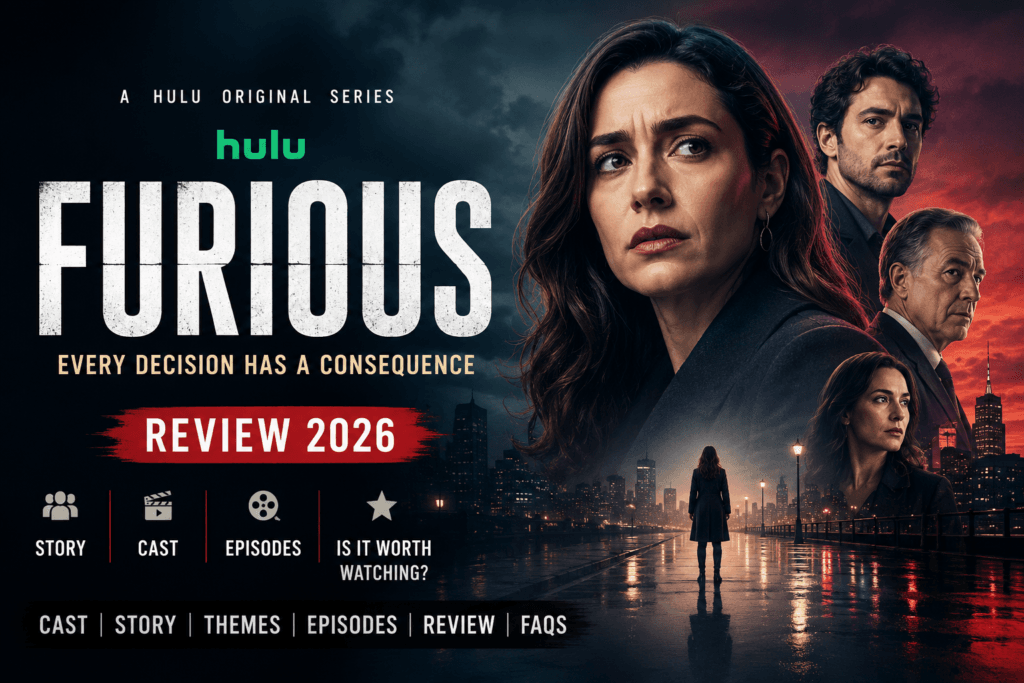
Cinematic editorial artwork inspired by the Hulu drama Furious featuring a dramatic urban setting and emotional atmosphere.

Furious Hulu Review (2026): Cast, Story, Episodes, Ending, and Is It Worth Watching?

Streaming platforms continue to reshape how audiences discover compelling stories, and Hulu has become one of the leading destinations for prestige television. In 2026, one of the platform’s most talked-about releases is Furious, a dramatic series that has quickly attracted attention from critics, entertainment journalists, and viewers alike. With an emotionally charged narrative, layered characters, and a performance-driven cast, the show has sparked widespread discussion across social media and entertainment circles. The growing interest surrounding furious hulu isn’t simply because it’s another original streaming title. Viewers are looking for answers to important questions before investing their time: Is Furious worth watching? What is the series about? Who stars in it? Is it based on a true story? How many episodes are available? What makes it different from other Hulu dramas? This comprehensive guide explores every major aspect of the series—from its premise and creative vision to its performances, themes, audience appeal, and streaming details. Whether you’re deciding if Furious deserves a place on your watchlist or you’re interested in understanding why critics are talking about it, this article covers everything you need to know. Furious Hulu: Overview at a Glance Feature Details Series Title Furious Streaming Platform Hulu Genre Drama Release Year 2026 Language English Audience Mature audiences Episodes Multiple episodes (Season 1) Main Attraction Character-driven storytelling and emotional drama Viewing Style Streaming on demand Furious Hulu: Why Everyone Is Talking About It Unlike many streaming releases that rely primarily on action or spectacle, furious hulu builds its appeal through emotionally complex storytelling. The series explores difficult relationships, personal ambition, hidden motivations, and the consequences of long-buried decisions. Rather than presenting straightforward heroes and villains, the story invites viewers to understand each character’s perspective. This layered approach has made the show especially appealing to audiences who enjoy psychological dramas with meaningful character development. Several factors have contributed to its growing popularity: Strong performances from an accomplished cast High production quality Emotional storytelling Complex family and personal conflicts Thought-provoking dialogue Cinematic direction Social media discussion following its release The combination of these elements has positioned Furious as one of Hulu’s most notable drama releases of the year. Furious Hulu Story: What Is the Series About? One of the reasons viewers have become interested in furious hulu is its emotionally driven narrative. Rather than focusing solely on dramatic events, the series examines how ordinary people respond when their lives are pushed toward extraordinary circumstances. At its core, the story revolves around individuals whose personal ambitions, relationships, and unresolved emotional struggles gradually collide. As hidden truths emerge, every decision carries greater consequences, forcing characters to confront difficult choices that affect both themselves and those around them. Instead of relying on constant twists, Furious creates suspense through emotional tension. Conversations often reveal as much as action scenes, allowing viewers to become deeply invested in each character’s journey. Without revealing major spoilers, audiences can expect a story filled with: Personal conflicts Family dynamics Emotional vulnerability Professional pressures Moral dilemmas Unexpected consequences Psychological tension The result is a drama that rewards attentive viewing and encourages discussion after each episode. Furious Hulu Genre Explained Character-Driven Drama The strongest element of furious hulu is its commitment to character-focused storytelling. Instead of moving rapidly from one dramatic event to another, the series spends time exploring the emotional lives of its characters. Every major decision feels grounded in believable motivations, making the drama feel authentic rather than manufactured. Psychological Elements The series also incorporates psychological tension. Characters often struggle with internal conflicts before facing external challenges. This approach allows viewers to understand why people behave the way they do instead of simply judging their actions. Emotional Storytelling Relationships remain central throughout the narrative. Friendships evolve. Families experience strain. Professional partnerships become complicated. Trust is tested. These emotional layers create a richer viewing experience than conventional drama series. Furious Hulu Cast and Performances A significant reason behind the growing popularity of furious hulu is its talented ensemble cast. The performances emphasize emotional realism over exaggerated reactions, allowing difficult moments to resonate naturally with viewers. Each principal actor contributes to the overall authenticity of the series by portraying characters with strengths, weaknesses, fears, and personal aspirations. Instead of relying on familiar stereotypes, the performances reveal subtle emotional shifts that gradually deepen audience investment. Some notable strengths of the cast include: Natural dialogue delivery Convincing emotional range Strong chemistry between performers Consistent character development Balanced dramatic performances These qualities help transform the series into a character study rather than simply another streaming drama. Furious Hulu Characters Feel Surprisingly Real One of the defining strengths of furious hulu is how realistically its characters are written. Few people are completely good or completely bad. Instead, viewers encounter individuals dealing with: Regret Ambition Jealousy Hope Love Responsibility Fear of failure Because every character experiences personal growth throughout the season, audiences often find themselves changing opinions as the story progresses. This evolution keeps viewers emotionally engaged from episode to episode. Furious Hulu Production Quality Modern audiences expect streaming originals to deliver cinematic visuals, and furious hulu largely meets those expectations. The production emphasizes atmosphere instead of unnecessary spectacle. Several technical aspects contribute to the viewing experience: Cinematography Carefully composed shots help communicate emotional isolation, intimacy, and tension. Lighting choices frequently reinforce the emotional tone of individual scenes. Set Design The environments feel lived-in rather than artificial. Locations support the narrative instead of distracting from it. Costume Design Wardrobe choices subtly reflect character personalities, professional identities, and emotional transitions throughout the story. Editing The pacing remains deliberate without feeling unnecessarily slow. Scenes are allowed enough time to develop emotional weight before moving forward. Furious Hulu Themes That Drive the Story Every memorable drama explores ideas beyond its immediate plot, and furious hulu is no exception. Several recurring themes appear throughout the series. Identity Many characters struggle with who they truly are versus who society expects them to become. Family Relationships between relatives influence nearly every major decision. Past experiences continue shaping present-day conflicts. Ambition Professional success often

Furious Hulu Review (2026): Cast, Story, Episodes, Ending, and Is It Worth Watching? Read More »

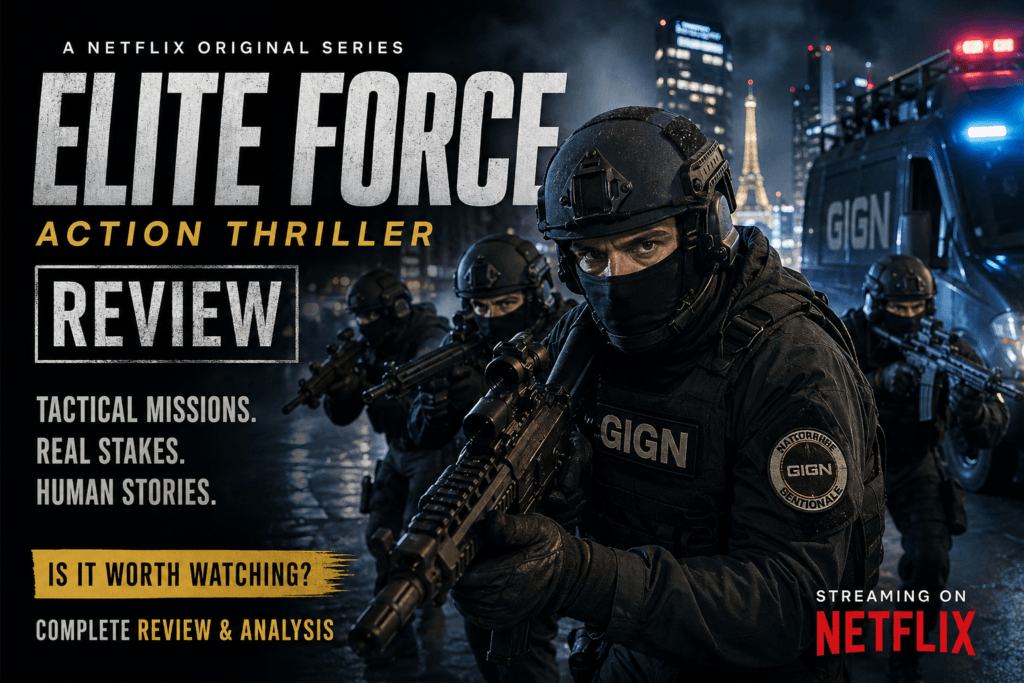
Elite Force action thriller featuring an elite tactical team preparing for a high-risk mission.

Elite Force Action Thriller Review (2026): Is Netflix’s French Tactical Series Worth Watching?

The Elite Force action thriller Elite Force brings a grounded take on the tactical drama genre to Netflix in 2026. Instead of depending entirely on explosions and nonstop gunfights, the series combines high-risk missions with personal conflicts, team dynamics, and difficult choices. The story follows members of France’s elite GIGN tactical unit as they face dangerous operations while dealing with the pressures of life beyond the battlefield. This balance between action and character-driven drama gives Elite Force a more human side than many conventional military thrillers. Originally developed in France under the title G.I.G.N., the series features Tomer Sisley in the lead role, with Julien Leclercq among its creators. Its French setting and GIGN-inspired foundation also give the show a distinct European identity within Netflix’s action lineup. But is this elite force action thriller worth watching? In this review, we’ll look at the story, cast, action, performances, GIGN inspiration, strengths, weaknesses, and overall viewing experience. What Is the Elite Force Action Thriller About? At its core, Elite Force tells the story of experienced tactical officers whose lives change after an attack forces them back into dangerous operations. The central figure is David Caron, a respected leader within France’s elite GIGN unit. After years of serving on difficult missions, he hopes to leave active duty and spend more time with his family. Unfortunately, retirement becomes impossible. A dangerous criminal threat emerges, new recruits enter the organization, and unresolved events from David’s past begin influencing the present. Before long, personal responsibilities collide with professional duty, forcing him to question every decision he makes. Rather than presenting a simple “good versus evil” story, the series focuses on: Loyalty Leadership Sacrifice Trust Responsibility Teamwork under pressure These themes give the narrative more emotional weight than many traditional action series. Why This Elite Force Action Thriller Immediately Stands Out Streaming services already offer countless police dramas. Likewise, military thrillers have become increasingly common over the past decade. So what makes Elite Force different? The answer lies in its approach. Instead of portraying action as endless spectacle, the series places viewers inside a professional tactical environment where every operation depends on planning, communication, and discipline. Several elements help distinguish the show: Feature Why It Matters Tactical operations Missions emphasize planning instead of chaos Team-focused storytelling Success depends on coordination rather than one hero Emotional stakes Family relationships influence major decisions European setting Offers a refreshing alternative to Hollywood action High production quality Cinematic visuals increase realism Character conflict Internal struggles matter as much as external threats Because of this balance, the series appeals not only to action fans but also to viewers who appreciate drama. Understanding the Real GIGN Inspiration One reason the elite force action thriller feels authentic is its inspiration. The fictional team is based around France’s Groupe d’Intervention de la Gendarmerie Nationale (GIGN), one of the world’s best-known tactical intervention units. Although the television series remains fictional, the organization itself has earned international recognition for responding to: Hostage situations Counterterrorism operations High-risk arrests VIP protection Crisis response Naturally, the show’s missions are dramatized for entertainment. Nevertheless, grounding the story in a recognizable tactical framework gives viewers something more believable than generic action movies often provide. The production also drew on official support related to the GIGN, contributing to the realistic feel of equipment, training, and operational procedures. A Story That Begins With Duty Instead of Revenge Many modern action series start with revenge. Others rely on conspiracies from the opening episode. Elite Force chooses a different route. The story begins with professionals doing their jobs. Viewers first meet officers during demanding training exercises and operational planning sessions. These early scenes establish discipline, expectations, and the intense standards required to join an elite tactical unit. Soon afterward, a dangerous mission interrupts normal operations. The resulting events trigger larger conflicts that affect both veteran officers and the next generation of recruits. Because the narrative spends time establishing relationships before increasing the danger, later action sequences carry greater emotional impact. The Human Side of the Elite Force Action Thriller Action alone rarely keeps audiences invested for an entire season. Characters do. That principle shapes much of Elite Force. David Caron isn’t portrayed as an unstoppable action hero. Instead, he is an experienced professional facing several difficult realities at once. He must balance: Leadership responsibilities Personal guilt Family expectations Professional loyalty Protecting younger officers Deciding whether his career should finally end Meanwhile, newer recruits represent ambition, confidence, and the desire to prove themselves. This contrast creates tension that extends beyond firefights. Instead of asking whether the heroes will survive every mission, the series repeatedly asks whether they can continue sacrificing normal lives for extraordinary responsibilities. Action That Prioritizes Tension Over Excess The elite force action thriller doesn’t attempt to overwhelm viewers with constant explosions. Instead, many sequences build suspense gradually. Typical operations include: Tactical Planning Teams evaluate risks before moving. Communication remains essential throughout every mission. Controlled Movement Rather than chaotic shootouts, officers advance methodically while protecting civilians whenever possible. High-Stakes Decision Making Split-second choices often determine whether missions succeed or fail. Emotional Consequences Even successful operations leave psychological effects on those involved. This structure makes each confrontation feel meaningful rather than repetitive. Production Quality Helps Sell the Experience One of the strongest first impressions comes from the production itself. The series embraces a cinematic visual style that includes: Moody lighting Detailed tactical equipment Urban environments Realistic training facilities Fast but understandable editing Strong sound design Instead of making every scene overly stylized, the production focuses on immersion. Consequently, viewers often feel as though they’re accompanying the team during missions rather than simply watching from a distance. A Cast Built Around Experience Leading the series is Tomer Sisley, an actor already familiar to many international audiences through previous action projects. His performance anchors the story by portraying David Caron as calm under pressure while quietly carrying emotional burdens. Supporting actors introduce additional personalities across the tactical unit, creating opportunities for teamwork, mentorship, and internal conflict. Rather

Elite Force Action Thriller Review (2026): Is Netflix’s French Tactical Series Worth Watching? Read More »

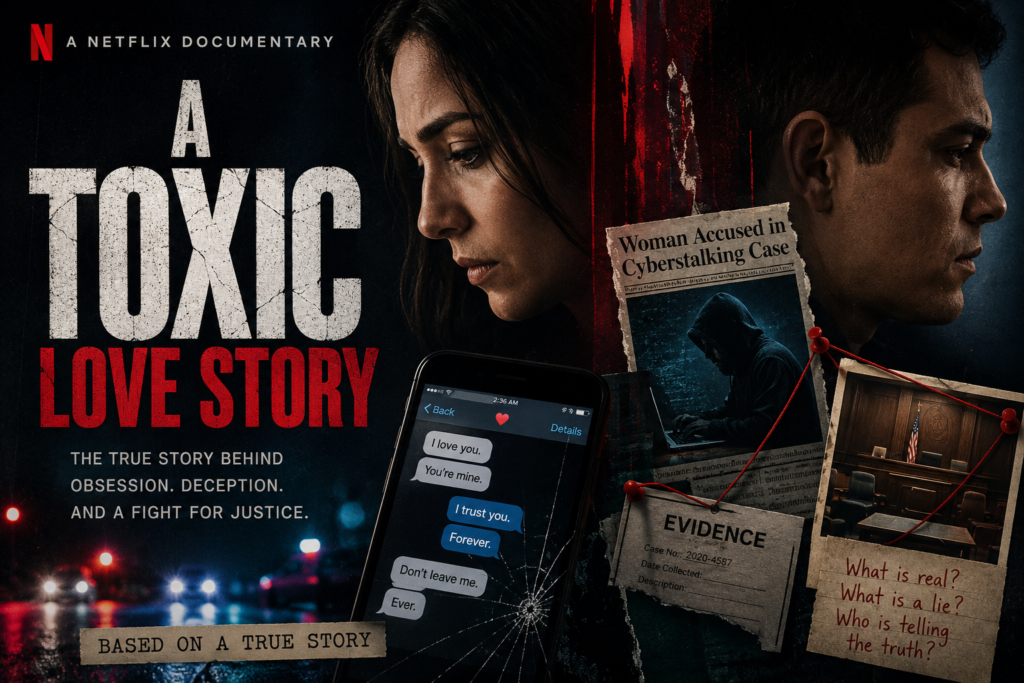
A cinematic editorial illustration showing an investigation board, digital evidence, smartphone, legal documents, and anonymous figures representing the true crime documentary A Toxic Love Story.

A Toxic Love Story (2026): True Story, Real Case, Netflix Documentary Review & Ending Explained

Netflix has built a reputation for releasing true crime documentaries that spark conversations long after the credits roll. From stories about financial fraud to shocking murder investigations, the platform has consistently explored real-life cases that challenge public perception. Now, A Toxic Love Story joins that growing collection with a documentary that asks a simple but unsettling question: What happens when deception becomes more powerful than the truth? Unlike many crime documentaries that focus on a single criminal act, A Toxic Love Story explores a complicated web of relationships, emotional manipulation, digital evidence, public judgment, and failures within the justice system. As the investigation unfolds, viewers are repeatedly forced to reconsider who the real victim is and whether the evidence they initially believed tells the complete story. The documentary doesn’t rely on dramatic action sequences or fictional storytelling. Instead, it presents interviews, investigation records, digital communications, and legal developments that gradually reveal how appearances can be dangerously misleading. For many viewers, the biggest surprise isn’t simply the twists. It’s realizing how quickly public opinion—and even official investigations—can move in the wrong direction when assumptions replace careful analysis. In this comprehensive guide, we’ll explore the real events behind the documentary, explain why the case attracted national attention, examine its major themes, and discuss why A Toxic Love Story has become one of Netflix’s most talked-about true crime releases. What Is A Toxic Love Story? A Toxic Love Story is a Netflix true crime documentary released in July 2026 that revisits a highly unusual criminal case from Southern California. Rather than presenting the story as a traditional crime investigation, the documentary carefully reconstructs the timeline using interviews, court records, law enforcement material, and firsthand accounts. At first glance, the case appears straightforward. A woman is accused of carrying out an extensive campaign of harassment against her former fiancé and his new wife. Investigators receive disturbing emails, online messages, and other digital evidence that seem to point toward one obvious suspect. But as investigators continue examining the evidence, unexpected inconsistencies begin to appear. Those discoveries gradually transform what initially looked like a routine cyberstalking investigation into something much larger—raising difficult questions about manipulation, trust, digital evidence, and the possibility of a wrongful accusation. Why A Toxic Love Story Is Trending Several factors explain why A Toxic Love Story quickly attracted attention after its release. It Isn’t a Typical True Crime Documentary Many documentaries focus primarily on solving a crime. This one focuses on understanding how people reached incorrect conclusions before all the facts became available. Instead of asking: Who committed the crime? it repeatedly asks: Why did everyone believe the original story? How did investigators interpret the evidence? What assumptions influenced the investigation? Could similar mistakes happen again? That approach creates a viewing experience where audiences continuously reevaluate their own judgments. The Story Contains Multiple Unexpected Twists Without revealing every development, the documentary presents information in stages. Each stage changes the audience’s understanding of the events. Rather than depending on dramatic reenactments, the film allows interviews, digital records, and legal evidence to reshape the narrative naturally. Reviewers have highlighted this structure as one of the documentary’s biggest strengths because it mirrors the uncertainty experienced during the real investigation. It Explores Modern Digital Crime Technology plays a central role throughout the story. The case demonstrates how: emails online identities social media activity internet records digital communication can become critical evidence. At the same time, it reminds viewers that digital evidence still requires careful verification and context. The Real Story Behind A Toxic Love Story The documentary is inspired by real events involving three central figures whose lives became intertwined through a deeply complicated legal case. Without discussing every revelation presented in the documentary, the basic situation began after a relationship ended and another one began. As tensions increased, allegations of harassment escalated. Authorities soon became involved. Digital messages appeared to support the accusations. Media coverage amplified public attention. Eventually, criminal charges followed. For many observers, the evidence initially appeared convincing. However, later investigations uncovered significant inconsistencies that dramatically changed the understanding of the case and led to new legal consequences. Why This Story Feels Different Many true crime documentaries revolve around violence. A Toxic Love Story instead explores psychological manipulation. The emotional impact comes from uncertainty. Viewers repeatedly ask themselves: Who is telling the truth? Which evidence is reliable? Who benefits from the accusations? Can digital evidence be manipulated? What happens when investigators make early assumptions? Those questions remain relevant far beyond this single case. A Toxic Love Story Shows How Powerful First Impressions Can Be Human beings naturally form quick opinions. Once people believe someone is guilty, changing that opinion becomes difficult. Psychologists sometimes refer to this as confirmation bias—the tendency to favor information that supports an existing belief while overlooking contradictory evidence. The documentary illustrates how this tendency can affect: investigators media coverage online discussions public opinion even ordinary viewers One of the documentary’s most effective storytelling techniques is encouraging audiences to experience those changing perceptions firsthand. Why the Documentary Resonates With Modern Audiences Although the events originated years ago, the themes feel surprisingly current. Today’s world depends heavily on digital communication. People routinely trust: text messages emails screenshots online conversations social media posts Yet technology has made creating false impressions easier than ever. That broader issue gives A Toxic Love Story relevance beyond its specific case. Rather than focusing only on past events, it encourages viewers to think critically about the digital information they encounter every day. Major Themes in A Toxic Love Story Digital Manipulation One of the strongest themes involves how technology can be used to influence investigations, relationships, and public perception. Digital communication creates permanent records—but those records don’t always tell the complete story. Emotional Control The documentary also examines emotional manipulation. Rather than relying solely on threats or violence, manipulation often develops gradually through: guilt fear dependency dishonesty psychological pressure Understanding these behaviors helps explain why complex relationships are rarely as simple as they appear. Trust and

A Toxic Love Story (2026): True Story, Real Case, Netflix Documentary Review & Ending Explained Read More »

I Will Find You Netflix thriller poster featuring Sam Worthington and the mystery surrounding the series

Why I Will Find You Became Netflix’s Biggest Thriller Hit: Story, Cast, Reviews & Future Explained

Netflix has delivered countless mystery and thriller series, but I Will Find You quickly separated itself from the crowd with its emotionally charged story, gripping mystery, and strong performances. Based on the bestselling novel by Harlan Coben, the eight-episode Netflix thriller follows a father whose world is shattered by a devastating family tragedy before an unexpected discovery forces him to question everything he thought he knew. What makes I Will Find You stand out is the way it combines suspense with deeply personal stakes. The mystery is not simply about uncovering hidden evidence; it is tied to family, loss, justice, trust, and the determination to find the truth. As new clues emerge, the story continually challenges both its characters and the audience to reconsider what they believe. The series has also generated significant attention because of its performances, led by Sam Worthington, Britt Lower, and Milo Ventimiglia. Their performances give the thriller an emotional foundation while the mystery keeps the story moving from one revelation to the next. From its story and characters to its Netflix success, audience response, and potential future, I Will Find You has plenty to discuss. This guide explores what makes the series such a compelling thriller and why it has become one of Netflix’s most talked-about mystery dramas. Why I Will Find You Is Generating So Much Buzz The entertainment industry releases countless television shows every year, yet only a select few manage to dominate conversations across streaming platforms and social media. The rapid success of i will find you is not the result of a single factor. Instead, several strengths work together to create a series that appeals to a broad audience. Among the biggest reasons behind its popularity are: A suspenseful story that unfolds naturally Emotionally compelling characters Strong performances from the cast High production quality Consistent pacing across every episode Themes that resonate with viewers worldwide Because the series combines these elements effectively, it appeals to fans of thrillers, family dramas, and psychological mysteries alike. Quick Overview Before diving deeper into the series, here’s a quick look at its key details. Feature Details Title I Will Find You Genre Mystery, Thriller, Drama Streaming Platform Netflix Based On The novel I Will Find You by Harlan Coben Primary Themes Family, Justice, Hope, Truth, Redemption Best For Fans of emotional mystery thrillers and binge-worthy dramas This overview provides a snapshot of what viewers can expect without revealing major plot details. What Makes This Series Worth Watching? One of the most impressive aspects of i will find you is how it balances emotional storytelling with suspense. Instead of presenting mystery purely as a puzzle to solve, the series focuses on the people affected by each discovery. Throughout the story, viewers witness characters dealing with grief, uncertainty, loyalty, and hope while searching for answers. These emotional layers make every episode feel meaningful rather than simply moving from one twist to another. The series also avoids becoming overly complicated. While the mystery grows more intriguing over time, the storytelling remains clear and accessible. Even viewers who do not regularly watch crime dramas can easily follow the narrative. What Readers Will Learn in This Guide This comprehensive guide explores every major aspect of i will find you, including: The overall story without major spoilers The main cast and creative team Why the series became a global Netflix hit Audience reactions and critical reception The themes that make the story stand out How it compares with other Netflix thrillers The possibility of another season Frequently asked questions for new viewers By the end of this article, you’ll have a complete understanding of why i will find you has become one of the year’s most talked-about streaming releases—and whether it deserves a place on your own watchlist. Story Overview Without Major Spoilers I Will Find You is more than another mystery thriller on Netflix. At its heart, the series tells the story of a parent who refuses to stop searching for the truth. While the show delivers suspense, unexpected twists, and emotional drama, it also explores themes of hope, resilience, and the lengths someone will go to protect the people they love. Unlike many crime dramas that rely heavily on action, this series builds tension through emotional stakes. Every new clue changes the direction of the investigation, encouraging viewers to question what they believe they know. As a result, the story remains unpredictable without becoming difficult to follow. A Story Built Around One Life-Changing Mystery The central plot begins with a devastating event that completely alters the main character’s life. After being convicted of a crime connected to a heartbreaking family tragedy, the protagonist appears to have lost everything. However, an unexpected discovery raises a shocking possibility that the official version of events may not tell the whole story. Instead of accepting defeat, the character decides to uncover the truth regardless of the risks involved. This decision transforms the series into a gripping journey filled with unanswered questions, dangerous choices, and emotional moments that keep viewers invested from episode to episode. Although the mystery drives the narrative, the emotional relationships between the characters remain equally important. Family bonds, trust, betrayal, and redemption influence nearly every major decision throughout the story. Why the Premise Feels So Engaging Many mystery series focus primarily on solving a crime. I Will Find You expands beyond that idea by asking larger questions about justice, loyalty, and second chances. Several elements make the premise especially compelling: A deeply personal mission rather than a routine investigation Constantly evolving mysteries that introduce new possibilities Emotional family relationships that raise the stakes Multiple characters with hidden motivations Suspense that builds naturally instead of relying on excessive action Because every episode reveals new information, viewers remain curious about what will happen next. The series balances emotional storytelling with mystery, making it appealing to a wide audience. A Character-Driven Thriller One of the show’s biggest strengths is its focus on character development. Instead of rushing through plot points, the series

Why I Will Find You Became Netflix’s Biggest Thriller Hit: Story, Cast, Reviews & Future Explained Read More »