Reviews

Read our latest Reviews of movies and performances. Discover honest insights, ratings and opinions on new releases. Explore detailed film coverage from Hollywood and global cinema on CLIMAX Magazine every day.

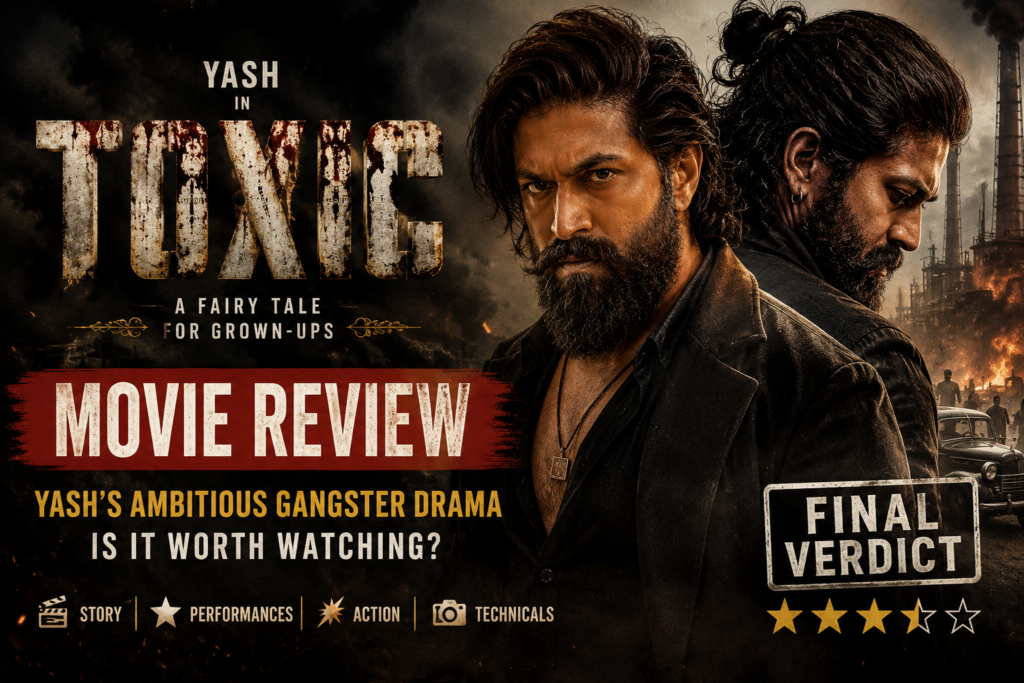
Toxic movie review featuring Yash in the 2026 gangster drama

Toxic Movie Review: Is Yash’s Ambitious Gangster Drama Worth Watching?

Toxic Movie Review: Yash’s return to the big screen comes with enormous expectations. Toxic: A Fairy Tale for Grown-Ups, directed by Geetu Mohandas, aims to be much more than a conventional gangster film. The movie blends crime, family conflict, romance, violence and fantasy-inspired visual design into a stylized world built around Yash’s commanding screen presence. Released in theaters on August 26, 2026, Toxic has already sparked one of the year’s most divided early reactions. This Toxic movie review looks at what works, what does not, and whether the film’s ambition translates into a satisfying theatrical experience. Supporters have praised its scale, action, cinematography and Yash’s performance, while critics and disappointed viewers have raised concerns about the screenplay, pacing, editing and emotional depth. The result is an intriguing contrast: Toxic can look spectacular on screen while still leaving some viewers unconvinced by the story holding everything together. The central question is not whether Toxic looks ambitious—it clearly does. The bigger question is whether that ambition delivers a compelling gangster drama. For viewers coming primarily for Yash, large-scale action and striking visuals, the film offers plenty to enjoy. However, audiences expecting a tightly written and emotionally consistent crime story may find the experience considerably more uneven. The debate surrounding Toxic also reflects how audiences increasingly judge major theatrical releases through story, performances, pacing and overall execution rather than spectacle alone. That makes comparisons with other big-screen releases particularly interesting, especially when a film is expected to satisfy both dedicated fans and general movie audiences. Toxic Movie Review: A Quick Verdict Toxic is an ambitious, visually driven gangster drama that places Yash at the center of an unusually stylized world. The actor plays two roles, Raya and his estranged son Ticket, giving the film a built-in contrast between its older gangster figure and the younger character connected to him. The story combines the criminal underworld with family relationships, romance and personal conflict rather than following a straightforward rise-and-fall gangster formula. Its strongest weapon remains Yash. His screen presence gives the larger-than-life sequences the weight audiences expect from the star behind KGF. The action and production design also provide genuine theatrical scale. Even viewers who disliked the screenplay have frequently singled out Yash’s presence and the film’s visual presentation as positives. The biggest weakness is the storytelling. Early reactions repeatedly point to an overloaded screenplay, uneven pacing and difficulty following the film’s many characters and ideas. The lengthy runtime makes those problems more noticeable when individual sequences fail to maintain momentum. So, is Toxic worth watching? For fans of Yash and theatrical action, there is a strong case for seeing it on the big screen. For viewers who place story clarity and emotional depth above spectacle, expectations should be more measured. What Is Toxic About? Toxic builds its story around a dangerous criminal world and the complicated relationship between Raya and Ticket. Yash’s dual role is central to the film’s structure, with the two characters representing different sides of the narrative and its family conflict. The film does not remain limited to gangster politics, though. Family, loyalty, romance, desire and personal history become increasingly important as the story develops. That combination explains why the film can feel difficult to categorize. It has the machinery of a gangster movie, but it also wants to function as a family drama and an emotionally charged character study. At the same time, Mohandas gives the production a highly stylized visual identity that pushes it away from realism. The result is a film that asks viewers to accept a heightened version of its world. Characters can behave in extreme ways, violence can become theatrical, and the presentation often takes priority over everyday realism. That approach may appeal to viewers looking for something visually distinctive, but it can also make the story harder to connect with when the emotional motivations are not equally clear. Importantly, Toxic does not appear interested in giving audiences a simple hero-versus-villain narrative. Its central conflict is tied to identity, family and power. That makes the film more ambitious than a conventional action vehicle, even if the execution does not always make those ambitions easy to follow. Raya, Power and the World of the Film Raya sits at the heart of Toxic and represents the film’s fascination with power. Yash approaches the character with the kind of confidence that immediately establishes authority, making Raya feel larger than the people surrounding him. The gangster environment around him is equally important. Rather than using crime merely as background, the film builds an elaborate world of rivalries, relationships and shifting loyalties. The setting gives the story room to explore how violence affects family and personal identity. This is also where Geetu Mohandas’ visual approach becomes apparent. The film does not present its criminal world as a plain, documentary-style environment. Instead, it uses heightened production design and a deliberately stylized atmosphere to create a fairy-tale quality for adults. That choice gives Toxic an identity of its own, but it also creates a challenge. The more extravagant the world becomes, the more important the screenplay must be in explaining its emotional rules. When the writing keeps pace, the unusual setting can feel immersive. When it does not, the spectacle risks becoming disconnected from the characters. The Story’s Family and Revenge Thread Beneath the gangster machinery, Toxic depends heavily on family relationships. The conflict between Raya and Ticket gives the film an emotional foundation that distinguishes it from a purely action-focused story. Their relationship creates questions of legacy, loyalty and personal history that extend beyond the criminal world. This family dimension also gives Yash’s dual performance a practical purpose. The two characters are not simply an excuse for the actor to appear twice. Their contrasting identities help shape the film’s central dramatic tension. However, the film’s emotional impact depends on how effectively viewers connect those relationships with the larger story. Some early reactions have praised the emotional elements, while others have argued that the spectacle and violence overwhelm the drama. That

Toxic Movie Review: Is Yash’s Ambitious Gangster Drama Worth Watching? Read More »
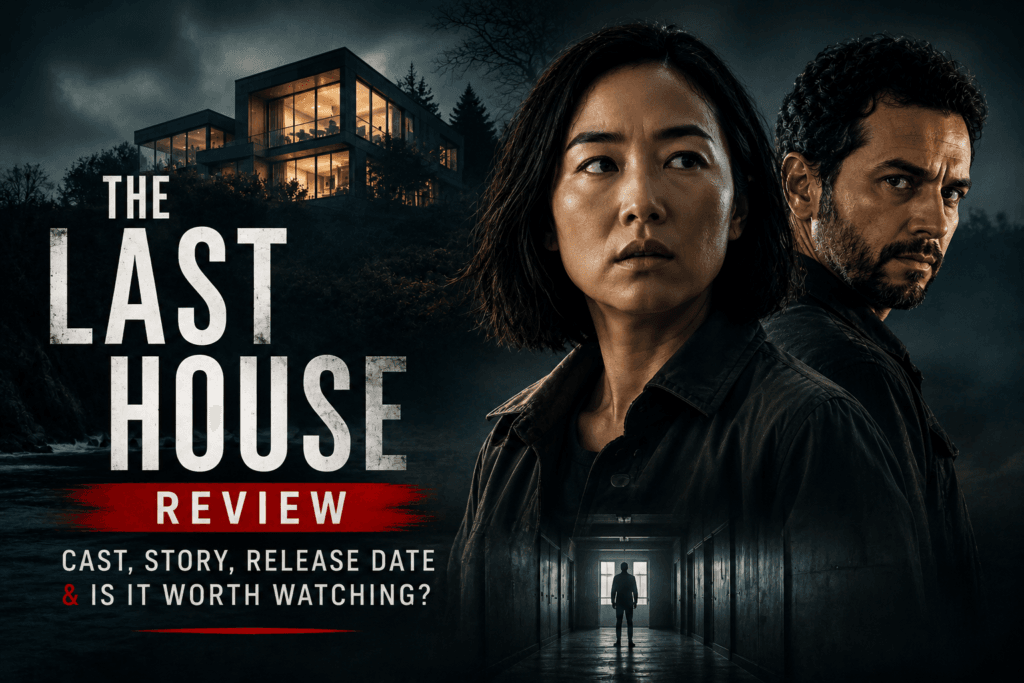
Featured image for The Last House review showing a mysterious modern house and the film's lead characters.

The Last House Review: Cast, Story, Release Date & Is It Worth Watching?

Netflix continues to expand its lineup of original thrillers, and The Last House is one of the latest films aiming to capture viewers with a tense, mystery-driven survival story. Directed by Louis Leterrier and featuring performances from Greta Lee and Wagner Moura, the movie combines psychological suspense, science fiction, and family drama into a single high-stakes narrative. Rather than relying on constant action, it builds intrigue through isolation, uncertainty, and the emotional strain of survival. At the same time, audiences are also following Kit Connor’s upcoming movie projects, showing continued interest in the next generation of highly anticipated films. What makes The Last House especially intriguing is its central premise. A family’s home, once their safest place, suddenly becomes an inescapable prison, forcing them to confront impossible choices while searching for answers about the mysterious force surrounding them. As resources dwindle and tensions rise, every decision carries greater consequences, turning ordinary moments into gripping suspense. This guide explores everything you need to know about The Last House, including its story, cast, release details, themes, performances, and whether it deserves a place on your Netflix watchlist. If you’re looking for a spoiler-free overview before pressing play, you’ll find all the essential information here. You can also explore our latest Hollywood celebrity stories for more trending entertainment updates and exclusive coverage. A New Kind of Survival Story Arrives on Netflix Netflix has built a reputation for releasing high-concept thrillers that hook viewers with a simple but unsettling question. The Last House follows that tradition by taking one of humanity’s most familiar places—a family home—and transforming it into an inescapable prison. At first glance, the premise sounds straightforward. A family wakes up to discover they cannot leave their house. Doors refuse to open. Windows offer no escape. Communication with the outside world disappears. Supplies begin to run low. Worse still, an unknown force outside turns every attempt to escape into a dangerous gamble. Instead of asking how someone survives in the wilderness, The Last House explores how people survive when their entire world shrinks to four walls. That idea alone has generated significant interest among thriller fans. It combines elements of psychological suspense, science fiction, supernatural mystery, and survival drama while placing family relationships at the center of the story. Rather than relying only on jump scares, the film appears more interested in building tension through uncertainty. Every day inside the house becomes another challenge as food, trust, patience, and hope slowly disappear. For viewers who enjoy movies that raise questions before providing answers, The Last House arrives with an intriguing setup that feels both mysterious and emotionally grounded. What Is The Last House About? The central premise of The Last House is refreshingly simple but full of possibilities. Without warning, a normal family discovers that leaving their home has become impossible. No explanation arrives. Authorities cannot be contacted. Neighbors seem just as trapped. Every attempt to escape fails, while an unknown danger appears to exist beyond the walls of the house. As the days pass, everyday concerns become life-or-death problems. The family must answer questions such as: How long will the food last? Can electricity and water be trusted? Is anyone still alive outside? Is the danger physical, supernatural, or something else entirely? Should they stay together or risk everything trying to escape? Instead of immediately revealing the mystery, the story allows uncertainty to become part of the suspense. That slow buildup separates The Last House from many action-heavy thrillers. Rather than racing from one explosion to another, it focuses on how ordinary people react when the rules of everyday life suddenly disappear. The Last House Release Date Netflix released The Last House on August 7, 2026, making it one of the platform’s major original thriller releases of the summer. The movie runs for approximately 1 hour and 50 minutes and carries a PG-13 rating. Basic information includes: Detail Information Title The Last House Release Date August 7, 2026 Platform Netflix Genre Sci-Fi, Thriller, Horror, Mystery Runtime 1 hour 50 minutes Rating PG-13 Director Louis Leterrier Writer Matthew Robinson These details suggest Netflix positioned the movie as a mainstream thriller that appeals to a broad audience rather than hardcore horror fans alone. The Last House Cast One reason The Last House attracted attention before release is its talented cast. Greta Lee Greta Lee plays one of the family’s central figures. Over recent years, she has become known for emotionally layered performances that balance vulnerability with resilience. In a story built around survival and family relationships, that experience becomes particularly valuable. Wagner Moura Wagner Moura portrays the family’s father, Jason. International audiences recognize Moura from acclaimed dramatic roles, and his ability to portray determination under pressure makes him a natural fit for a survival thriller. Supporting Cast The movie also features: Riley Chung Emma Ho Noah Alexander Sosnowski Gabriel Barbosa Together, the cast represents a believable family unit forced into extraordinary circumstances rather than larger-than-life action heroes. Who Made The Last House? Director: Louis Leterrier The Last House is directed by Louis Leterrier, a filmmaker known for balancing large-scale spectacle with fast-paced storytelling. Instead of creating a traditional haunted-house movie, Leterrier approaches the project as a survival thriller where suspense grows from isolation rather than constant action. The confined setting also presents an interesting filmmaking challenge. Keeping audiences engaged inside a single location requires careful pacing, strong performances, and creative cinematography. Writer: Matthew Robinson The screenplay comes from Matthew Robinson, whose previous work includes both adventure and fantasy projects. For The Last House, Robinson shifts toward psychological suspense while using a simple premise to explore larger questions about family, fear, and survival. Why The Last House Immediately Grabs Attention Many survival stories begin with a disaster. Some feature zombies. Others involve monsters. Some focus on natural disasters. The Last House chooses a different approach. Instead of forcing characters into an unfamiliar environment, it traps them inside the place where they should feel safest. That reversal creates immediate tension. Home normally represents comfort. Here,

The Last House Review: Cast, Story, Release Date & Is It Worth Watching? Read More »

Spider-Man Brand New Day movie review featuring a spider-themed superhero swinging across New York City at sunset.

Spider-Man Brand New Day Review (2026): Story, Cast, Ending Explained & Verdict

Spider-Man Brand New Day marks an exciting new chapter for Peter Parker and the Marvel Cinematic Universe. After the emotional ending of Spider-Man: No Way Home, Spider-Man Brand New Day explores how Peter rebuilds his life while protecting New York City as its friendly neighborhood hero. Unlike previous MCU Spider-Man films, Spider-Man: Brand New Day focuses less on crossover heroes and more on Peter’s personal journey. Instead, the story explores themes of independence, responsibility, resilience, and hope. Consequently, audiences experience a version of Spider-Man that feels more mature, grounded, and emotionally compelling. Whether you have followed Spider-Man for decades or recently joined the Marvel fandom, this film offers a fresh perspective on one of the world’s most beloved superheroes. Moreover, it blends spectacular action, heartfelt drama, memorable performances, and meaningful ## Spiderman Brand New Day Character Development into a story that celebrates everything fans love about Spider-Man. Throughout this guide, you’ll discover everything about Spider-Man: Brand New Day, including its story, cast, characters, themes, visual style, critical reception, comic inspirations, hidden details, and its place within the Marvel Cinematic Universe. Spider-Man: Brand New Day at a Glance Feature Details Movie Title Spider-Man: Brand New Day Genre Superhero, Action, Adventure, Drama Based On Marvel Comics’ Spider-Man Main Character Peter Parker / Spider-Man Production Studios Marvel Studios and Sony Pictures Setting New York City Primary Themes Responsibility, Identity, Hope, Growth, Sacrifice Timeline Takes place after Spider-Man: No Way Home Target Audience Marvel fans, Spider-Man enthusiasts, and general moviegoers Spider-Man Brand New Day Begins a New Era The ending of Spider-Man: No Way Home completely transformed Peter Parker’s life. After Doctor Strange cast a powerful spell, everyone forgot Peter Parker’s identity. Consequently, Peter lost the relationships that had shaped his journey, including his friendships and personal connections. Instead of trying to reverse those events, Spider-Man Brand New Day embraces the consequences. Peter accepts that his previous life is gone, yet he refuses to stop helping others. As a result, the movie feels like a genuine fresh start rather than a direct continuation of earlier stories. This new beginning raises several fascinating questions: Who is Peter Parker when no one remembers him? Can Spider-Man continue protecting New York without emotional support? What does responsibility look like when nobody knows your sacrifices? How does a young hero rebuild an entirely new life? Ultimately, these questions shape the emotional core of the entire film. Why Spider-Man Brand New Day Feels Different Every Spider-Man movie has its own identity. However, Spider-Man Brand New Day stands apart because it shifts the focus back to Peter Parker himself. Earlier MCU Spider-Man films featured important appearances from established Marvel heroes. By contrast, this chapter allows Peter to carry the story independently. Therefore, audiences spend more time exploring his personal struggles, emotional recovery, and everyday responsibilities. Rather than emphasizing multiverse chaos or universe-ending threats, the film highlights: Personal responsibility Emotional healing Everyday heroism Community service Building trust Finding hope after loss Because of this, the story feels intimate while still delivering exciting superhero action. Spider-Man Brand New Day Introduces a More Mature Peter Parker Peter Parker has always balanced two identities—an ordinary young adult and Spider-Man. This time, however, that balance becomes even more difficult. Without close friends or family remembering him, Peter must solve nearly every problem alone. Consequently, he grows into a more independent and confident version of Spider-Man. His biggest challenges include: Living Alone Peter must manage daily life without emotional support from the people he once trusted. Financial Responsibilities Like the classic comic-book version of Spider-Man, Peter struggles with work, rent, and everyday expenses while continuing his responsibilities as a superhero. Emotional Isolation Perhaps Peter’s greatest battle is not against villains but against loneliness. Unwavering Responsibility Even after losing almost everything, Peter refuses to abandon his mission of protecting innocent people. As a result, audiences see one of the most emotionally layered portrayals of Spider-Man ever presented on screen. The Story Setting in Spider-Man Brand New Day New York City once again becomes the heart of Spider-Man’s adventure. However, the city now feels very different from Peter’s perspective. Every familiar street reminds him of the life he lost. At the same time, every neighborhood also represents a chance to create something new. Rather than serving as a simple backdrop, New York actively reflects Peter’s emotional journey through locations such as: Quiet apartment buildings Crowded sidewalks Rooftop skylines Subway stations Local cafés Community neighborhoods Busy intersections Consequently, the city becomes almost like another character in the story. Main Cast of Spider-Man Brand New Day The movie combines returning fan favorites with several exciting new additions. Actor Character Tom Holland Peter Parker / Spider-Man Zendaya MJ Jacob Batalon Ned Leeds Sadie Sink New Character Liza Colón-Zayas Supporting Character Jon Bernthal Frank Castle / The Punisher Together, these actors help create a story that balances emotional drama with thrilling superhero action. Tom Holland Returns as Peter Parker Tom Holland once again delivers a compelling performance as Peter Parker. This time, however, audiences meet a very different version of the character. Instead of relying on mentors, Peter makes difficult decisions independently. Moreover, he carries the emotional scars of previous events while continuing to protect others. Holland successfully balances two important sides of Spider-Man: Optimism Emotional vulnerability Because of this, Peter feels both inspiring and deeply human throughout the film. Zendaya’s Role in Spider-Man Brand New Day Zendaya returns as MJ, although her relationship with Peter has changed dramatically. Because of the memory-altering events from the previous film, every interaction between them carries emotional weight. Rather than relying on nostalgia, the movie explores: Missed opportunities Emotional distance Quiet hope Unspoken feelings New possibilities Consequently, these moments become some of the film’s most touching scenes. New Characters Expand Spider-Man’s World Every successful Spider-Man era introduces memorable new faces. Likewise, Spider-Man Brand New Day expands Peter’s world through fresh characters who influence both his personal life and his superhero journey. These newcomers contribute to: Personal growth Workplace experiences Academic challenges Community relationships Emotional

Spider-Man Brand New Day Review (2026): Story, Cast, Ending Explained & Verdict Read More »

Editorial-style featured image for the 72 Hours review featuring a businessman caught in a chaotic Miami bachelor-party adventure inspired by Netflix's comedy film.

72 Hours Review: Kevin Hart’s Netflix Comedy Is a Fun, Fast-Paced Ride

Netflix continues to invest heavily in original comedies, and 72 Hours is one of its biggest comedy releases of the year. Led by Kevin Hart and directed by Tim Story, the film mixes workplace comedy, friendship, generational humor, and over-the-top bachelor-party chaos into one fast-moving weekend adventure. The premise is simple: one accidental group chat invitation changes everything, sending a middle-aged advertising executive into a world completely outside his comfort zone. The result is exactly what many viewers expect from a Kevin Hart comedy—rapid-fire jokes, outrageous situations, physical comedy, and nonstop energy. However, the movie also attempts something slightly different by exploring how social media, workplace pressure, and the gap between Millennials and Gen Z shape modern friendships. Whether those ideas come together successfully depends on what you’re looking for. If you want a thoughtful comedy with emotional depth, your experience may differ from someone searching for an easy Friday-night watch filled with ridiculous situations. This review takes a closer look at 72 Hours, examining its story, performances, humor, strengths, weaknesses, and overall entertainment value—without major spoilers. What Is 72 Hours About? At its core, 72 Hours tells the story of Joe, a successful advertising executive who suddenly realizes that his career is no longer moving in the direction he expected. Younger coworkers bring fresh ideas, workplace culture has evolved, and Joe struggles to prove that he still belongs. Then something completely unexpected happens. Joe is mistakenly added to a bachelor party group chat organized by a group of strangers in their twenties. Instead of ignoring the invitation, he sees an opportunity to reinvent himself, reconnect with younger audiences, and maybe even save his professional future. That decision launches him into one unforgettable weekend in Miami. From that point onward, the movie becomes a fast-paced comedy built around misunderstandings, outrageous parties, awkward friendships, and increasingly ridiculous situations. 72 Hours Movie Overview Category Details Title 72 Hours Genre Comedy Director Tim Story Lead Actor Kevin Hart Streaming Platform Netflix Runtime Approximately 1 hour 45 minutes Rating R Setting Miami Main Theme Friendship, career, generational differences, comedy Why 72 Hours Stands Out On paper, the story sounds familiar. Hollywood has produced countless films where an older character unexpectedly joins a younger group and discovers a new perspective on life. However, 72 Hours updates that concept for today’s audience by including: Group chats Viral culture Social media personalities Modern workplace competition Gen Z humor Digital communication misunderstandings Instead of relying solely on traditional comedy setups, the movie tries to reflect how everyday technology now shapes relationships and careers. The accidental group chat isn’t just a funny mistake—it becomes the entire engine driving the plot forward. 72 Hours Explores a Modern Workplace Reality One of the film’s more interesting ideas appears before the wild bachelor party even begins. Joe isn’t simply chasing fun. He’s worried about becoming irrelevant. Today’s corporate world changes rapidly. New marketing trends appear almost overnight. Younger employees often understand internet culture better than experienced executives. The movie uses this workplace anxiety as the reason Joe makes increasingly questionable decisions. Although the story exaggerates these situations for laughs, many professionals may recognize the underlying fear: Falling behind Losing relevance Being replaced by younger talent Trying too hard to fit into changing workplace culture That makes Joe more relatable than he first appears. The Comedy Style in 72 Hours Comedy is naturally subjective. Some viewers laugh at clever dialogue. Others enjoy awkward situations. Still others prefer physical comedy. 72 Hours combines all three. Throughout the movie you’ll find: Physical Comedy Kevin Hart has built much of his career around expressive reactions, exaggerated body language, and frantic energy. That remains one of the movie’s biggest strengths. Many scenes rely less on dialogue and more on Hart’s facial expressions and timing. Situational Comedy Rather than creating jokes from punchlines alone, many laughs come from increasingly impossible situations. Joe constantly finds himself trying to explain events that become harder to believe with every passing hour. The audience usually knows more than the characters themselves, creating plenty of awkward humor. Generational Humor Perhaps the film’s biggest comedic theme involves age differences. Joe often misunderstands: Internet slang Social media behavior Party culture Dating expectations Modern communication styles Meanwhile, the younger characters struggle to understand Joe’s more traditional mindset. Instead of treating either generation as completely right or wrong, the comedy usually comes from watching both sides misread each other. Kevin Hart’s Performance in 72 Hours Kevin Hart has played many energetic characters throughout his career. In 72 Hours, he largely stays within that familiar style. Fans who enjoy Hart’s signature delivery will probably feel comfortable almost immediately. His performance depends on: Fast dialogue High energy Loud reactions Self-deprecating humor Constant movement Rather than reinventing his comedy style, Hart leans into the qualities audiences already associate with him. That choice has advantages. The movie never lacks energy. Even slower scenes move quickly because Hart keeps conversations lively. However, some viewers hoping to see a dramatically different performance may feel that the character resembles several previous Kevin Hart roles. Critics have been divided on whether this familiarity works in the movie’s favor, though many reviews acknowledge that Hart remains committed to the role’s physical comedy. The Supporting Cast Brings Fresh Energy Although Kevin Hart receives most of the attention, the supporting cast plays an important role in keeping the movie entertaining. Several younger performers help create the feeling of genuine friendship rather than simply acting as background characters. The chemistry between the bachelor-party group often feels natural. Instead of treating Joe like an outsider throughout the entire movie, relationships gradually evolve as everyone spends more time together. That changing dynamic gives the comedy room to develop beyond simple age-related jokes. Critics have frequently highlighted the younger ensemble as one of the film’s stronger elements, noting that their interactions help keep the story moving even when individual jokes don’t land. Miami Becomes an Important Character The setting contributes significantly to the movie’s atmosphere. Miami offers: Bright beaches Luxury hotels

72 Hours Review: Kevin Hart’s Netflix Comedy Is a Fun, Fast-Paced Ride Read More »

Jana Nayagan review featuring Vijay

Jana Nayagan Review: Vijay’s Final Film, Rating, Story & Is It Worth Watching?

Jana Nayagan review: Vijay’s much-awaited final film is a large-scale political action drama that combines mass entertainment, emotional family moments, social themes, and a farewell built around one of Tamil cinema’s biggest stars. Directed by H. Vinoth, the film puts Vijay at the center of a story about leadership, responsibility, justice, and the relationship between power and ordinary people. But does Jana Nayagan actually deliver the memorable farewell that Vijay’s fans were expecting? The answer is more complicated than a simple yes or no. The film has plenty of strengths, particularly Vijay’s screen presence, emotional moments, action sequences, production values, and Anirudh Ravichander’s background score. At the same time, its lengthy runtime, familiar story beats, and uneven pacing prevent it from becoming a completely flawless commercial entertainer. In this Jana Nayagan movie review, we look at the story, Vijay’s performance, supporting cast, direction, action, music, cinematography, pacing, strengths and weaknesses, audience response, and overall rating. Most importantly, we’ll answer the question many viewers are asking: Is Jana Nayagan worth watching in theaters, and does Vijay get the farewell he deserves? Jana Nayagan Review: Movie at a Glance Details Information Movie Jana Nayagan Genre Political Action Drama Language Tamil Director H. Vinoth Lead Actor Vijay Lead Actress Pooja Hegde Main Antagonist Bobby Deol Music Anirudh Ravichander Runtime Around 3 hours 3 minutes Release Date July 23, 2026 Jana Nayagan Review: What Is the Movie About? Without revealing major spoilers, Jana Nayagan follows a protagonist who finds himself standing between justice and powerful forces that threaten ordinary citizens. His journey becomes much larger than a personal conflict as difficult choices force him to confront corruption, loyalty, sacrifice, and leadership. The story mixes several familiar commercial cinema ingredients: High-energy action Emotional family moments Inspirational speeches Political themes Character-driven conflicts Hero-versus-villain confrontations Instead of rushing through these elements, the film gradually builds emotional stakes before moving into bigger action sequences. One of the movie’s strengths is its attempt to combine mass entertainment with emotional storytelling. While viewers expecting nonstop action will certainly find plenty of spectacle, those interested in character relationships also receive meaningful moments throughout the narrative. Why This Film Generated So Much Buzz Several factors helped make Jana Nayagan one of the year’s most anticipated releases. Vijay’s Final Film The biggest reason is obvious. The movie marks Vijay’s widely publicized farewell from acting, making every scene feel more significant for longtime fans. Many audiences approached the film with an emotional connection before the opening credits even began. Massive Expectations Whenever one of Indian cinema’s biggest stars releases a film, expectations naturally rise. In this case, those expectations became even higher because audiences wanted a memorable send-off rather than just another commercial blockbuster. Strong Technical Team The collaboration between H. Vinoth and composer Anirudh Ravichander also attracted attention. Their involvement raised hopes for both impactful storytelling and an energetic soundtrack. Huge Advance Bookings The film enjoyed impressive advance bookings and extensive theatrical interest before release, highlighting the excitement surrounding Vijay’s farewell project. Jana Nayagan Review: First Half Analysis The opening portion focuses on introducing the central conflict while establishing the hero’s personality. Instead of immediately jumping into nonstop action, the screenplay spends time building relationships and setting up the emotional stakes. This slower approach may surprise viewers expecting constant action, yet it gives later scenes greater impact. Several early sequences successfully showcase: Hero introduction Supporting characters Family dynamics Social issues The emerging central conflict The pacing remains steady for most of the first half. Meanwhile, the screenplay gradually increases tension before reaching an impactful interval sequence. That structure keeps audiences curious about how the story will develop after intermission. Jana Nayagan Review: Vijay’s Screen Presence Remains the Biggest Strength Regardless of differing opinions about the screenplay, one aspect receives consistent praise—Vijay’s commanding screen presence. His confidence, dialogue delivery, action choreography, and emotional scenes continue to demonstrate why he has remained one of Tamil cinema’s biggest stars for decades. Instead of simply repeating familiar mannerisms, he brings maturity to several emotional moments. His performance becomes particularly effective during scenes that emphasize responsibility rather than heroism. Fans looking for classic Vijay moments will likely find: Stylish entrances Memorable action blocks Inspirational speeches Emotional interactions Signature dance sequences Crowd-pleasing whistle moments Many early audience reactions have highlighted his charisma and emotional farewell moments as major positives, even when opinions differ about other aspects of the film. Jana Nayagan Review: Cast Overview The supporting cast contributes to the movie’s overall scale. Actor Role Contribution Vijay Emotional and action-driven lead performance Pooja Hegde Adds warmth and lighter moments Bobby Deol Powerful antagonist with strong screen presence Mamitha Baiju Important emotional support Prakash Raj Experienced dramatic performance Gautham Vasudev Menon Adds depth to the supporting cast Rather than functioning as background characters, several supporting roles influence the story’s emotional direction. This helps the film feel larger than a simple hero-versus-villain narrative. Jana Nayagan Review: Early Audience Response Initial reactions have been varied but passionate. Many viewers praised: Vijay’s farewell performance Emotional climax Large-scale action Anirudh’s background score The theatrical atmosphere At the same time, some critics felt the screenplay attempted to balance too many ideas, leading to mixed opinions about pacing and narrative focus. That combination has created lively discussions among both fans and reviewers. Jana Nayagan Review: Story Analysis Without Major Spoilers The story of Jana Nayagan aims to deliver more than a traditional action film. At its heart, the movie explores what happens when an individual with influence chooses responsibility over personal comfort. Instead of focusing only on physical battles, the narrative also examines moral choices, public trust, and the price of standing up for what is right. The screenplay introduces multiple conflicts early, then gradually connects them as the story progresses. While some commercial films rely on constant action to maintain momentum, Jana Nayagan alternates between emotional scenes, political developments, family relationships, and large-scale action sequences. This approach gives the audience time to understand the motivations behind the characters’ decisions. Another positive aspect is that

Jana Nayagan Review: Vijay’s Final Film, Rating, Story & Is It Worth Watching? Read More »

The Odyssey Movie Christopher Nolan Review A Stunning Modern Epic

The Odyssey Movie Christopher Nolan Review: A Stunning Modern Epic

Few filmmakers can transform a centuries-old story into a cinematic event that feels both timeless and modern. The odyssey movie christopher nolan does exactly that by bringing Homer’s legendary epic to the big screen with remarkable ambition, emotional depth, and breathtaking visuals. While the original poem has inspired generations of writers, artists, and filmmakers, this adaptation offers a fresh perspective that speaks to today’s audiences without losing the heart of the classic tale. Moreover, the odyssey movie christopher nolan is much more than a historical adventure. It explores universal themes such as courage, loyalty, sacrifice, identity, and the longing to return home after years of hardship. As a result, the film delivers an experience that feels emotionally engaging as well as visually spectacular. Unlike many modern blockbusters that focus only on action, this adaptation places equal importance on character development and storytelling. Consequently, every major event shapes the emotional journey of its central hero instead of existing solely for visual excitement. At the same time, the film never loses its epic scale, making it both intimate and grand. Whether you’re a longtime admirer of Greek mythology or simply interested in Christopher Nolan’s latest work, the odyssey movie christopher nolan offers an unforgettable cinematic experience. Throughout this review, we’ll examine its story, themes, filmmaking, performances, visual style, and overall impact while explaining why it has become one of the most talked-about releases of the year. Why The Odyssey Remains Relevant Today Although Homer wrote The Odyssey thousands of years ago, its message continues to resonate with modern audiences. After all, human emotions have changed far less than technology. People still experience love, loss, hope, fear, ambition, and the desire to overcome difficult challenges. Because of these timeless themes, every new generation discovers something meaningful within the story. The odyssey movie christopher nolan successfully captures that enduring appeal while presenting it through contemporary filmmaking techniques. At its core, The Odyssey is not simply about mythical creatures or dangerous voyages. Instead, it is a deeply personal story about resilience, responsibility, and the emotional cost of war. Furthermore, it reminds viewers that the greatest battles often happen within ourselves rather than on the battlefield. Some of the story’s most enduring themes include: Leadership during uncertainty The importance of family Personal sacrifice Courage under pressure Loyalty and trust Wisdom over physical strength Hope during adversity The search for identity The meaning of home Because these ideas remain universally relatable, the odyssey movie christopher nolan feels surprisingly relevant despite its ancient origins. What Is The Odyssey Movie Christopher Nolan About? At first glance, the odyssey movie christopher nolan follows the legendary journey of Odysseus after the Trojan War. However, the story quickly becomes much more than a simple voyage home. Instead, it evolves into a profound exploration of endurance, leadership, and personal transformation. Following the war, Odysseus expects to reunite with his family. Unfortunately, his journey becomes a long series of dangerous adventures that test both his physical strength and emotional resilience. Along the way, he encounters powerful enemies, unpredictable seas, mysterious lands, and seemingly impossible challenges. Nevertheless, the greatest obstacles are often internal rather than external. Throughout the story, Odysseus struggles with questions about duty, responsibility, hope, and identity. Consequently, every decision shapes not only his future but also the lives of those who depend on him. Rather than relying only on action sequences, the odyssey movie christopher nolan emphasizes emotional storytelling. Therefore, viewers become invested in the hero’s personal journey instead of simply watching another fantasy adventure. Why Christopher Nolan Was the Right Director Choosing Christopher Nolan to adapt Homer’s epic was an ambitious decision. Nevertheless, his filmmaking style makes him uniquely suited for material of this scale. Over the years, Nolan has consistently demonstrated his ability to combine large-scale spectacle with deeply emotional storytelling. Therefore, the odyssey movie christopher nolan benefits from a director who understands how to balance visual ambition with meaningful character development. Epic Storytelling on a Grand Scale Christopher Nolan has built his reputation by creating films that feel enormous without losing their emotional core. Similarly, The Odyssey demands both spectacle and intimacy. Instead of presenting one action sequence after another, the odyssey movie christopher nolan allows every major event to contribute to the protagonist’s emotional growth. Consequently, viewers experience each challenge as an important step in Odysseus’ transformation. Moreover, the film maintains a strong sense of momentum while giving important emotional moments enough time to resonate. Practical Filmmaking Creates Greater Immersion Another defining characteristic of Nolan’s work is his preference for practical filmmaking whenever possible. Rather than depending entirely on computer-generated imagery, he frequently combines: Practical locations Large-scale sets Real stunts Natural lighting Physical effects Large-format cinematography As a result, the odyssey movie christopher nolan feels grounded even when it explores legendary myths and extraordinary adventures. Furthermore, practical filmmaking helps audiences remain emotionally connected because the environments appear authentic rather than artificial. Emotional Storytelling Matters Although Nolan is widely recognized for technical innovation, his strongest films also explore deeply personal emotions. For example, his stories often examine: Love Loss Responsibility Redemption Hope Sacrifice Identity Human resilience Likewise, the odyssey movie christopher nolan builds its emotional foundation around these universal experiences, making the journey feel relatable despite its mythological setting. The Literary Legacy Behind the Film Before discussing the movie itself, it’s important to appreciate the extraordinary legacy of Homer’s original work. For centuries, The Odyssey has influenced literature, theater, film, television, and popular culture. In fact, many storytelling techniques that audiences recognize today can trace their origins back to this ancient epic. For instance, the concept of the “hero’s journey” has shaped countless novels, films, and television series across multiple genres. Because of this remarkable influence, adapting the story carries enormous expectations. Fortunately, the odyssey movie christopher nolan approaches the material with respect while also introducing a fresh cinematic vision. The lasting influence of The Odyssey can be seen in several areas: Literary Element Lasting Influence Hero’s Journey Adventure stories worldwide Character Growth Modern dramatic storytelling Mythological Creatures

The Odyssey Movie Christopher Nolan Review: A Stunning Modern Epic Read More »

The Odyssey Review: Christopher Nolan Delivers an Epic Worth the Journey

The Odyssey Review: Christopher Nolan Delivers an Epic Worth the Journey

Ancient stories have a unique ability to transcend generations, speaking to audiences across cultures and centuries. Among them, The Odyssey stands as one of the greatest adventure tales ever written, influencing literature, film, television, and modern storytelling in countless ways. Adapting such a legendary work for today’s audiences is an enormous creative challenge, requiring a careful balance between honoring its origins and delivering a fresh cinematic experience. The Odyssey Review begins with one simple observation: Christopher Nolan doesn’t merely recreate Homer’s epic—he reimagines it through the lens of modern filmmaking while preserving the emotional heart that has made the story timeless. Rather than relying solely on spectacle, the film emphasizes character, resilience, sacrifice, and the universal desire to find one’s way home. From its opening moments, the movie establishes an atmosphere that feels both grand and deeply personal. Massive landscapes, dangerous seas, and legendary encounters create the scale expected from an epic, yet the narrative never loses sight of the people experiencing these extraordinary events. That balance between visual ambition and emotional storytelling becomes one of the film’s defining strengths. This The Odyssey Review explores the film’s storytelling, direction, performances, technical achievements, themes, and overall impact while remaining spoiler-free for readers planning to experience the journey themselves. Christopher Nolan Reimagines a Timeless Epic Adapting a literary masterpiece that has inspired generations is never easy. Expectations are high, comparisons are unavoidable, and every creative decision invites scrutiny. Christopher Nolan approaches this challenge with confidence, crafting a film that respects its classical roots while embracing the possibilities of modern cinema. Unlike many mythological adaptations that focus primarily on action and fantasy, this version places equal emphasis on emotional realism. The legendary journey becomes more than an adventure across distant lands—it evolves into a deeply personal exploration of identity, responsibility, and perseverance. One of the strongest points highlighted throughout The Odyssey Review is how naturally the film connects ancient themes with contemporary audiences. Although the setting belongs to another era, the emotions driving the characters remain familiar and relatable. The Journey Matters More Than the Destination Many adventure films focus almost entirely on reaching a final goal. The Odyssey takes a different approach by treating every stage of the journey as equally meaningful. Each destination introduces new challenges. Each encounter reveals another layer of the protagonist’s character. Each obstacle changes the people involved. Rather than feeling like separate adventures connected only by geography, every chapter contributes to one larger emotional narrative. This structure keeps the audience invested not simply in where Odysseus is going but in who he becomes along the way. Mythology Is Grounded in Human Emotion Although mythical creatures, powerful gods, and extraordinary events play important roles, they never overshadow the human story. Fear, hope, determination, regret, love, and resilience remain at the center of every major decision. Instead of treating mythology as an excuse for endless spectacle, the film uses these legendary elements to deepen the emotional stakes. As The Odyssey Review demonstrates, the mythical world becomes a reflection of the internal struggles faced by its characters. More Than a Survival Story At its core, the narrative is about transformation. Every hardship teaches a lesson. Every sacrifice carries emotional weight. Every victory demands a personal cost. The story asks timeless questions that remain relevant today: What defines true leadership? Can people ever return unchanged after years of struggle? Is home a destination or a feeling? What gives someone the strength to continue when hope begins to fade? These questions elevate the film beyond a traditional action-adventure epic. Storytelling That Balances Epic Scale With Emotional Depth Large-scale blockbusters often struggle to maintain emotional intimacy. Spectacular visuals can easily overshadow meaningful character development. Fortunately, that isn’t the case here. One reason The Odyssey Review remains so positive about the film is its commitment to balancing spectacle with sincere human drama. The screenplay consistently reminds audiences that emotional investment matters more than visual excess. Every Decision Shapes the Story Characters rarely face simple choices. Leadership requires sacrifice. Trust must be earned. Pride often leads to consequences. Compassion can become both a strength and a weakness. These moral dilemmas create genuine tension because there are no easy answers. Every important decision influences not only the immediate situation but also the emotional journey of the characters. Time Becomes an Invisible Character One of the film’s most effective storytelling devices is its treatment of time. Years pass naturally. Relationships evolve. Families change. Kingdoms continue without those who left. Instead of presenting time merely as a backdrop, the narrative uses it to highlight the emotional cost of prolonged absence. The Odyssey Review recognizes this as one of the film’s most mature and emotionally resonant qualities. Home Represents More Than a Place Throughout the story, home symbolizes far more than a physical location. It represents belonging. It represents memory. It represents hope. The longer the journey continues, the more uncertain the meaning of home becomes. This emotional uncertainty adds depth to nearly every major scene and encourages viewers to reflect on the importance of family, identity, and personal growth. Christopher Nolan’s Direction Reflects Remarkable Confidence Christopher Nolan has built a reputation for creating ambitious films that challenge audiences while delivering unforgettable cinematic experiences. With The Odyssey, he applies that same philosophy to one of history’s most celebrated literary works. Rather than modernizing the story through unnecessary changes, he allows its timeless themes to remain the driving force behind the narrative. The Odyssey Review praises this restrained approach because it demonstrates confidence in the strength of the original story while still offering a distinctly cinematic interpretation. Spectacle Always Supports the Narrative The film contains breathtaking moments of action and visual grandeur, but those sequences never exist purely for excitement. Every storm carries emotional significance. Every battle changes the characters. Every confrontation moves the story forward. This careful balance prevents the spectacle from overshadowing the narrative. Practical Filmmaking Creates Authenticity One of Nolan’s defining strengths has always been his preference for realism whenever possible. Ancient ships feel functional. Coastal

The Odyssey Review: Christopher Nolan Delivers an Epic Worth the Journey Read More »