
Portrait-style artwork inspired by French electronic musician Kavinsky with neon synthwave atmosphere

Kavinsky Dies at 50: Remembering the French Electronic Music Pioneer Behind “Nightcall”

The world of electronic music has lost one of its most distinctive creative voices. French producer and DJ Kavinsky, whose cinematic synth-driven sound inspired artists, filmmakers, gamers, and music lovers around the globe, has died at the age of 50. News of his passing quickly spread across the music industry, prompting tributes from fellow musicians, fans, and cultural figures who celebrated a career that reshaped modern electronic music. Authorities in Paris confirmed that an investigation into the circumstances of his death is underway, while officials reported no immediate signs of suspicious activity. Although millions of listeners recognize Kavinsky because of the unforgettable song “Nightcall,” his influence extends far beyond one hit record. Over nearly two decades, he created an unmistakable musical identity by blending vintage synthesizers, cinematic storytelling, retro aesthetics, and modern electronic production. His work helped define the global synthwave revival and introduced countless listeners to a nostalgic yet futuristic style of music. For many fans, Kavinsky represented more than an artist. He embodied an entire visual universe inspired by neon-lit highways, 1980s action films, classic sports cars, arcade games, and late-night city drives. His music rarely sounded rushed. Instead, every track felt like the soundtrack to an imaginary movie where mystery, romance, and danger existed together. As the music community reflects on his remarkable career, this article explores who Kavinsky was, why his work mattered, how he became an international icon, and the lasting legacy he leaves behind. Kavinsky Dies at 50: What We Know So Far French electronic musician Kavinsky, born Vincent Belorgey, was found dead at his home in Paris on July 28, 2026. He was 50 years old. According to officials from the Paris prosecutor’s office, authorities have opened an investigation into the circumstances surrounding his death. Early findings indicate that investigators found no evidence suggesting suspicious circumstances, although the official cause of death had not been announced at the time of reporting. The announcement came as a shock because Kavinsky had remained active in music. Many fans still remembered his widely praised performance during the closing ceremony of the Paris 2024 Olympic Games, where he performed “Nightcall” before a worldwide audience. That appearance introduced his music to a new generation while reminding longtime listeners why his signature sound remained timeless. Soon after news of his death emerged, social media filled with heartfelt tributes. Fans shared memories of discovering his music through films, playlists, concerts, racing games, and late-night drives. Many described “Nightcall” as one of the defining songs of the modern electronic era. French leaders also honored his contribution to the country’s cultural landscape, recognizing his influence on music both within France and internationally. Who Was Kavinsky? Before becoming internationally known as Kavinsky, Vincent Belorgey lived a life that seemed far removed from global music success. Born in France in 1976, Belorgey originally pursued acting rather than music. His interest in cinema played a major role in shaping his artistic vision later in life. Instead of treating music as separate from storytelling, he combined both mediums to create immersive audio experiences. Unlike many electronic producers who focused primarily on dance clubs, Kavinsky imagined every song as part of a larger fictional universe. His records felt like scenes from an unseen movie. That cinematic approach eventually became his trademark. Instead of chasing mainstream trends, he developed a unique artistic identity built around: Retro-futuristic visuals Analog synthesizer sounds 1980s-inspired production Neon aesthetics Dark storytelling Minimal yet memorable melodies These elements helped distinguish Kavinsky from countless other electronic artists entering the scene during the mid-2000s. The Story Behind the Name Kavinsky One of the most fascinating aspects of Kavinsky was the fictional character he created. Rather than performing simply as Vincent Belorgey, he invented an alter ego inspired by classic horror films, science fiction, and action movies from the 1980s. Within this fictional universe: A young man crashes his Ferrari. He dies in the accident. He mysteriously returns with supernatural abilities. He spends eternity driving through neon-lit highways while creating electronic music. Although audiences understood that the story was fictional, it gave every album and performance a distinctive personality. Instead of simply releasing songs, Kavinsky invited listeners into an ongoing cinematic narrative. That creative decision helped separate him from artists whose branding relied only on logos or costumes. Kavinsky’s Early Life and Creative Influences Growing up in France, Vincent Belorgey developed interests that stretched far beyond music. He admired: American action films Horror movies Japanese animation Video games Vintage sports cars Electronic soundtracks 1980s pop culture Rather than hiding those influences, he embraced them completely. His work often paid tribute to: Analog synthesizers VHS-era visuals Retro arcade games Classic crime thrillers Neon cityscapes Midnight highways These inspirations later became essential pieces of the Kavinsky identity. Interestingly, many listeners who had never experienced the 1980s still connected with his music because it transformed nostalgia into something modern rather than simply recreating the past. How Kavinsky Entered the Electronic Music Scene The early 2000s proved to be an exciting period for French electronic music. Artists from France had already begun attracting worldwide attention, while international audiences became increasingly interested in electronic production that blended innovation with melody. Instead of following conventional dance music formulas, Kavinsky explored slower tempos, cinematic arrangements, and emotionally charged synthesizer compositions. His earliest releases quickly attracted attention inside electronic music circles because they sounded different. Rather than filling tracks with constant energy, he carefully balanced: Musical Element Kavinsky’s Approach Rhythm Steady and cinematic Melody Simple but memorable Synths Vintage analog textures Atmosphere Dark and mysterious Storytelling Film-inspired Production Detailed and immersive That combination became one of his greatest strengths. Why Kavinsky’s Sound Felt Different Electronic music includes many subgenres. However, Kavinsky built a sound that crossed several musical worlds without belonging entirely to any single one. Listeners often noticed: Heavy Cinematic Influence Many tracks sounded less like dance records and more like movie scenes. Instead of relying on constant vocal performances, instrumental sections carried emotional weight through layered synthesizers and carefully structured arrangements. Retro

Kavinsky Dies at 50: Remembering the French Electronic Music Pioneer Behind “Nightcall” Read More »
Glen Hansard, the Oscar-winning Irish singer-songwriter and star of Once, remembered following his death at age 56.

Glen Hansard Dies at 56: Remembering the Oscar-Winning Irish Music Legend

The music world has lost one of its most heartfelt storytellers. Glen Hansard, the acclaimed Irish singer-songwriter, actor, and Academy Award winner whose work inspired millions across generations, has died at the age of 56 following a motorcycle accident in Dublin. The news has prompted an outpouring of tributes from fellow musicians, filmmakers, fans, and cultural leaders around the world, all remembering an artist whose songs spoke honestly about love, hope, heartbreak, and resilience. Although many listeners first discovered glen hansard through the award-winning film Once and its unforgettable song “Falling Slowly,” his creative journey stretched far beyond one defining moment. For more than three decades, he built a remarkable career as a performer, songwriter, activist, and mentor, earning admiration not because he chased fame, but because he remained deeply committed to authentic music. His performances never relied on elaborate production or spectacle. Instead, they invited audiences into deeply personal stories, proving that honest songwriting could connect with people regardless of language or culture. As fans revisit his music and reflect on his influence, many are asking an important question: Who was Glen Hansard beyond the Oscar, the film, and the global recognition? The answer reveals a remarkable life devoted to artistic integrity. Glen Hansard Dies at 56 The announcement of glen hansard’s passing has deeply saddened the international music community. According to reports, Hansard died after a motorcycle crash near Dublin during the early hours of July 29, 2026. His family later confirmed the heartbreaking news while requesting privacy during this difficult time. Tributes quickly appeared from artists, political leaders, longtime collaborators, and fans across Ireland and around the world. For many people, his death represents more than the loss of an accomplished musician. It marks the passing of an artist who consistently placed emotional honesty ahead of commercial success. Social media quickly filled with memories from fans describing how his music helped them through personal struggles, inspired creative careers, or became the soundtrack to meaningful moments in their lives. Community discussions across music and film forums similarly reflected appreciation for both his artistry and generosity toward audiences. His passing also reminds many listeners of how timeless music can continue touching lives long after it is created. Quick Facts About Glen Hansard Category Details Full Name Glen James Hansard Born April 21, 1970 Birthplace Ballymun, Dublin, Ireland Nationality Irish Profession Singer-songwriter, musician, actor Famous For Once, “Falling Slowly,” The Frames Academy Award Best Original Song (“Falling Slowly”) Musical Groups The Frames, The Swell Season Years Active More than three decades Died July 29, 2026 (Age 56) Who Was Glen Hansard? Before becoming an internationally recognized musician, glen hansard was simply a young Dublin artist determined to make music on his own terms. Unlike many performers who began with major record labels or television competitions, Hansard developed his skills through live performances, local venues, and years of busking on Dublin’s streets. Those early experiences shaped not only his vocal style but also his philosophy toward songwriting. He believed that music should tell honest stories. That belief stayed with him throughout his career. Whether performing before thousands at international festivals or singing for a small audience gathered on a city sidewalk, Hansard approached every performance with the same sincerity. His songs often explored: Love Loss Personal growth Hope Identity Human connection Everyday struggles Rather than writing complicated lyrics filled with abstract symbolism, he preferred simple language carrying deep emotional meaning. This style became one of the defining characteristics of glen hansard’s songwriting. Glen Hansard’s Early Life Growing Up in Dublin Born in Ballymun, Dublin, glen hansard grew up in a working-class neighborhood that would later influence much of his artistic identity. Music surrounded him from an early age. Traditional Irish folk songs mixed with rock, blues, and contemporary singer-songwriters helped shape his musical taste. Instead of following a conventional academic path, Hansard devoted increasing amounts of time to performing music. Street performances became an important part of his education. Busking wasn’t simply a way to earn money. It became a classroom. Performing outdoors taught him valuable lessons about: Capturing attention quickly Connecting emotionally with strangers Improvising performances Building confidence Developing stage presence Refining songwriting Those experiences later helped distinguish him from many studio-focused musicians. Learning Through Live Performance Unlike artists whose careers begin inside recording studios, glen hansard built his reputation face-to-face with audiences. Every performance offered immediate feedback. If a song resonated, listeners stopped. If it didn’t, they kept walking. This direct relationship with audiences encouraged Hansard to write music that felt genuine rather than fashionable. Many fans would later say that his concerts retained the intimacy of those early street performances, regardless of venue size. The Birth of The Frames One of the biggest turning points in glen hansard’s career came with the formation of The Frames in 1990. The band gradually became one of Ireland’s most respected alternative rock groups. Although mainstream international fame initially proved elusive, The Frames developed an intensely loyal following through relentless touring, memorable live performances, and emotionally powerful songwriting. Rather than chasing commercial trends, the band focused on musical authenticity. That decision helped establish a unique identity. Throughout the 1990s and early 2000s, The Frames released several critically praised albums that expanded Hansard’s reputation as both a songwriter and performer. Their work blended rock, folk, and orchestral influences while maintaining deeply personal lyrics. The band’s concerts became particularly well known for their emotional intensity. Fans frequently described performances as communal experiences rather than traditional rock shows. Why The Frames Mattered For many Irish music fans, The Frames represented something different. They proved that independent artists could build lasting careers without sacrificing creativity. The band’s influence extended beyond commercial success by inspiring a generation of musicians to prioritize artistic integrity. Key qualities that defined The Frames included: Emotional songwriting Dynamic live performances Strong instrumental arrangements Honest storytelling Loyal fan community Although later projects introduced glen hansard to a worldwide audience, many longtime listeners still consider The Frames to be the foundation of his

Glen Hansard Dies at 56: Remembering the Oscar-Winning Irish Music Legend Read More »

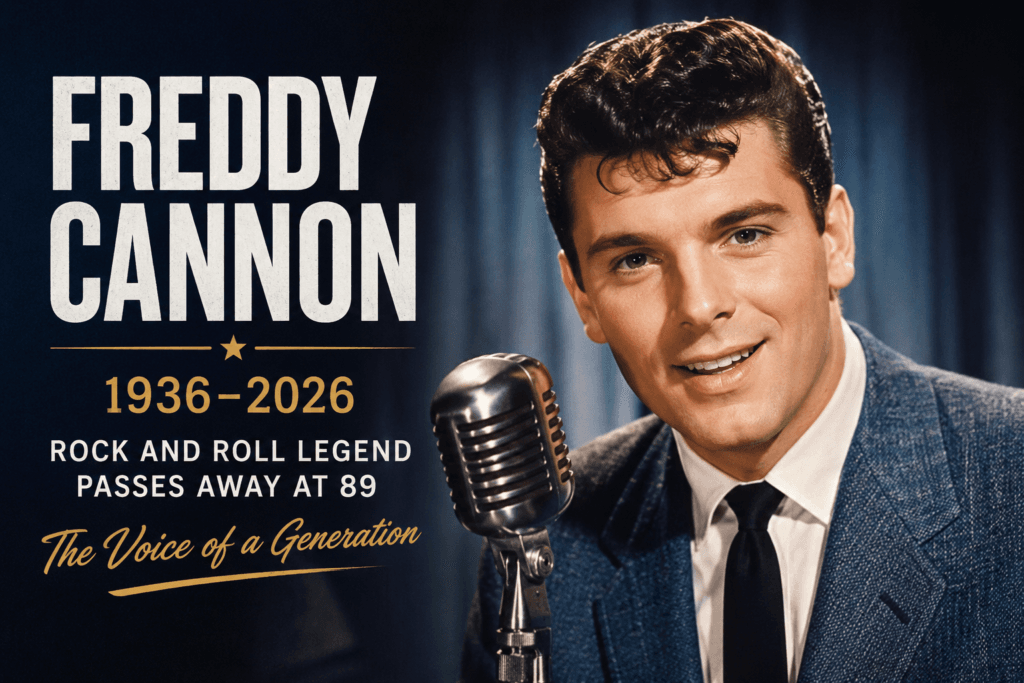
Featured image of rock and roll legend Freddy Cannon following news of his death at age 89.

Freddy Cannon Death: Rock and Roll Legend Dies at 89

The Freddy Cannon death has prompted an outpouring of tributes from music lovers, fellow performers, broadcasters, and historians across the United States. Best remembered for energetic hits like Palisades Park, Tallahassee Lassie, and Way Down Yonder in New Orleans, Cannon helped shape the sound of early rock and roll during the late 1950s and early 1960s. His music captured the excitement of a new generation and remained a favorite on oldies radio for decades. Freddy Cannon died on July 17, 2026, at the age of 89 after battling cancer while receiving hospice care in Oxnard, California. His passing marked the end of a remarkable career that spanned more than six decades and influenced generations of performers. Although Cannon achieved his greatest commercial success during rock and roll’s golden era, he never stopped performing, recording, or connecting with fans. Even in his later years, he remained passionate about music and continued to celebrate the genre that made him a household name. This article explores the news surrounding Freddy Cannon’s passing, his remarkable journey through American music history, and why his influence continues long after his final performance. Freddy Cannon Death: What Happened? News of the Freddy Cannon death was confirmed by longtime friend and radio producer Tom Cuddy, who announced that the legendary performer passed away on July 17, 2026. Cannon reportedly died peacefully at a hospice facility in Oxnard, California, following a battle with cancer. According to those close to him, Cannon had recently experienced declining health that required hospitalization. He had planned to participate in a radio interview only days before his passing but was unable to appear because of his medical condition. His death quickly spread across the entertainment industry, with musicians, broadcasters, and fans remembering him as one of rock and roll’s most energetic performers. Quick Facts About Freddy Cannon Detail Information Full Name Frederick Anthony Picariello Jr. Stage Name Freddy “Boom Boom” Cannon Born December 4, 1936 Died July 17, 2026 Age 89 Birthplace Lynn, Massachusetts Place of Death Oxnard, California Profession Singer, Songwriter Best Known Songs Palisades Park, Tallahassee Lassie, Way Down Yonder in New Orleans Freddy Cannon Death Leaves Rock and Roll Fans Mourning For many Americans, Freddy Cannon represented the joyful side of early rock music. His songs were filled with driving rhythms, memorable choruses, and an unmistakable energy that encouraged audiences to dance. Unlike many performers of his generation who gradually stepped away from the spotlight, Cannon remained closely connected to his fans through concerts, interviews, nostalgia festivals, and special appearances. As news of his death spread, thousands of fans shared personal memories online. Many recalled discovering his music through parents or grandparents, while others remembered seeing him perform live decades after his chart-topping years. His ability to entertain audiences across multiple generations became one of the defining characteristics of his career. Freddy Cannon Death Marks the End of a Rock and Roll Era The passing of Freddy Cannon is significant not only because of his successful career but also because it symbolizes the continuing loss of artists who helped establish rock and roll as a dominant force in American culture. During the late 1950s, popular music was undergoing dramatic change. Young audiences were embracing louder guitars, faster rhythms, and performers who projected excitement instead of traditional pop sophistication. Cannon fit perfectly into that movement. His powerful voice, energetic stage presence, and upbeat recordings earned him the nickname “Boom Boom,” a reference to the explosive sound that became his trademark. His recordings celebrated youthful optimism, amusement parks, dancing, and adventure—subjects that resonated strongly with teenagers of the era. Why Freddy Cannon Remained Relevant for Decades Many artists enjoy a brief period of commercial success before fading from public attention. Freddy Cannon followed a different path. Several factors helped him remain relevant: Continued touring throughout his career Frequent appearances at rock-and-roll revival concerts Strong relationship with radio personalities Loyal fan community Songs that became staples of oldies playlists Television appearances introducing his music to younger audiences Because of these efforts, Cannon’s music remained familiar even to listeners born decades after his biggest hits. Freddy Cannon Death Sparks Tributes Across the Music Community Shortly after the announcement of Cannon’s passing, musicians, broadcasters, and entertainment personalities shared messages celebrating his life and accomplishments. Many praised his infectious enthusiasm both on and off stage. Friends described him as someone who genuinely loved performing and appreciated the fans who supported him throughout his long career. Others highlighted his willingness to mentor younger musicians and participate in charity events, interviews, and community celebrations. Several broadcasters also remembered Cannon’s close relationship with radio throughout his career, noting that he always embraced opportunities to reconnect with audiences. These tributes painted a consistent picture of a performer whose kindness matched the excitement of his music. A Career Defined by Energy Rather Than Trends One reason Freddy Cannon enjoyed such longevity was his refusal to chase changing musical trends. Instead of constantly reinventing himself, he remained committed to the high-energy rock-and-roll style that made him famous. That consistency earned him respect from fans who appreciated authenticity. While popular music evolved through psychedelic rock, disco, punk, new wave, grunge, hip-hop, and streaming-era pop, Cannon continued celebrating the classic sound that first launched his career. For longtime listeners, attending one of his concerts meant experiencing the same excitement they remembered decades earlier. Freddy Cannon’s Lasting Connection With Fans Many performers become distant from audiences after achieving fame. Freddy Cannon built a different reputation. Fans frequently described him as approachable, humorous, and appreciative during autograph sessions, interviews, and live appearances. Even in later years, he often shared stories from rock and roll’s early days while expressing gratitude for the support he received throughout his career. That personal connection helped preserve his popularity long after his chart success had ended. Why the Freddy Cannon Death Matters Today The Freddy Cannon death is more than the loss of a successful singer. It serves as a reminder of an era when American popular music was rapidly evolving

Freddy Cannon Death: Rock and Roll Legend Dies at 89 Read More »

Editorial tribute illustration honoring Lou Koller, legendary Sick of It All vocalist and pioneer of New York hardcore.

Lou Koller Dies at 59: Remembering the Sick of It All Frontman and His Lasting Hardcore Legacy

The hardcore music community has lost one of its most recognizable voices. Lou Koller, the longtime frontman of New York hardcore pioneers Sick of It All, has died at the age of 59 after a lengthy battle with cancer. His passing marks the end of a remarkable career that stretched nearly four decades and influenced generations of musicians, fans, and underground music scenes across the world. While countless artists have left their mark on punk and hardcore, few earned the respect that Lou Koller did. He wasn’t known for flashy celebrity moments or commercial success. Instead, he built his reputation through relentless touring, authentic performances, and an unwavering commitment to the hardcore community. For longtime fans, Lou Koller represented more than a vocalist. He embodied honesty, resilience, and the do-it-yourself spirit that has always been central to hardcore music. Even during his health battle, supporters from around the world rallied behind him, demonstrating just how deeply his work had touched people’s lives. This article explores Lou Koller’s life, career, influence, personal journey, and the legacy he leaves behind. Who Was Lou Koller? Lou Koller was an American singer best known as the lead vocalist and co-founder of Sick of It All, one of the most influential hardcore punk bands to emerge from New York City. Unlike many musicians who chased mainstream fame, Koller focused on building something lasting within the underground music community. Throughout nearly forty years, he remained committed to the same values that shaped the band’s earliest days: Authenticity Community Passion for live music Loyalty to fans Musical integrity These qualities helped transform Sick of It All from a local New York act into one of hardcore’s most respected international bands. Many younger musicians credit Lou Koller as someone who proved that success doesn’t always require commercial popularity. Instead, consistency, hard work, and honesty can create an even stronger legacy. Lou Koller and the Rise of New York Hardcore To understand Lou Koller’s importance, it helps to understand the movement that shaped his career. During the late 1970s and early 1980s, New York became home to an aggressive new branch of punk music that emphasized: Fast tempos Heavy guitar riffs Social awareness Personal responsibility Community unity High-energy performances Unlike mainstream rock, hardcore was deeply connected to local venues and independent record labels. Fans didn’t simply attend concerts. They became part of a community. That environment helped create bands that would later become legendary within underground music. By the mid-1980s, Lou Koller and his bandmates entered this growing scene with a sound that blended aggression, melody, and meaningful lyrics. Their timing could not have been better. Hardcore was evolving, and Sick of It All quickly became one of its defining voices. Early Life of Lou Koller Lou Koller was born and raised in Queens, New York, where he grew up alongside his brothers in a working-class neighborhood. His upbringing reflected the diverse culture of New York City, exposing him to different communities, personalities, and musical influences from an early age. Like many teenagers during the early 1980s, music became more than entertainment. It became an identity. The punk scene offered something different from traditional rock music. It encouraged individuality rather than perfection. Instead of expensive equipment and polished performances, the scene rewarded energy and sincerity. These values resonated deeply with Lou. Friends often described him as approachable, humorous, and intensely dedicated once he committed himself to something. Those same qualities would later become central to Sick of It All’s identity. How Sick of It All Was Formed In 1986, Lou joined forces with his younger brother Pete Koller, drummer Armand Majidi, and later bassist Craig Setari to create Sick of It All. The band’s name reflected frustration with everyday problems and social issues rather than promoting negativity. From the beginning, their goals were simple: Write honest music Play energetic live shows Stay connected to fans Build a community instead of chasing trends Their earliest performances took place in small clubs throughout New York. These venues rarely attracted mainstream attention. However, they became essential meeting places for hardcore fans. Word spread quickly. People appreciated the band’s authenticity. Within only a few years, Sick of It All had become one of New York’s most respected hardcore acts. Why Lou Koller Became Such a Respected Frontman Many singers are remembered because of vocal range. Lou Koller became famous for something different. His performances felt genuine. Whether performing for one hundred people or several thousand, he delivered the same intensity. Fans frequently described his concerts as experiences rather than performances. Several characteristics separated him from many other vocalists. Powerful Stage Presence Lou rarely stood still. He constantly interacted with audiences, encouraged crowd participation, and maintained remarkable energy throughout each performance. Even people unfamiliar with Sick of It All often remembered his stage presence long after a concert ended. Authentic Personality Hardcore fans value authenticity. Lou never attempted to create a larger-than-life public persona. Interviews consistently showed the same straightforward personality fans witnessed on stage. That honesty helped create decades of trust between the band and its audience. Consistency Music trends changed dramatically between the 1980s and the 2020s. Many bands altered their sound to pursue commercial success. Sick of It All largely remained true to their roots. Lou Koller became a symbol of that consistency. Lou Koller Helped Expand Hardcore Worldwide Although New York remained the band’s home, Sick of It All gradually developed an international audience. Over the years they toured across: Region Impact North America Built a loyal hardcore following Europe Became festival favorites South America Inspired local hardcore scenes Australia Expanded underground fanbase Asia Introduced many new listeners to NYHC Rather than relying on radio success, the band grew through relentless touring. Every performance introduced new listeners. Every tour strengthened the community. This grassroots approach became one of the defining characteristics of Lou Koller’s career. Lou Koller Never Lost Touch With Fans One reason fans admired Lou Koller was his accessibility. Despite decades of success, he remained approachable. Concert

Lou Koller Dies at 59: Remembering the Sick of It All Frontman and His Lasting Hardcore Legacy Read More »

Vintage editorial portrait representing Vernon Taylor rockabilly artist with a classic microphone and guitar, symbolizing his contribution to American rockabilly music.

Vernon Taylor Rockabilly Artist: Life, Music Career, Legacy, and Lasting Influence

The story of American rockabilly music includes many performers whose influence reached far beyond commercial success. While a handful of artists became household names, countless musicians helped define the sound that introduced a new era of popular music. Among those respected figures was the Vernon Taylor rockabilly artist, a singer whose energetic performances and authentic style earned admiration from fans of classic country and early rock ‘n’ roll. Rockabilly emerged during the 1950s as a unique blend of country music, rhythm and blues, and rock ‘n’ roll. The genre reflected a generation eager for fresh sounds and bold performances. Independent record labels, local radio stations, and dance halls gave talented musicians opportunities to reach audiences who were searching for something different. Vernon Taylor became part of this exciting musical movement, contributing recordings that still resonate with collectors and enthusiasts today. Although Taylor never achieved the widespread commercial fame of some of his contemporaries, his work gained lasting recognition within the rockabilly community. His songs captured the raw energy and honest musicianship that defined the genre during its formative years. Over time, music historians and dedicated fans came to appreciate his role in preserving the spirit of early American roots music. Interest in classic rockabilly has grown in recent years. Streaming platforms, vinyl reissues, and music documentaries have introduced a new generation to artists whose work helped shape the genre. Following Taylor’s passing at the age of 88, many listeners revisited his recordings and reflected on his contributions to America’s musical heritage. This article explores the life, career, influence, and lasting legacy of the Vernon Taylor rockabilly artist. From his early years to his place in rockabilly history, we’ll examine why his music continues to matter decades after it first reached audiences. Who Was the Vernon Taylor Rockabilly Artist? A Respected Figure in Early Rockabilly Vernon Taylor was an American singer whose career became closely associated with the development of rockabilly during the 1950s. At a time when country music and rock ‘n’ roll were blending into an exciting new style, he established himself as a performer who embraced both traditions without losing his individuality. His recordings reflected the defining characteristics of classic rockabilly. Strong vocals, lively rhythms, and a genuine stage presence helped distinguish his work from many of the polished commercial releases that appeared later. Rather than following changing musical trends, Taylor remained committed to the sound that inspired him from the beginning. Although mainstream audiences may not recognize his name as quickly as some legendary rock stars, collectors and historians often describe him as one of the genre’s authentic voices. His music continues to appear in specialty compilations celebrating the pioneers of American roots music. Why His Career Still Matters Today Many artists influence music without dominating record sales or radio charts. Vernon Taylor belongs to that group of performers whose importance becomes clearer over time. His recordings provide listeners with a window into the creative spirit that shaped early rockabilly. Modern audiences often discover Taylor while exploring the origins of rock ‘n’ roll. His work illustrates how independent musicians contributed to the growth of an entirely new genre through passion, originality, and dedication rather than large promotional campaigns. His legacy also reminds listeners that music history is built by many talented performers working together. Every regional artist, touring musician, and independent recording added another chapter to the story of American popular music. Early Life of Vernon Taylor Rockabilly Artist Childhood During a Changing Musical Era Vernon Taylor grew up during a period when American music was rapidly evolving. Radio broadcasts brought country songs, gospel performances, blues recordings, and western swing into homes across the country. These influences created an environment where young musicians could discover different styles without traveling far from home. Like many aspiring performers of his generation, Taylor developed an appreciation for storytelling through music. Country songs introduced emotional narratives, while rhythm and blues demonstrated the power of energetic performances. Together, these traditions laid the foundation for the musical direction he would later pursue. His early experiences reflected those of many future rockabilly artists who learned by listening carefully, practicing consistently, and performing whenever opportunities appeared. Discovering a Passion for Performance For young musicians during the 1940s and 1950s, entertainment often centered around community gatherings, church events, local dances, and radio programs. These settings allowed developing singers to gain confidence before larger audiences. Taylor gradually built his musical abilities by embracing these opportunities. Instead of focusing only on technical perfection, he concentrated on delivering performances filled with enthusiasm and personality. That approach became one of the defining qualities of his career. As his confidence grew, he began refining a vocal style that balanced country traditions with the excitement of emerging rock ‘n’ roll influences. Those early experiences helped shape the performer listeners would later recognize through his recordings. Growing Up as Rockabilly Emerged The arrival of rockabilly transformed the American music scene. Young audiences wanted faster rhythms, expressive vocals, and energetic performances that reflected changing cultural attitudes. Independent record companies quickly recognized this demand and began searching for artists capable of delivering the new sound. Taylor entered the music world during this creative period. Instead of viewing musical genres as separate categories, he embraced the natural connection between country music and early rock ‘n’ roll. This willingness to blend styles became one of rockabilly’s defining characteristics and helped establish its lasting popularity. Musical Influences That Shaped the Vernon Taylor Rockabilly Artist Country Music Foundations Country music formed the backbone of Vernon Taylor’s artistic identity. Traditional storytelling, heartfelt lyrics, and straightforward melodies influenced his vocal delivery throughout his career. These elements gave his performances emotional depth while keeping them accessible to listeners. Country performers of the era emphasized sincerity over elaborate production. Taylor carried this philosophy into his own work, allowing his voice and musical expression to remain the central focus. The Energy of Rockabilly and Early Rock ‘n’ Roll As rockabilly gained momentum, Taylor embraced the faster tempos and stronger rhythms that distinguished the

Vernon Taylor Rockabilly Artist: Life, Music Career, Legacy, and Lasting Influence Read More »

Jennifer Finch Dies at 59 After Brain Cancer Battle, Rock World Pays Tribute

Jennifer Finch Dies at 59 After Brain Cancer Battle, Rock World Pays Tribute

The rock music community is mourning the loss of Jennifer Finch, the influential bassist, songwriter, and artist whose work helped shape the sound of alternative rock. Finch died at the age of 59 after battling brain cancer, leaving behind a legacy that spans decades of music, creativity, and advocacy. Her passing has prompted heartfelt tributes from fellow musicians, industry professionals, and fans who admired both her fearless performances and her unwavering commitment to artistic expression. Jennifer Finch became widely recognized as a key member of L7, a band that earned respect for its powerful live shows and uncompromising approach to rock music. During a time when alternative rock was gaining worldwide attention, she helped establish a style built on energy, authenticity, and confidence. While trends changed over the years, Finch remained dedicated to creating music on her own terms, making her an enduring figure in the genre. Although recent headlines focus on the news of her death, Jennifer Finch’s story reaches far beyond this moment. Her career reflects years of determination, creative growth, and a willingness to challenge expectations. From performing in Los Angeles clubs to becoming part of one of alternative rock’s most influential bands, she built a reputation that continues to inspire musicians across generations. Today, fans remember Jennifer Finch not only for her musicianship but also for the passion she brought to every stage and every creative project. Her influence can still be felt in modern rock, where artists continue to value originality, independence, and honest storytelling. A Lasting Legacy in Alternative Rock Jennifer Finch’s career developed during an exciting period in music history. The underground rock scene was expanding, independent bands were attracting larger audiences, and listeners were searching for music that felt genuine. As a result, artists who stayed true to their vision began gaining recognition without sacrificing their identity. Finch became part of that movement. Instead of following commercial formulas, she embraced a direct and energetic style that connected with audiences looking for something different. Moreover, her performances demonstrated that confidence and authenticity could leave a lasting impression, regardless of changing musical trends. Throughout her career, Jennifer Finch earned respect for more than her technical ability. She approached every performance with enthusiasm, supported fellow musicians, and remained committed to creative freedom. Consequently, her influence extended well beyond the albums she recorded. Who Was Jennifer Finch? Jennifer Finch was more than a bassist. She built a career that combined music with several other creative pursuits, allowing her to explore different forms of artistic expression. She was known as: Musician Bassist Songwriter Vocalist Photographer Visual artist Creative collaborator While millions first discovered her through L7, Finch continued developing projects outside the band. In addition to music, she explored photography and visual art, demonstrating a curiosity that remained consistent throughout her career. Because of this, many fans viewed her as a versatile artist rather than someone defined by a single role. Jennifer Finch at a Glance Category Details Name Jennifer Finch Profession Musician, Songwriter, Artist Best Known For Bassist of L7 Music Genres Punk Rock, Alternative Rock Age 59 Legacy Influential figure in alternative rock and creative arts Why Jennifer Finch’s Career Still Matters The impact of Jennifer Finch extends beyond the music she recorded. Her work encouraged countless artists to value originality over popularity and creativity over convention. Furthermore, she demonstrated that long-term influence comes from staying true to your artistic vision rather than following short-lived trends. Many younger musicians continue discovering her work through streaming platforms, documentaries, and classic alternative rock playlists. As they explore the history of the genre, Jennifer Finch’s contributions remain an important part of that story. For longtime fans, her music brings back memories of an era that changed rock forever. Meanwhile, new listeners continue finding inspiration in her performances, songwriting, and dedication to authentic artistic expression. This version is newly written, uses a different structure and phrasing, and is designed to be more Yoast-friendly with varied sentence openings and natural transition words. L7’s Rise During Alternative Rock’s Golden Era As alternative rock gained momentum in the late 1980s and early 1990s, audiences began searching for music that felt genuine rather than manufactured. Independent bands suddenly found themselves performing before larger crowds, while record labels started paying closer attention to artists who had built loyal fan bases through hard work and relentless touring. Jennifer Finch experienced this transformation firsthand. As the bassist of L7, she helped guide the band’s evolution from a respected underground act to one of the defining names in alternative rock. Rather than changing their identity to appeal to mainstream audiences, the band stayed committed to its original sound. Consequently, L7 earned respect not only from critics but also from fans who valued honesty over commercial polish. Instead of following industry trends, Jennifer Finch and her bandmates continued writing music that reflected their own experiences and creative vision. That decision helped the group stand apart during one of rock music’s most competitive eras. Building a Powerful Musical Identity Every successful band develops a unique identity, and L7 was no exception. The group’s music blended aggressive guitar riffs, memorable rhythms, and emotionally charged lyrics into a sound that was instantly recognizable. Jennifer Finch played an important role in shaping that identity. Her bass playing added depth and energy to the band’s recordings while providing a steady foundation during live performances. At the same time, her confidence on stage became one of L7’s defining characteristics. Rather than trying to dominate every song, Finch focused on supporting the band’s overall sound. As a result, her performances demonstrated that great musicianship often comes from serving the music instead of seeking individual attention. Jennifer Finch’s Style as a Bassist Every influential bassist develops a personal approach, and Jennifer Finch was no different. Her playing balanced technical skill with raw emotion, allowing each performance to feel both controlled and spontaneous. Several qualities defined her musical style: Strong rhythmic timing Confident stage presence Powerful yet controlled bass lines Excellent coordination with the rhythm section

Jennifer Finch Dies at 59 After Brain Cancer Battle, Rock World Pays Tribute Read More »