
Celebrity Career

Explore the latest Celebrity Career news and updates. Discover new roles, projects and career milestones from stars. Get fresh stories from the US and global entertainment industry on CLIMAX Magazine today.

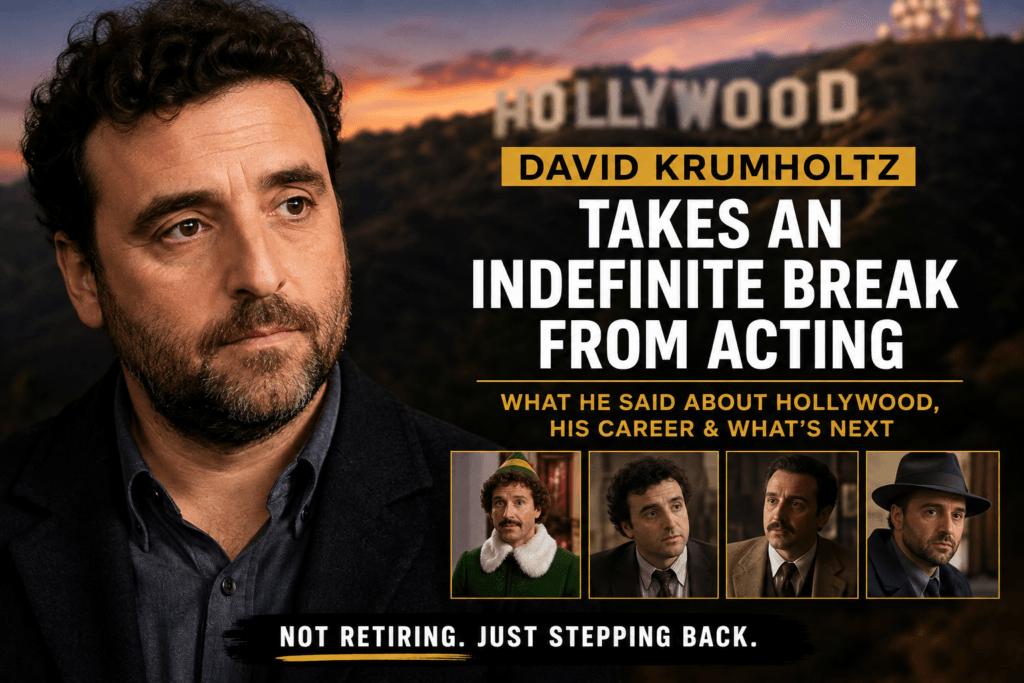
David Krumholtz takes an indefinite break from acting and discusses his future in Hollywood

David Krumholtz Takes an Indefinite Break From Acting: What He Said About Hollywood

David Krumholtz is stepping back from acting after more than three decades in Hollywood, saying he has reached a point where the pressures and uncertainty of the business have become too heavy to ignore. The 48-year-old actor recently described putting his career on hold as a decision he had feared making for years, largely because of the possibility of financial instability. The announcement quickly drew attention because Krumholtz is far from an unknown performer. Audiences have seen him in films and television series including The Santa Clause, 10 Things I Hate About You, Numb3rs and Oppenheimer. More recently, he appeared in projects connected to Supergirl and The Studio, keeping him active during a period when Hollywood itself has been undergoing major changes. However, calling the development a permanent retirement would go too far. Krumholtz’s own follow-up comments indicate that he has not completely closed the door on acting. Instead, he is taking an indefinite break and reconsidering what he wants from his career. What David Krumholtz Said About Stepping Away Krumholtz announced the decision in a Threads post that was later deleted. He explained that putting his acting career on hold had been something he had considered for years, but fear kept him from making the move. His biggest concern involved money and the possibility that leaving the industry could leave him without a dependable source of income. That fear appears to have competed with another feeling: relief. After sending what he described as the decisive email that put his career on pause, Krumholtz said he immediately felt a significant weight lift from him. The contrast is revealing. The decision created uncertainty about what he would do next, yet it also removed a burden he had apparently carried for a long time. His comments suggest that the issue is not simply a lack of acting opportunities. Instead, Krumholtz has become increasingly dissatisfied with the way he believes professional actors are expected to navigate the modern entertainment business. He questioned whether continuing to chase roles under those conditions still made sense for him. That makes the announcement more complicated than a conventional celebrity retirement. Krumholtz is not presenting acting as something he suddenly stopped loving. Rather, he appears to be questioning whether the current system allows him to pursue the profession in a way that feels financially and personally sustainable. Why Krumholtz Said He Felt Relief The emotional response to his decision may be one of the most significant parts of the story. For years, Krumholtz had apparently associated stepping away from acting with a frightening financial consequence. That fear made remaining in the industry feel safer, even as dissatisfaction continued to build. Once he finally made the decision, however, he experienced the opposite reaction. He described a powerful sense of relief after removing what he considered a major burden. At the same time, he acknowledged that he does not yet have a complete financial or professional roadmap for what comes next. That uncertainty matters. Krumholtz is not announcing a neatly packaged second career with a confirmed start date. He is creating space to figure out what comes next. For an actor who has spent most of his adult life working in film and television, that represents a major personal shift. His decision appears less about walking away from his past and more about refusing to let fear alone determine his future. Is David Krumholtz Retiring From Acting? No clear evidence currently supports describing David Krumholtz as permanently retired from acting. The initial Threads announcement sounded final enough to trigger widespread reports that the actor was quitting Hollywood. Yet subsequent comments provided important context. Krumholtz indicated that he was not saying his acting career was completely over. Instead, he was redefining the terms under which he might work in the future. That distinction is especially important for readers searching for the latest David Krumholtz news. “Retirement” suggests a definitive end point. “Indefinite break” leaves the future open. Krumholtz’s position appears to be that he no longer wants to pursue acting simply because he feels obligated to remain in the business. He wants time to consider whether another path could provide a stronger sense of purpose. He has also discussed the possibility of doing motivational speaking and connecting with students. That idea fits with his broader comments about wanting to find work that allows him to be useful and have a meaningful impact. However, there is no indication that he has formally abandoned acting forever. For now, the most accurate description is straightforward: David Krumholtz has put his acting career on hold and is taking an indefinite break. Why His Deleted Threads Posts Caused Confusion The deleted Threads post helped create much of the confusion surrounding the story. Krumholtz’s original message was emotional and direct, making his decision sound like a major departure from the profession. Because the post disappeared, later readers had to rely on reports and screenshots to understand what he had originally written. That combination—an unusually candid announcement followed by deletion—naturally encouraged headlines describing the move as retirement or quitting Hollywood. Some coverage used stronger language than Krumholtz’s later clarification supported. His follow-up response changed the picture. Rather than declaring that he would never act again, he suggested that his relationship with the profession was being redefined. That is why the wording matters. Krumholtz has clearly expressed serious frustration with the industry, but frustration is not the same thing as a permanent career-ending decision. For now, his break should be understood as an open-ended pause. Whether that eventually becomes a full retirement, a temporary reset or a return under different conditions remains unknown. Why David Krumholtz Is Frustrated With Hollywood Krumholtz’s decision goes beyond the normal frustrations that come with auditions, rejection and unpredictable employment. In his now-deleted Threads post, he described a deeper dissatisfaction with how the entertainment business treats experienced character actors. He argued that decades of professional experience no longer guarantee the stability or respect that once came with a long career. One issue appears

David Krumholtz Takes an Indefinite Break From Acting: What He Said About Hollywood Read More »
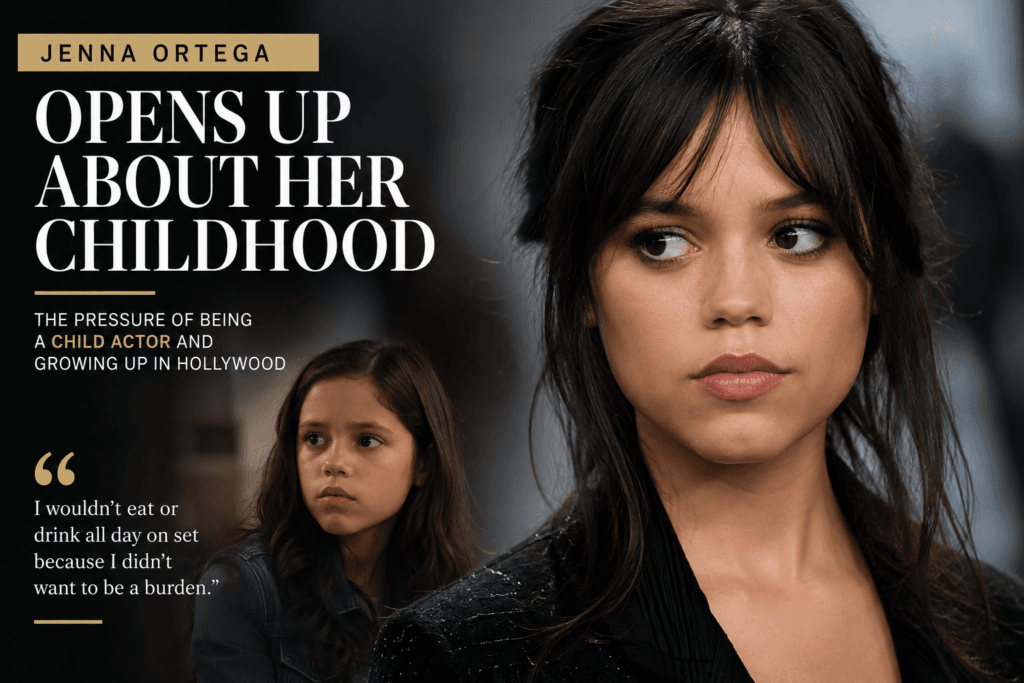
Jenna Ortega reflecting on her childhood as a child actor and the pressure of growing up in Hollywood

Jenna Ortega Opens Up About Her Childhood as a Child Actor and the Pressure She Faced

Jenna Ortega began pursuing acting when she was very young. Her early ambition eventually took her from auditions and smaller opportunities to recognizable television and film roles. Starting so young meant that Ortega learned the professional side of acting while she was still growing up. She became familiar with scripts, rehearsals, cameras, production schedules, publicity, and the expectations of working on a professional set. Her early credits included Jane the Virgin and Stuck in the Middle. Later, roles in You, the Scream franchise, and Wednesday introduced her to an increasingly larger audience. However, public success does not always reveal what a young performer experiences behind the scenes. Ortega has reflected on how strongly she wanted to prove herself during those early years. She wanted to perform well and avoid mistakes, which helps explain why she became so focused on being cooperative and not causing problems. For a child, that pressure can feel very different from ordinary workplace expectations. An adult may understand that asking for a break or basic assistance is normal. A young performer may instead worry about disappointing people. That difference is important when considering Jenna Ortega’s childhood career. Her experience shows how a strong work ethic can sometimes develop alongside a fear of inconveniencing others. Jenna Ortega’s Childhood Career Started With a Strong Desire to Perform Jenna Ortega began pursuing acting when she was very young. Her early ambition took her from auditions and smaller opportunities to recognizable television and film roles. Starting so young meant that Ortega learned the professional side of acting while she was still growing up. She became familiar with scripts, rehearsals, cameras, production schedules, and the expectations of working on a professional set. Her early credits included Jane the Virgin and Stuck in the Middle. Later, roles in You, the Scream franchise, and Wednesday introduced her to a much larger audience. Anna Osceola’s Hollywood journey offers another example of how performers can gradually build recognition through professional work. Hollywood careers can also develop through varied roles and opportunities. Scott Eastwood’s Hollywood career provides another example of an actor building a recognizable public identity over time. However, public success does not always reveal what a young performer experiences behind the scenes. Ortega has reflected on how strongly she wanted to prove herself during those early years. She wanted to perform well and avoid mistakes, which helps explain why she became focused on being cooperative and not causing problems. For a child, that pressure can feel very different from ordinary workplace expectations. A young performer may worry about disappointing people even when asking for basic assistance is completely reasonable. Her experience shows how a strong work ethic can sometimes develop alongside a fear of inconveniencing others. Jenna Ortega Says She Sometimes Ignored Basic Needs on Set One of the most striking parts of Jenna Ortega’s recent reflection concerns how she behaved while working as a child actor. Ortega explained that she became so focused on being cooperative and staying out of everyone’s way that she sometimes avoided asking for things she needed. That included going without food or water during long periods on set. The important point is not to turn her experience into a sensational story about Hollywood. Instead, her comments reveal the mindset of a young performer who believed that being easy to work with was extremely important. Looking back as an adult, Ortega appears to have gained a different perspective on that behavior. Her experience highlights the difference between being disciplined and ignoring your own basic needs. That distinction matters because children should not be expected to manage professional pressure exactly like adults. A young performer might worry that asking for water could interrupt filming or that requesting food could make them seem difficult. They may also stay quiet because everyone around them appears busy. However, those fears do not necessarily reflect what the adults actually think. Jenna Ortega’s experience therefore raises an important question: How much responsibility should a young performer carry for protecting their own well-being? The answer should not rest entirely on the child. Adults working with young performers should create an environment where asking for food, water, rest, or assistance feels completely normal. Professional productions should make young actors feel supported rather than afraid to speak up. Why Jenna Ortega’s Story Matters Beyond Celebrity Culture Jenna Ortega’s comments have attracted attention partly because she is now one of the most recognizable young actors in Hollywood. However, the underlying issue is much broader. Child performers occupy an unusual position. They are employees or professional participants in a highly demanding industry, yet they are also children who are still developing emotionally and socially. That creates a complicated balance. A young actor may genuinely love performing. They may feel proud to be on set. They may want to impress directors and fellow cast members. At the same time, they still need adults to recognize when they are tired, hungry, overwhelmed, or uncomfortable. Ortega’s reflections demonstrate why enthusiasm should not be confused with unlimited capacity. A child can be excited about a career and still need protection from the pressures surrounding it. The entertainment industry has rules and safeguards intended to protect young performers, and those protections vary according to jurisdiction, production, and circumstances. However, formal rules alone cannot eliminate every problem. Culture matters too. If a young actor receives constant praise for being unusually mature, quiet, punctual, or undemanding, that praise can unintentionally reinforce the idea that having needs is inconvenient. In Ortega’s case, her recent comments provide a reminder that what looks like impressive professionalism from a distance may sometimes come from anxiety about disappointing other people. That is why her story deserves to be considered thoughtfully rather than turned into another piece of celebrity gossip. Jenna Ortega’s Comments Also Change How Fans View Child Stardom Celebrity culture often focuses on the finished product. Fans see the successful actor, the major movie, the television premiere, the fashion appearance, or the magazine interview. The years of auditions and uncertainty

Jenna Ortega Opens Up About Her Childhood as a Child Actor and the Pressure She Faced Read More »

Chris Hansen alongside Robert Pattinson's transformation for A24's Primetime in a cinematic featured image inspired by the upcoming film.

Chris Hansen Returns to the Spotlight as Robert Pattinson’s Shocking Transformation Leads A24’s Primetime

Robert Pattinson’s remarkable transformation into veteran investigative journalist Chris Hansen has quickly become one of the biggest talking points in entertainment. The first trailer for A24’s Primetime has sparked widespread interest, not only because of Pattinson’s striking appearance but also because it revisits a controversial chapter in American television history. As excitement for the film continues to build, many people are searching to learn more about the real Chris Hansen and the events that inspired the story. Known for his work on To Catch a Predator, Hansen became one of the most recognizable faces in investigative journalism during the 2000s. His reporting style, high-profile television confrontations, and lasting influence on crime-focused programming helped shape public conversations about online safety and media ethics. Now, Primetime is introducing his story to a new generation of viewers while encouraging longtime audiences to revisit his legacy from a fresh perspective. In this article, we’ll explore who Chris Hansen is, why Robert Pattinson is portraying him, the true story behind Primetime, and why the journalist remains a significant figure in American media today. Chris Hansen Returns to the Spotlight as Robert Pattinson Transforms Into a TV Icon More than a decade after To Catch a Predator became one of television’s most talked-about true-crime programs, Chris Hansen is back in the center of pop culture. This time, however, the attention isn’t coming from a new investigation or an interview. Instead, it’s arriving through Hollywood. A24’s upcoming drama Primetime has generated widespread conversation after releasing its latest trailer, giving audiences their clearest look yet at Robert Pattinson’s dramatic transformation into Chris Hansen. Known for taking on unconventional roles, Pattinson appears almost unrecognizable as the longtime television journalist, complete with a distinct voice, mannerisms, and the calm but confrontational style that made Hansen famous. As anticipation continues to grow, Hollywood’s biggest upcoming movies are attracting significant attention from audiences, and Primetime has quickly become one of the most talked-about projects because of its unusual subject matter and Robert Pattinson’s dramatic transformation. The trailer immediately sparked discussion across social media. While many viewers praised Pattinson’s performance, others became intrigued by the movie’s subject matter. Rather than presenting a simple biographical story, Primetime appears to examine the complicated relationship between crime reporting, television ratings, public fascination, and the ethical questions surrounding one of America’s most controversial reality-based programs. For longtime viewers, the film also brings renewed attention to an era when To Catch a Predator dominated headlines. The NBC series attracted millions of viewers by documenting undercover sting operations that confronted adults accused of attempting to meet minors. Primetime Brings Chris Hansen’s Story to a New Generation Although To Catch a Predator received praise for raising awareness about online child exploitation, it also faced criticism over its investigative methods and legal controversies. Those debates made the series one of the most discussed television programs of the 2000s and continue to shape conversations about its legacy. Today, Chris Hansen remains a recognizable media personality, but Primetime is introducing his story to an entirely new generation—many of whom know Robert Pattinson far better than the journalist himself. Quick Overview Details Movie Primetime Lead Actor Robert Pattinson Real-Life Figure Chris Hansen Director Lance Oppenheim Writer Ajon Singh Studio A24 Genre Drama / Thriller inspired by real events Setting Primarily 2006 during the height of To Catch a Predator Release Scheduled for September 2026 after its Venice Film Festival premiere Who Is Chris Hansen? Before becoming the inspiration for a major Hollywood film, Chris Hansen built his reputation as an investigative journalist. During his years at NBC News, Hansen reported on a wide variety of stories. However, his public profile changed dramatically when he became the face of To Catch a Predator, a television series that combined undercover investigations with on-camera confrontations. The format was unlike anything audiences had regularly seen on network television at the time. Each episode typically followed a similar structure: Undercover investigators communicated online with suspected predators. A decoy posed as a minor. The suspect traveled to a predetermined location. Chris Hansen confronted the individual before law enforcement became involved. The show’s memorable confrontations quickly became part of American pop culture, and Hansen’s calm opening questions became instantly recognizable to millions of viewers. Over time, those moments were widely referenced across television, comedy, internet culture, and documentaries. Yet Hansen’s legacy has always been more complex than internet memes or viral clips. Supporters argue the program exposed dangerous behavior and educated parents about online safety. Critics, meanwhile, questioned whether entertainment value sometimes overshadowed journalism, particularly as the show’s popularity continued to grow. Those conflicting perspectives appear to be a major focus of Primetime, rather than simply celebrating its central figure. Chris Hansen’s Television Legacy and Why It Still Matters Today Although To Catch a Predator first aired nearly two decades ago, Chris Hansen remains closely associated with conversations about investigative journalism, internet safety, and true crime television. As online communication became more common in the early 2000s, the series reflected growing public concern about the risks children faced on the internet. At the time, the show’s format stood apart from traditional news reporting. Instead of simply discussing crime statistics or interviewing experts, it placed viewers inside real-world sting operations. That approach attracted millions of viewers while also creating debates about the role of television in criminal investigations. Years later, the discussions continue. Some media analysts point to the program as a groundbreaking awareness campaign that educated families about online dangers. Others argue it blurred the line between journalism, law enforcement, and entertainment. Those differing opinions have become an important part of Chris Hansen’s public legacy. Because of that complexity, Primetime has attracted attention not only from movie fans but also from people interested in media ethics and true-crime storytelling. Why Robert Pattinson Playing Chris Hansen Is Getting So Much Attention Casting Robert Pattinson as Chris Hansen surprised many movie fans when the project was first announced. Pattinson has built a career by choosing challenging and unconventional roles, often moving far

Chris Hansen Returns to the Spotlight as Robert Pattinson’s Shocking Transformation Leads A24’s Primetime Read More »

Editorial portrait of John Wayne with a Western desert backdrop, highlighting his biography, best movies, and lasting Hollywood legacy.

John Wayne: Biography, Best Movies, Western Legacy & Why He’s Trending in 2026

John Wayne: Why the Hollywood Legend Still Captivates Audiences More than four decades after his passing, John Wayne remains one of the most recognizable names in American cinema. His image is closely tied to the Western genre, rugged individualism, and classic Hollywood storytelling. Whether people remember him as a fearless cowboy, a military hero on screen, or a cultural icon, his influence continues to shape film discussions across generations. Interest in John Wayne has grown again in 2026. New streaming releases, classic movie restorations, anniversary celebrations, and conversations about Hollywood history have introduced his work to younger audiences while longtime fans continue revisiting his most famous performances. Unlike many stars whose popularity fades over time, Wayne’s legacy continues because his films represent an important chapter in American entertainment. His performances helped define an era when Westerns dominated theaters, and his career offers a fascinating look at how Hollywood evolved throughout the twentieth century. This guide explores the life, career, biggest movies, lasting influence, and continued relevance of John Wayne, providing both longtime fans and first-time viewers with a complete overview of one of cinema’s greatest legends. Quick Facts About John Wayne Category Details Full Name Marion Robert Morrison Popular Name John Wayne Nickname The Duke Birth May 26, 1907 Birthplace Winterset, Iowa, USA Raised In Southern California Occupation Actor, Producer, Director Active Years 1926–1976 Total Films More than 170 Best Known For Western and war films Academy Award Best Actor for True Grit Signature Image Cowboy hat, boots, confident walk Legacy One of Hollywood’s most influential stars Why John Wayne Is Trending in 2026 Although John Wayne has not appeared in a film for decades, his name regularly returns to entertainment headlines. Several factors continue driving renewed interest in his remarkable career. Streaming platforms have made classic Westerns easier to watch than ever before. Many viewers who never experienced these movies in theaters are now discovering them from home. As a result, discussions about Wayne’s performances frequently appear across social media and movie communities. As streaming platforms continue bringing classic and modern films to new audiences, both timeless Westerns and today’s blockbuster releases are finding fresh viewers across generations. Film critics also continue publishing updated rankings of the greatest Western films ever made. Many of Wayne’s classics consistently earn top positions, reminding audiences why his work still matters. Collectors, historians, and film preservation organizations have also restored several classic titles in higher resolutions, allowing modern audiences to appreciate cinematography and performances with improved picture quality. Anniversary celebrations for iconic movies have further renewed interest, while documentaries examining Hollywood’s Golden Age continue introducing John Wayne to younger generations. The Early Life of John Wayne Growing Up Before Hollywood Long before becoming an international movie star, John Wayne was born as Marion Robert Morrison in Iowa before moving with his family to California during childhood. Growing up in Southern California placed him close to the rapidly expanding motion picture industry. At the time, Hollywood was transforming into the world’s filmmaking capital, although few could have predicted that Morrison would eventually become one of its biggest stars. He enjoyed outdoor activities, sports, and academics. Friends often described him as hardworking, disciplined, and determined—qualities that later became central to his on-screen image. Education and Athletic Dreams Before acting became his career, Wayne hoped athletics would shape his future. He attended the University of Southern California (USC), where he played football. Coaches admired his physical strength and leadership, and many believed he could build a successful athletic career. However, injuries and financial challenges changed his direction. Instead of continuing sports, he began working around movie studios, performing small production jobs while gradually learning how films were made. That unexpected career change ultimately led him toward acting. How John Wayne Entered Hollywood Breaking into Hollywood was not easy. Like many aspiring actors, Wayne started with small appearances that often went unnoticed. During the silent film era, he worked as an extra, moved equipment, and assisted production crews while observing experienced actors and directors. These early years became an informal education in filmmaking. Rather than gaining overnight success, Wayne spent years developing his screen presence. He learned camera positioning, action choreography, dialogue delivery, and audience expectations. Eventually, filmmakers recognized his height, confidence, and distinctive appearance, believing he possessed the qualities needed for leading roles. John Wayne and the Road to Stardom Early Leading Roles The transition from background performer to leading man happened gradually. Wayne appeared in several lower-budget productions that allowed him to gain valuable experience. Although these films did not immediately make him a household name, they helped him become comfortable carrying entire stories. Directors appreciated his reliability and willingness to perform physically demanding scenes. Audiences also responded positively to his calm confidence and natural charisma. The Breakthrough That Changed Everything Every legendary career includes one defining turning point. For John Wayne, that breakthrough arrived when he starred in a major Western that dramatically expanded his reputation. The film demonstrated that Wayne possessed far more than an impressive physical presence. He could portray determination, vulnerability, leadership, and quiet strength while carrying emotionally engaging stories. Its success opened the door to decades of starring roles across Hollywood. Soon afterward, Wayne became one of the industry’s most bankable actors. Why John Wayne Became the Face of Western Movies Many talented actors appeared in Westerns throughout Hollywood history. Yet John Wayne became almost synonymous with the genre itself. Several factors explain this lasting association. A Distinctive Screen Presence Wayne projected confidence without appearing rushed. His deliberate movements, recognizable voice, and commanding posture created characters who felt dependable under pressure. Audiences believed he could lead wagon trains, defend frontier towns, or protect families simply through his calm demeanor. That authenticity distinguished him from many contemporaries. Memorable Characters Rather than portraying identical heroes in every movie, Wayne often explored different personalities. Some characters displayed patience and wisdom. Others struggled with personal loss, revenge, or moral conflict. This variety allowed audiences to remain invested throughout his long career. Strong Partnerships

John Wayne: Biography, Best Movies, Western Legacy & Why He’s Trending in 2026 Read More »

Scott Eastwood featured image highlighting his career, movies, family background, and 2026 news including the Fury on-set story.

Scott Eastwood: Career, Movies, Shia LaBeouf Clash, Family & Latest News (2026)

Scott Eastwood Is Back in the Spotlight Hollywood has never been short on memorable personalities, but few actors have built a career quite like Scott Eastwood. Known for his rugged screen presence, action-packed performances, and famous family name, he has spent years proving that he belongs in the industry on his own merits. Recently, Scott Eastwood made headlines after sharing details about a tense experience while filming the 2014 war movie Fury. During a podcast interview, he reflected on an on-set disagreement involving co-star Shia LaBeouf, offering fans a rare behind-the-scenes look at the challenges actors sometimes face while making major Hollywood productions. Although the story quickly attracted attention across entertainment media, it also sparked a broader conversation. Many fans became interested not only in the incident itself but also in Scott Eastwood’s career, his acting journey, and the path he has taken to establish his own identity despite growing up in one of Hollywood’s most recognizable families. As a result, searches for Scott Eastwood have increased, with people looking for reliable information about his movies, career milestones, family background, and latest projects. This article explores everything readers should know, including the recent headlines, his rise in Hollywood, his relationship with legendary filmmaker Clint Eastwood, and what the future may hold for one of the industry’s most recognizable action stars. Why Scott Eastwood Is Trending in 2026 The latest wave of attention surrounding Scott Eastwood began after he discussed a difficult moment from the set of Fury. Rather than focusing on controversy for its own sake, he described the experience as part of the realities of working in an intense creative environment. According to Scott Eastwood, disagreements sometimes happen when actors become deeply invested in their characters and performances. Film productions often involve long shooting days, physically demanding scenes, and high-pressure situations that can create emotional moments on set. His comments quickly spread across entertainment news outlets because they offered fresh insight into a film that remains popular more than a decade after its release. Instead of sensationalizing the event, many fans viewed his perspective as a candid reflection on the challenges of filmmaking. At the same time, the renewed attention introduced younger audiences to Scott Eastwood’s broader body of work. People who primarily recognized his last name began exploring his filmography and learning how he gradually built an independent career. Consequently, online interest expanded beyond one interview and evolved into curiosity about his entire professional journey. The renewed attention also comes during a period when several Hollywood headlines have dominated entertainment news, from major actor interviews to high-profile industry controversies. Scott Eastwood’s Hollywood Journey Started Long Before Fame Success did not arrive overnight for Scott Eastwood. Even though he comes from a legendary Hollywood family, his path into acting required patience, persistence, and years of smaller opportunities before leading roles became available. Early in his career, he accepted supporting parts that allowed him to gain practical experience rather than relying on celebrity status. These appearances helped him understand different styles of filmmaking while gradually earning the trust of directors and producers. Over time, audiences began recognizing him for his confident screen presence, athletic build, and ability to portray military personnel, law enforcement officers, and action-oriented characters. Instead of trying to imitate anyone else’s career, Scott Eastwood developed an identity that balanced traditional Hollywood leading-man qualities with a modern action-star image. That steady approach helped him secure increasingly important roles across multiple genres. Like many performers who gradually built successful careers in Hollywood, Scott Eastwood’s path reflects years of persistence rather than overnight recognition. Scott Eastwood Chose to Build His Own Reputation One of the most interesting aspects of Scott Eastwood’s career is his determination to create success independently. Being the son of Clint Eastwood undoubtedly brought public attention. However, it also created enormous expectations. Every new performance invited comparisons to one of cinema’s most respected actors and directors. Rather than avoiding those comparisons, Scott Eastwood focused on consistent improvement. Throughout his career, he has emphasized hard work, professionalism, and preparation. Directors frequently cast him in physically demanding roles that require discipline, whether portraying soldiers, athletes, law enforcement officers, or adventurous protagonists. This strategy allowed him to gradually establish credibility with audiences who appreciate action films and character-driven dramas alike. Instead of depending on his family legacy, Scott Eastwood continued building a résumé filled with diverse performances that demonstrated his willingness to grow as an actor. Quick Facts About Scott Eastwood Category Details Full Name Scott Clinton Reeves Eastwood Profession Actor and Producer Nationality American Known For Action films, dramas, military roles Father Clint Eastwood Popular Movie Fury Industry Hollywood Active Career 2000s–Present Scott Eastwood’s Early Life and Family Background Understanding Scott Eastwood begins with understanding the environment that shaped him. While many people know him as the son of Hollywood icon Clint Eastwood, his childhood and early adulthood were far different from the glamorous image often associated with celebrity families. Instead of stepping directly into leading movie roles, Scott spent years building confidence, learning from life experiences, and finding his own direction. Those formative years helped create the work ethic that later defined his acting career. Today, many fans admire Scott Eastwood not only for his performances but also for the determination he has shown in carving out an identity separate from his family’s extraordinary legacy. Scott Eastwood’s Childhood Shaped His Independent Mindset Scott Eastwood was born on March 21, 1986, in California. Although he grew up knowing that his father was one of Hollywood’s biggest stars, his upbringing was not centered around fame or constant media attention. His family encouraged responsibility and independence from an early age. Rather than relying on privilege, Scott learned that success comes through discipline, consistency, and personal accountability. That mindset stayed with him as he entered adulthood. Instead of expecting opportunities to appear automatically, he prepared himself by taking on different jobs, improving his skills, and gaining life experience outside the entertainment industry. Those experiences later helped him portray grounded, believable characters

Scott Eastwood: Career, Movies, Shia LaBeouf Clash, Family & Latest News (2026) Read More »

Ariana Grande featured image highlighting her career, Eternal Sunshine era, and public life in 2026.

Ariana Grande Steps Back From Public Life: Full Story, Career, Eternal Sunshine & What’s Next (2026)

Ariana Grande Enters a New Chapter For more than a decade, Ariana Grande has been one of the biggest names in the entertainment industry. Her powerful voice, successful albums, memorable performances, and growing business ventures have helped her build a truly global career. As a result, millions of fans follow every major step she takes. Recently, however, the conversation has shifted. Instead of focusing on new music alone, many fans have started asking questions about her future and personal priorities. That change has made Ariana Grande one of the most discussed celebrities of 2026. Although headlines have sparked widespread curiosity, they also highlight a broader issue. Modern entertainers face constant public attention, and maintaining a healthy balance between work and personal life has become increasingly challenging. Therefore, this article looks beyond the headlines. It explores Ariana Grande’s remarkable journey, the pressures of worldwide fame, the reasons this moment matters, and what it could mean for her future career. In addition, it explains why many artists are choosing a more balanced approach to success. Ariana Grande’s Rise to Global Stardom Every successful career begins somewhere, and Ariana Grande is no exception. While many people know her as a chart-topping singer today, her journey started years before she dominated the music industry. From the beginning, she displayed impressive talent and determination. Because of her dedication, she gradually transformed from a young performer into one of the world’s most recognizable entertainers. From Television to Music Many fans first discovered Ariana Grande through television. Her early acting roles introduced her to a younger audience and showcased both her personality and vocal talent. Soon afterward, she shifted her attention toward music. That decision proved to be a turning point in her career. Instead of remaining known only as an actress, she began developing her own identity as a recording artist. Her early songs immediately attracted attention. Moreover, critics praised her vocal range, while listeners appreciated her fresh sound. As a result, she quickly gained momentum within the highly competitive pop music industry. Ariana Grande Built a Unique Musical Style Every successful artist needs a recognizable identity. Fortunately, Ariana Grande developed one early in her music career. Rather than following only one trend, she combined several musical influences. For example, her songs often blend pop, contemporary R&B, dance music, and soulful vocal performances. Because of that versatility, her music appeals to listeners from different age groups. In addition, she has continued experimenting with new production styles throughout her career. Consequently, each album feels different while still maintaining the signature sound that fans recognize. This balance between consistency and creativity has played a major role in her long-term success. Ariana Grande’s Success on Global Music Charts Commercial success followed artistic growth. As Ariana Grande released more music, her popularity continued to expand across the world. Many of her projects performed well on streaming platforms, music charts, and digital services. Furthermore, her international fan base continued growing with each new release. Several factors helped support that success: Career Strength Why It Matters Powerful vocals Creates an instantly recognizable sound Emotional songwriting Helps listeners connect with her music Musical versatility Reaches different audiences worldwide Strong live performances Builds long-term fan loyalty Global popularity Expands success across international markets Because these strengths work together, Ariana Grande has remained one of the most influential artists of her generation. Ariana Grande Became More Than a Singer Although music remains at the center of her career, Ariana Grande has expanded far beyond the recording studio. Over time, she has successfully built a diverse personal brand. Today, many people recognize her not only for her songs but also for her work in several creative industries. Acting Continued Alongside Music Even after becoming a successful singer, Ariana Grande never completely stepped away from acting. Instead, she continued exploring opportunities in film and television whenever the right projects appeared. As a result, she reached audiences who may not have discovered her through music alone. Her ability to balance both careers demonstrates remarkable versatility. Moreover, it highlights her willingness to grow as a performer rather than limiting herself to one field. Ariana Grande Expanded Into Business Like many modern entertainers, Ariana Grande also explored business opportunities outside music. Over the years, she became involved in several industries, including: Beauty Fragrances Fashion Brand partnerships Entertainment production These ventures strengthened her public image. At the same time, they allowed fans to connect with her brand in new ways. Instead of replacing her music career, these businesses complemented it and demonstrated her entrepreneurial mindset. Social Media Changed Everything Social media has transformed how celebrities communicate with their audiences. Naturally, Ariana Grande became one of the most followed artists across multiple platforms. Through digital channels, fans enjoyed: Behind-the-scenes moments Studio updates Tour memories Personal reflections Promotional campaigns Because of this direct communication, fans often felt more connected to her than ever before. However, constant visibility also created new challenges. Unlike previous generations of artists, today’s celebrities remain in the public eye almost every day. Consequently, finding time for privacy has become increasingly difficult. Why Ariana Grande Receives So Much Public Attention Few entertainers attract as much worldwide attention as Ariana Grande. Throughout her career, every major announcement has quickly become headline news. Whether she releases a new song, appears at an awards show, or starts a creative project, millions of people want to know more. As her career continued to grow, so did public interest. Fans follow her music because they admire her talent. Meanwhile, entertainment outlets report on her professional milestones because she remains one of the industry’s most influential performers. Today, even small updates can generate discussions across social media, news websites, and fan communities. Therefore, it is not surprising that recent conversations about Ariana Grande have attracted global attention. Similarly, public interest often extends beyond an artist’s professional achievements to important personal milestones. Fans closely follow major life events involving well-known entertainers, whether they relate to careers, relationships, or new beginnings. For another recent celebrity story, explore

Ariana Grande Steps Back From Public Life: Full Story, Career, Eternal Sunshine & What’s Next (2026) Read More »

Vincent Pastore featured image highlighting the late actor's life, career, and legacy, including his iconic role as Big Pussy in The Sopranos.

Vincent Pastore: Life, Career, The Sopranos Legacy, Movies, and Lasting Impact (2026)

When audiences think about television’s greatest crime dramas, one name almost always enters the conversation—The Sopranos. While the series introduced viewers to many unforgettable characters, Vincent Pastore earned a special place in television history through his portrayal of Salvatore “Big Pussy” Bonpensiero. His performance combined loyalty, humor, emotion, and inner conflict, making the character one of the show’s most memorable figures. However, Vincent Pastore accomplished far more than a single iconic role. His career spanned decades and included films, television series, stage productions, and public appearances. More importantly, his journey proved that success can arrive later in life through persistence, authenticity, and hard work. Following news of his passing in August 2026, fans across the world reflected on his remarkable contributions to entertainment and the lasting influence he left behind. This article explores his life, career, achievements, and enduring legacy. Who Is Vincent Pastore? Although millions recognize him from The Sopranos, Vincent Pastore built a career that extended well beyond one television series. He became known for portraying believable New York characters, especially those connected to crime dramas, law enforcement stories, and working-class communities. Unlike many actors who relied on flashy performances, Pastore brought realism to every role. His natural delivery, recognizable voice, and expressive personality helped audiences connect with his characters. As a result, casting directors frequently selected him for projects that required authenticity rather than exaggeration. His success also demonstrated that character actors can become just as memorable as leading stars. Vincent Pastore’s career reflects the dedication and resilience often seen in some of entertainment’s most respected figures. If you enjoy exploring inspiring celebrity journeys, you can also read our article on Dolly Parton (2026): Family, Career, Legacy & Brother Coy Parton’s Death, which looks at another iconic entertainer’s life, achievements, and lasting influence on American culture. Quick Facts About Vincent Pastore Category Information Full Name Vincent Pastore Date of Birth July 14, 1946 Birthplace Bronx, New York, USA Nationality American Profession Actor Best Known For Salvatore “Big Pussy” Bonpensiero (The Sopranos) Years Active Late 1980s–2026 Military Service United States Navy Education Pace University Vincent Pastore’s Early Life Before entering Hollywood, Vincent Pastore spent his childhood in New York City. Growing up in the Bronx exposed him to a vibrant mix of cultures, neighborhoods, and everyday experiences that later influenced his acting style. His surroundings introduced him to the personalities, conversations, and traditions that became familiar elements in many of his performances. Instead of learning these characteristics from scripts, he experienced them throughout his early life. Because of this background, his performances often felt genuine. Viewers believed the characters because they reflected people he had known throughout his life. Growing Up in the Bronx The Bronx during Pastore’s childhood was known for its close-knit neighborhoods and strong community values. Families often knew one another, local businesses played an important role, and friendships lasted for years. Living in this environment helped him develop an understanding of human relationships and everyday conversations. Later, these experiences allowed him to portray New York characters with remarkable credibility. Instead of acting like someone from New York, he simply drew from his own experiences. Family and Cultural Influences Like many Italian-American families of his generation, family traditions played an important role in Pastore’s upbringing. Shared meals, neighborhood gatherings, and respect for relatives created a strong sense of community. These values later appeared naturally in many of his performances, especially when portraying characters with deep family connections. Because audiences recognized these authentic details, his work felt relatable rather than scripted. How Vincent Pastore’s Childhood Influenced His Acting Many successful actors spend years studying accents and regional behavior. Vincent Pastore, however, already possessed those qualities naturally. His upbringing gave him firsthand knowledge of: New York street culture Italian-American traditions Neighborhood relationships Everyday conversations Local humor Working-class lifestyles These experiences became valuable assets throughout his career. Rather than copying stereotypes, he portrayed realistic individuals with believable personalities. Consequently, directors trusted him with roles that required authenticity and emotional depth. Vincent Pastore’s Military Service Before beginning his acting career, Vincent Pastore served in the United States Navy. Although this chapter of his life received less public attention than his acting career, it played an important role in shaping his character. Military service teaches discipline, teamwork, and responsibility. Those same qualities later became visible throughout his professional career in entertainment. His journey also reminds readers that success does not always follow a straight path. Many accomplished performers gain valuable life experience before entering the film industry. Lessons Learned During Military Service Serving in the Navy helped Pastore develop habits that benefited him throughout his life. Some of those qualities included: Self-discipline Respect for teamwork Strong work ethic Adaptability Leadership skills Confidence under pressure These characteristics later contributed to his reputation as a dependable actor on professional film and television sets. Vincent Pastore’s Education and Early Career After completing his military service, Vincent Pastore explored several career opportunities before becoming an actor. Like many people, he spent years discovering the path that best matched his interests and abilities. Rather than entering Hollywood immediately, he gained valuable real-world experience through business and everyday life. Those experiences later helped him portray believable characters with emotional maturity. His career path demonstrates that practical life experience can become a powerful advantage for performers. Business Experience Before Acting Before receiving major acting opportunities, Pastore owned and operated a nightclub in New York. Working in the hospitality industry introduced him to people from many different backgrounds. He interacted with entertainers, business professionals, and members of New York’s creative community. Those connections gradually opened the door to acting opportunities and encouraged him to pursue a career in entertainment. Vincent Pastore’s Journey Into Acting Unlike many actors who begin performing as children, Vincent Pastore entered professional acting later in life. Nevertheless, his determination and authenticity quickly attracted attention. He accepted smaller roles, continued improving his skills, and steadily expanded his résumé. Every project helped him build experience while introducing him to directors and producers across the industry.

Vincent Pastore: Life, Career, The Sopranos Legacy, Movies, and Lasting Impact (2026) Read More »

Diane Farr leaving Los Angeles after 30 years to begin a new chapter in Washington

Diane Farr Leaves Los Angeles After 30 Years: Why the Fire Country Star Is Starting a New Chapter

Diane Farr’s Three-Decade Journey Through Los Angeles Spending three decades in Los Angeles means witnessing tremendous change. During that time, the entertainment industry evolved, audiences changed, and careers took unexpected turns. For Diane Farr, Los Angeles became more than a workplace—it was where she built her acting career, created lasting memories, and achieved many of her biggest professional milestones. Like many aspiring actors, Farr arrived in Hollywood with determination and ambition. Rather than finding overnight success, she steadily earned respect through consistent performances, professionalism, and versatility. That patient approach helped her establish a career that has remained relevant across multiple generations of television. Her journey also highlights the lasting appeal of actors whose work continues to resonate with audiences over the years. Readers interested in another remarkable television career can also explore our feature on Jonathan Taylor Thomas: From 1990s Teen Idol to the Home Improvement Reunion That Has Fans Talking. After spending nearly thirty years in Los Angeles, Diane Farr has chosen to begin a new chapter. Her decision reflects not a departure from success, but a natural evolution in priorities, proving that even after decades in Hollywood, personal growth and new beginnings remain possible. Introduction For many actors, Los Angeles is the place where dreams begin and careers take shape. After spending nearly three decades building a successful career and personal life there, Diane Farr has decided it’s time for a fresh start. The Fire Country star recently announced that she is leaving Los Angeles and relocating to Washington, describing the move as the beginning of her “third act.” The news surprised many fans, especially those who know her from CBS’s hit drama, but it also sparked conversations about changing priorities and redefining success. Rather than signaling the end of her acting career, Diane Farr’s decision reflects a shift toward a lifestyle focused on family, personal fulfillment, and a better work-life balance. Her story also highlights how the entertainment industry has evolved, allowing actors to pursue successful careers without living full-time in Hollywood. In this article, we’ll explore why Diane Farr is leaving Los Angeles after 30 years, what inspired the move, how it could affect her future and Fire Country, and why this life-changing decision has resonated with fans across the United States. Who Is Diane Farr? Before discussing her move, it’s worth understanding why Diane Farr remains such a respected figure in television. Throughout her career, Farr has developed a reputation for portraying intelligent, emotionally grounded, and memorable characters. Rather than relying on celebrity headlines, she has consistently built her career through versatile performances across drama, comedy, and procedural television. Her acting journey spans decades and includes appearances in numerous well-known television series, allowing audiences to watch her evolve through different stages of her career. Some of the qualities that have made Farr popular include: Strong dramatic performances Authentic on-screen presence Versatility across genres Long-running television success Relatable public personality Balanced approach to career and family Unlike performers who frequently dominate tabloid headlines, Farr has largely remained focused on her craft. That steady professionalism has helped establish lasting credibility within the television industry. Today, many younger viewers recognize her from Fire Country, while longtime television fans remember her from several earlier projects that helped shape her career. Diane Farr Becomes a Fan Favorite on Fire Country One reason this recent announcement has attracted so much attention is the enormous popularity of Fire Country. The CBS drama has become one of network television’s biggest successes by combining: Family relationships Action-packed wildfire emergencies Community storytelling Personal redemption Emotional character development Within that ensemble cast, Diane Farr plays an important role that contributes significantly to the show’s emotional foundation. Her performance demonstrates the calm authority and emotional depth that audiences have come to expect from her throughout her career. As the show’s popularity has continued to grow, interest in its cast members has naturally increased. Fans now follow not only story developments on-screen but also the personal journeys of the actors behind the characters. That is one reason news of Farr’s relocation quickly became a major entertainment story. Fortunately for viewers, relocating away from Los Angeles does not automatically mean leaving a successful television series. Modern productions frequently accommodate actors living in different states, making geographic flexibility much more common than it was even a decade ago. Why Diane Farr Is Leaving Los Angeles The central question many readers are asking is simple: Why would someone leave Los Angeles after spending thirty years building a career there? The answer appears to involve much more than work. After three decades in Southern California, Diane Farr has spoken about entering a completely new phase of life—one that prioritizes personal happiness over remaining close to Hollywood. Several themes emerge from her decision. Seeking a Different Pace of Life Los Angeles offers incredible opportunities, but it also brings challenges. Long commutes. Heavy traffic. High housing costs. Constant industry competition. A fast-moving professional culture. While these realities are manageable early in a career, many professionals eventually begin searching for something different. For Farr, relocating represents an opportunity to enjoy a slower, more balanced lifestyle while continuing to work as an actress. That shift reflects a broader trend among established entertainers who are discovering they no longer need to remain physically close to Hollywood every day. Family Has Become a Bigger Priority Another important factor appears to be family. Many people naturally reevaluate their priorities after decades of professional achievement. Like many public figures, Diane Farr appears to be placing greater emphasis on balancing family and career during this stage of her life. If you’re interested in how family has shaped the journey of another Hollywood icon, you can also read our feature on Angelina Jolie Family Journey: Latest News, Children, Career, and Lasting Legacy. Instead of asking: “How can I advance my career?” The question becomes: “Where do I want to build the next chapter of my life?” For Diane Farr, the answer points toward creating a home environment that offers greater peace,

Diane Farr Leaves Los Angeles After 30 Years: Why the Fire Country Star Is Starting a New Chapter Read More »

Jonathan Taylor Thomas featured in a magazine-style illustration alongside a Home Improvement reunion theme, celebrating his rare public appearance and television legacy.

Jonathan Taylor Thomas: From 1990s Teen Idol to the Home Improvement Reunion That Has Fans Talking

For millions of television viewers who grew up during the 1990s, Jonathan Taylor Thomas was more than just another young actor. He became one of the defining faces of an era, starring in one of America’s most beloved sitcoms while lending his voice to one of Disney’s most iconic animated characters. His popularity reached extraordinary heights, making him one of Hollywood’s biggest teen stars before he surprised everyone by stepping away from the spotlight. Years later, the fascination surrounding Jonathan Taylor Thomas hasn’t disappeared. If anything, it has grown stronger. Every rare appearance sparks conversations across social media, entertainment websites, and fan communities eager to learn how the former actor is doing today. That curiosity reached a new level after a recent reunion involving the cast of Home Improvement. Fans who had not seen Thomas publicly for years suddenly found themselves revisiting childhood memories, sharing favorite episodes, and celebrating the unexpected glimpse of a familiar face. But why does one photograph generate such enormous attention? The answer goes beyond nostalgia. It reflects the lasting connection audiences still feel toward actors who shaped an entire generation of television. In this article, we’ll explore why Jonathan Taylor Thomas is trending again, revisit his remarkable career, examine his decision to leave Hollywood behind, and understand why fans continue to admire him decades after his biggest successes. Why Jonathan Taylor Thomas Is Trending Again Unlike many former child stars, Jonathan Taylor Thomas has intentionally chosen an exceptionally private lifestyle. He rarely grants interviews, avoids social media, and has spent years away from Hollywood’s constant public attention. That absence is exactly why every appearance becomes major entertainment news. Instead of building a career through celebrity culture or online influence, Thomas quietly stepped back to focus on personal goals, education, and living outside the pressures of fame. When fans recently saw him reunited with former Home Improvement cast members, excitement spread quickly across entertainment platforms. Several factors contributed to the renewed attention: A rare public appearance after years away Nostalgia for one of television’s biggest sitcoms Renewed interest in 1990s entertainment Curiosity about his life today Emotional reactions from longtime fans For many people, the reunion represented something larger than celebrity news. It reminded viewers of family sitcoms that defined their childhoods. Jonathan Taylor Thomas and the Power of Nostalgia Entertainment trends often move in cycles. Today’s streaming services have introduced younger audiences to classic television series, while longtime fans enjoy revisiting shows they loved decades ago. That cultural shift has helped classic sitcoms remain relevant. Shows from the 1990s continue attracting viewers because they offer: Family-centered storytelling Relatable humor Memorable characters Positive life lessons Timeless comedy As one of those memorable characters, Jonathan Taylor Thomas remains closely associated with an important chapter of television history. Unlike celebrities who constantly appear online, Thomas has maintained an air of mystery. Ironically, that privacy has only increased public curiosity. Jonathan Taylor Thomas and the Emotional Home Improvement Reunion One reunion photograph accomplished something many television revivals struggle to achieve. It reminded fans why they cared about these characters in the first place. Although the entertainment industry frequently produces reunions, anniversaries, and retrospective specials, genuine moments featuring actors who rarely appear publicly often feel more meaningful. For longtime viewers, seeing familiar cast members together brought back memories of: Watching new episodes with family Friday night television traditions Growing up alongside the Taylor family Favorite comedic moments Emotional storylines that still resonate today The reunion wasn’t simply about nostalgia. It highlighted how television can create lasting emotional connections across generations. Why Fans Were So Excited The excitement surrounding Jonathan Taylor Thomas differed from the typical celebrity trend. Most conversations focused on appreciation rather than speculation. Across online communities, fans expressed happiness simply because he appeared healthy and seemed comfortable reconnecting with former colleagues. Many viewers shared stories about: Growing up watching Home Improvement Having posters of Thomas during the 1990s Discovering the show through streaming services Introducing the sitcom to younger family members Revisiting favorite episodes after seeing the reunion This type of response demonstrates something rare in modern celebrity culture. People weren’t interested in controversy. They simply wanted to celebrate someone who played an important role in their childhood. Jonathan Taylor Thomas Became One of the Biggest Teen Stars of the 1990s Long before social media influencers and streaming celebrities dominated entertainment, television stars reached audiences through network programming. At the center of that landscape stood Jonathan Taylor Thomas. His popularity expanded rapidly because he connected with multiple generations at once. Children admired him. Teenagers looked up to him. Parents appreciated his performances in family-friendly projects. That broad appeal helped transform him into one of the decade’s most recognizable young actors. His success wasn’t limited to one television show. He also built an impressive film career during the same period, balancing sitcom work with animated features and live-action movies. Jonathan Taylor Thomas Built a Multi-Platform Career Unlike many child actors who remain associated with a single role, Thomas diversified his work early. His career included several areas of entertainment: Career Area Highlights Television Popular family sitcom appearances Voice Acting Major animated film projects Feature Films Family-friendly movies Guest Roles Television appearances Directing Behind-the-camera experience later in life This variety helped him become one of Hollywood’s busiest young performers during the 1990s. His recognizable voice, natural acting ability, and relatable personality allowed him to succeed across different formats. Jonathan Taylor Thomas Captured the Attention of an Entire Generation Fame during the 1990s looked very different from today’s entertainment industry. There were no viral TikTok videos. No Instagram followers. No YouTube creators. Instead, popularity depended on television ratings, magazine covers, interviews, and word of mouth. Thomas excelled in all of them. His face regularly appeared on: Entertainment magazines Teen publications Television specials Award shows Promotional campaigns As his popularity grew, he became one of the decade’s defining teen celebrities. Many fans who followed his career during that era now look back with deep nostalgia. Jonathan Taylor Thomas Represented a Different

Jonathan Taylor Thomas: From 1990s Teen Idol to the Home Improvement Reunion That Has Fans Talking Read More »

Pamela Anderson posing on the red carpet at a 2026 film premiere.

Pamela Anderson in 2026: Career Reinvention, Hollywood Comeback, and Lasting Legacy

Pamela Anderson has spent decades in the public eye, yet her story continues to evolve in ways that surprise both longtime fans and new audiences. Once known primarily as one of television’s biggest stars and a defining pop culture figure of the 1990s, Anderson has gradually reshaped her public image through thoughtful career choices, independent films, activism, and a renewed focus on authentic storytelling. Today, Pamela Anderson is attracting attention for reasons that extend far beyond nostalgia. Her recent creative projects, selective acting roles, and candid reflections about fame have sparked conversations throughout the entertainment industry. Rather than relying on her iconic status, she has embraced opportunities that allow audiences to see a different side of her talent and personality. This transformation represents more than a celebrity comeback. It reflects an artist determined to redefine herself on her own terms while challenging long-held assumptions about fame, aging, and reinvention in Hollywood. Why Pamela Anderson Is Making Headlines Again Hollywood has always embraced comeback stories, but few have unfolded as naturally as Pamela Anderson’s recent career resurgence. Instead of chasing blockbuster franchises or revisiting familiar characters, she has gravitated toward projects that emphasize emotional depth, character development, and meaningful storytelling. Entertainment critics have noted that audiences now appreciate performers who demonstrate authenticity both on and off screen. Anderson’s willingness to speak honestly about her experiences, combined with carefully selected creative opportunities, has positioned her as one of the industry’s most interesting figures. Several factors contribute to this renewed interest: A steady stream of acclaimed film projects Increased visibility at major international film festivals Honest conversations about celebrity culture Continued advocacy for environmental and humanitarian causes Growing appreciation for her acting abilities beyond earlier television fame Rather than reinventing herself overnight, Anderson has built this new chapter gradually. Each project adds another layer to a career that now spans several generations. Pamela Anderson and the Power of Reinvention Career reinvention is never simple, especially in an industry where public perception often becomes difficult to change. Yet Pamela Anderson has demonstrated that long-term success depends less on maintaining an old image and more on embracing personal growth. Many actors become permanently associated with one defining role. Anderson has worked steadily to move beyond that limitation by selecting characters that reflect maturity, vulnerability, and emotional complexity. This shift has earned praise from filmmakers who value performers capable of bringing genuine life experience to demanding roles. Several qualities have contributed to her successful evolution: Choosing Substance Over Familiarity Instead of repeating the same type of performances, Anderson has increasingly explored stories that challenge both herself and audiences. These projects often feature: Emotional family dynamics Personal transformation Moral complexity Social commentary Character-driven narratives Such choices demonstrate confidence in her abilities rather than dependence on previous fame. Allowing Authenticity to Lead Modern audiences increasingly value honesty over perfection. Pamela Anderson has embraced a more natural public image in interviews, appearances, and professional work. This authenticity resonates with viewers who appreciate celebrities willing to present themselves without carefully manufactured personas. The result is a stronger connection with audiences across multiple generations. Early Life of Pamela Anderson Long before international fame arrived, Pamela Anderson experienced a childhood that helped shape her resilience. Raised in Canada, she developed an appreciation for nature, family life, and independence—values that remain visible throughout her personal and professional journey today. Unlike many aspiring actors who relocate to Hollywood at an early age, Anderson’s path unfolded unexpectedly. Her entry into the entertainment industry came through a combination of opportunity, timing, and public recognition rather than years of traditional acting auditions. That unconventional beginning would eventually become one of the most recognizable success stories in popular culture. How Pamela Anderson Became a Global Star Few television personalities have experienced the level of worldwide recognition achieved by Pamela Anderson during the 1990s. Her rise coincided with a period when television audiences reached historic levels and international syndication introduced American entertainment to millions of viewers around the globe. As a result, Anderson quickly became one of the era’s most recognizable faces. Her popularity extended beyond television into: Career Area Impact Television International recognition Film Expanded acting opportunities Fashion Influenced trends throughout the 1990s Advertising Global commercial campaigns Pop Culture Became an internationally recognized celebrity This broad visibility transformed her into more than an actress—it made her a cultural icon. Pamela Anderson and Hollywood’s Changing Landscape Hollywood today looks very different from the industry that launched Anderson’s career. Streaming platforms, independent studios, and international collaborations have created opportunities for performers who may previously have been overlooked. These changes benefit experienced actors because audiences increasingly prioritize compelling storytelling over celebrity status alone. For Anderson, this shift has opened doors to projects that emphasize performance rather than image. Several industry trends support this evolution: Character-Driven Films Modern filmmakers increasingly focus on emotionally layered stories. Instead of relying solely on spectacle, many productions emphasize relationships, personal conflict, and realistic characters. This environment allows experienced performers to showcase skills that may not have received equal attention earlier in their careers. Diverse Casting The entertainment industry has become more open to stories featuring actors from different generations. Rather than limiting leading roles to younger performers, studios now recognize the audience demand for mature perspectives and complex life experiences. This broader approach has created meaningful opportunities for veteran actors like Pamela Anderson. The Public Image of Pamela Anderson Has Changed Public perception rarely remains fixed forever. Over the years, Pamela Anderson has gradually shifted from being viewed primarily as a pop culture icon to being recognized as an actress, activist, author, and creative collaborator. Several factors contributed to this transformation. Greater Appreciation for Personal Growth Audiences today often revisit public figures with fresh perspectives. Rather than defining celebrities by earlier stages of their careers, viewers increasingly recognize that people evolve over time. This cultural shift has encouraged more balanced discussions surrounding Anderson’s achievements. Social Media Changed Celebrity Narratives Unlike previous decades, celebrities now communicate directly with audiences. This direct interaction allows public figures to

Pamela Anderson in 2026: Career Reinvention, Hollywood Comeback, and Lasting Legacy Read More »