Kavinsky Dies at 50: Remembering the French Electronic Music Pioneer Behind “Nightcall”
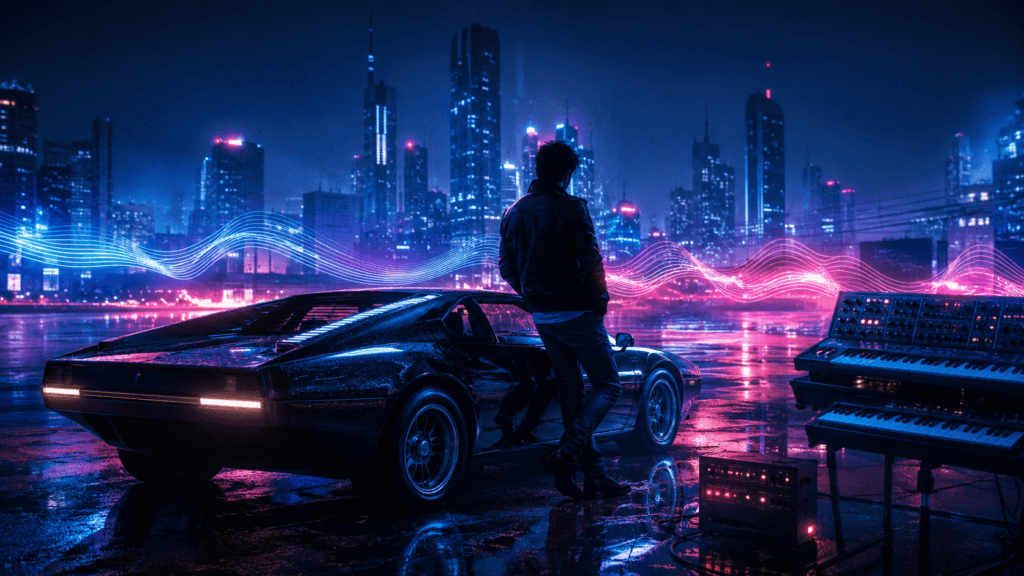
The world of electronic music has lost one of its most distinctive creative voices. French producer and DJ Kavinsky, whose cinematic synth-driven sound inspired artists, filmmakers, gamers, and music lovers around the globe, has died at the age of 50. News of his passing quickly spread across the music industry, prompting tributes from fellow musicians, fans, and cultural figures who celebrated a career that reshaped modern electronic music. Authorities in Paris confirmed that an investigation into the circumstances of his death is underway, while officials reported no immediate signs of suspicious activity. Although millions of listeners recognize Kavinsky because of the unforgettable song “Nightcall,” his influence extends far beyond one hit record. Over nearly two decades, he created an unmistakable musical identity by blending vintage synthesizers, cinematic storytelling, retro aesthetics, and modern electronic production. His work helped define the global synthwave revival and introduced countless listeners to a nostalgic yet futuristic style of music. For many fans, Kavinsky represented more than an artist. He embodied an entire visual universe inspired by neon-lit highways, 1980s action films, classic sports cars, arcade games, and late-night city drives. His music rarely sounded rushed. Instead, every track felt like the soundtrack to an imaginary movie where mystery, romance, and danger existed together. As the music community reflects on his remarkable career, this article explores who Kavinsky was, why his work mattered, how he became an international icon, and the lasting legacy he leaves behind. Kavinsky Dies at 50: What We Know So Far French electronic musician Kavinsky, born Vincent Belorgey, was found dead at his home in Paris on July 28, 2026. He was 50 years old. According to officials from the Paris prosecutor’s office, authorities have opened an investigation into the circumstances surrounding his death. Early findings indicate that investigators found no evidence suggesting suspicious circumstances, although the official cause of death had not been announced at the time of reporting. The announcement came as a shock because Kavinsky had remained active in music. Many fans still remembered his widely praised performance during the closing ceremony of the Paris 2024 Olympic Games, where he performed “Nightcall” before a worldwide audience. That appearance introduced his music to a new generation while reminding longtime listeners why his signature sound remained timeless. Soon after news of his death emerged, social media filled with heartfelt tributes. Fans shared memories of discovering his music through films, playlists, concerts, racing games, and late-night drives. Many described “Nightcall” as one of the defining songs of the modern electronic era. French leaders also honored his contribution to the country’s cultural landscape, recognizing his influence on music both within France and internationally. Who Was Kavinsky? Before becoming internationally known as Kavinsky, Vincent Belorgey lived a life that seemed far removed from global music success. Born in France in 1976, Belorgey originally pursued acting rather than music. His interest in cinema played a major role in shaping his artistic vision later in life. Instead of treating music as separate from storytelling, he combined both mediums to create immersive audio experiences. Unlike many electronic producers who focused primarily on dance clubs, Kavinsky imagined every song as part of a larger fictional universe. His records felt like scenes from an unseen movie. That cinematic approach eventually became his trademark. Instead of chasing mainstream trends, he developed a unique artistic identity built around: Retro-futuristic visuals Analog synthesizer sounds 1980s-inspired production Neon aesthetics Dark storytelling Minimal yet memorable melodies These elements helped distinguish Kavinsky from countless other electronic artists entering the scene during the mid-2000s. The Story Behind the Name Kavinsky One of the most fascinating aspects of Kavinsky was the fictional character he created. Rather than performing simply as Vincent Belorgey, he invented an alter ego inspired by classic horror films, science fiction, and action movies from the 1980s. Within this fictional universe: A young man crashes his Ferrari. He dies in the accident. He mysteriously returns with supernatural abilities. He spends eternity driving through neon-lit highways while creating electronic music. Although audiences understood that the story was fictional, it gave every album and performance a distinctive personality. Instead of simply releasing songs, Kavinsky invited listeners into an ongoing cinematic narrative. That creative decision helped separate him from artists whose branding relied only on logos or costumes. Kavinsky’s Early Life and Creative Influences Growing up in France, Vincent Belorgey developed interests that stretched far beyond music. He admired: American action films Horror movies Japanese animation Video games Vintage sports cars Electronic soundtracks 1980s pop culture Rather than hiding those influences, he embraced them completely. His work often paid tribute to: Analog synthesizers VHS-era visuals Retro arcade games Classic crime thrillers Neon cityscapes Midnight highways These inspirations later became essential pieces of the Kavinsky identity. Interestingly, many listeners who had never experienced the 1980s still connected with his music because it transformed nostalgia into something modern rather than simply recreating the past. How Kavinsky Entered the Electronic Music Scene The early 2000s proved to be an exciting period for French electronic music. Artists from France had already begun attracting worldwide attention, while international audiences became increasingly interested in electronic production that blended innovation with melody. Instead of following conventional dance music formulas, Kavinsky explored slower tempos, cinematic arrangements, and emotionally charged synthesizer compositions. His earliest releases quickly attracted attention inside electronic music circles because they sounded different. Rather than filling tracks with constant energy, he carefully balanced: Musical Element Kavinsky’s Approach Rhythm Steady and cinematic Melody Simple but memorable Synths Vintage analog textures Atmosphere Dark and mysterious Storytelling Film-inspired Production Detailed and immersive That combination became one of his greatest strengths. Why Kavinsky’s Sound Felt Different Electronic music includes many subgenres. However, Kavinsky built a sound that crossed several musical worlds without belonging entirely to any single one. Listeners often noticed: Heavy Cinematic Influence Many tracks sounded less like dance records and more like movie scenes. Instead of relying on constant vocal performances, instrumental sections carried emotional weight through layered synthesizers and carefully structured arrangements. Retro
Kavinsky Dies at 50: Remembering the French Electronic Music Pioneer Behind “Nightcall” Read More »