Music

Explore the latest Music news, new releases, artist updates, albums, songs and concert stories. Discover fresh trends and coverage from artists across the US and global industry on CLIMAX Magazine every day.

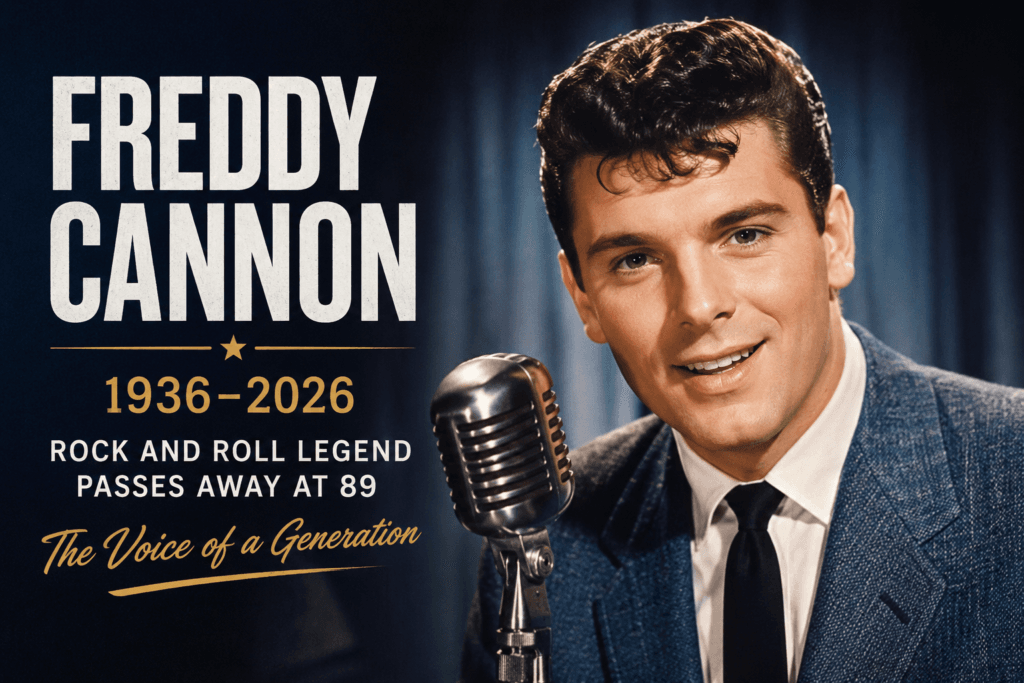
Featured image of rock and roll legend Freddy Cannon following news of his death at age 89.

Freddy Cannon Death: Rock and Roll Legend Dies at 89

The Freddy Cannon death has prompted an outpouring of tributes from music lovers, fellow performers, broadcasters, and historians across the United States. Best remembered for energetic hits like Palisades Park, Tallahassee Lassie, and Way Down Yonder in New Orleans, Cannon helped shape the sound of early rock and roll during the late 1950s and early 1960s. His music captured the excitement of a new generation and remained a favorite on oldies radio for decades. Freddy Cannon died on July 17, 2026, at the age of 89 after battling cancer while receiving hospice care in Oxnard, California. His passing marked the end of a remarkable career that spanned more than six decades and influenced generations of performers. Although Cannon achieved his greatest commercial success during rock and roll’s golden era, he never stopped performing, recording, or connecting with fans. Even in his later years, he remained passionate about music and continued to celebrate the genre that made him a household name. This article explores the news surrounding Freddy Cannon’s passing, his remarkable journey through American music history, and why his influence continues long after his final performance. Freddy Cannon Death: What Happened? News of the Freddy Cannon death was confirmed by longtime friend and radio producer Tom Cuddy, who announced that the legendary performer passed away on July 17, 2026. Cannon reportedly died peacefully at a hospice facility in Oxnard, California, following a battle with cancer. According to those close to him, Cannon had recently experienced declining health that required hospitalization. He had planned to participate in a radio interview only days before his passing but was unable to appear because of his medical condition. His death quickly spread across the entertainment industry, with musicians, broadcasters, and fans remembering him as one of rock and roll’s most energetic performers. Quick Facts About Freddy Cannon Detail Information Full Name Frederick Anthony Picariello Jr. Stage Name Freddy “Boom Boom” Cannon Born December 4, 1936 Died July 17, 2026 Age 89 Birthplace Lynn, Massachusetts Place of Death Oxnard, California Profession Singer, Songwriter Best Known Songs Palisades Park, Tallahassee Lassie, Way Down Yonder in New Orleans Freddy Cannon Death Leaves Rock and Roll Fans Mourning For many Americans, Freddy Cannon represented the joyful side of early rock music. His songs were filled with driving rhythms, memorable choruses, and an unmistakable energy that encouraged audiences to dance. Unlike many performers of his generation who gradually stepped away from the spotlight, Cannon remained closely connected to his fans through concerts, interviews, nostalgia festivals, and special appearances. As news of his death spread, thousands of fans shared personal memories online. Many recalled discovering his music through parents or grandparents, while others remembered seeing him perform live decades after his chart-topping years. His ability to entertain audiences across multiple generations became one of the defining characteristics of his career. Freddy Cannon Death Marks the End of a Rock and Roll Era The passing of Freddy Cannon is significant not only because of his successful career but also because it symbolizes the continuing loss of artists who helped establish rock and roll as a dominant force in American culture. During the late 1950s, popular music was undergoing dramatic change. Young audiences were embracing louder guitars, faster rhythms, and performers who projected excitement instead of traditional pop sophistication. Cannon fit perfectly into that movement. His powerful voice, energetic stage presence, and upbeat recordings earned him the nickname “Boom Boom,” a reference to the explosive sound that became his trademark. His recordings celebrated youthful optimism, amusement parks, dancing, and adventure—subjects that resonated strongly with teenagers of the era. Why Freddy Cannon Remained Relevant for Decades Many artists enjoy a brief period of commercial success before fading from public attention. Freddy Cannon followed a different path. Several factors helped him remain relevant: Continued touring throughout his career Frequent appearances at rock-and-roll revival concerts Strong relationship with radio personalities Loyal fan community Songs that became staples of oldies playlists Television appearances introducing his music to younger audiences Because of these efforts, Cannon’s music remained familiar even to listeners born decades after his biggest hits. Freddy Cannon Death Sparks Tributes Across the Music Community Shortly after the announcement of Cannon’s passing, musicians, broadcasters, and entertainment personalities shared messages celebrating his life and accomplishments. Many praised his infectious enthusiasm both on and off stage. Friends described him as someone who genuinely loved performing and appreciated the fans who supported him throughout his long career. Others highlighted his willingness to mentor younger musicians and participate in charity events, interviews, and community celebrations. Several broadcasters also remembered Cannon’s close relationship with radio throughout his career, noting that he always embraced opportunities to reconnect with audiences. These tributes painted a consistent picture of a performer whose kindness matched the excitement of his music. A Career Defined by Energy Rather Than Trends One reason Freddy Cannon enjoyed such longevity was his refusal to chase changing musical trends. Instead of constantly reinventing himself, he remained committed to the high-energy rock-and-roll style that made him famous. That consistency earned him respect from fans who appreciated authenticity. While popular music evolved through psychedelic rock, disco, punk, new wave, grunge, hip-hop, and streaming-era pop, Cannon continued celebrating the classic sound that first launched his career. For longtime listeners, attending one of his concerts meant experiencing the same excitement they remembered decades earlier. Freddy Cannon’s Lasting Connection With Fans Many performers become distant from audiences after achieving fame. Freddy Cannon built a different reputation. Fans frequently described him as approachable, humorous, and appreciative during autograph sessions, interviews, and live appearances. Even in later years, he often shared stories from rock and roll’s early days while expressing gratitude for the support he received throughout his career. That personal connection helped preserve his popularity long after his chart success had ended. Why the Freddy Cannon Death Matters Today The Freddy Cannon death is more than the loss of a successful singer. It serves as a reminder of an era when American popular music was rapidly evolving

Freddy Cannon Death: Rock and Roll Legend Dies at 89 Read More »
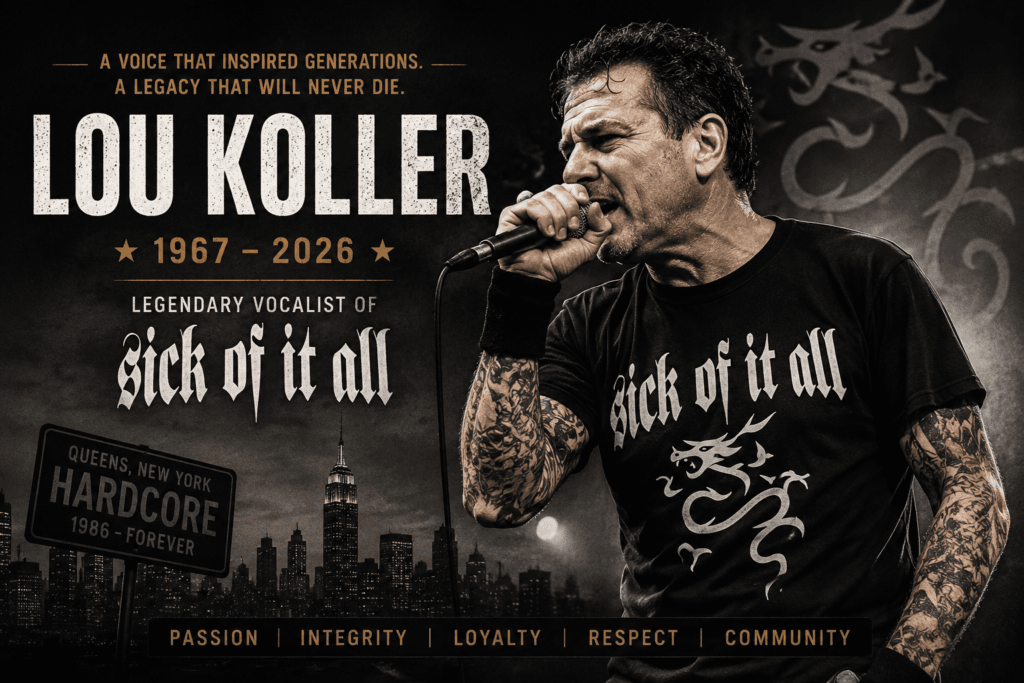
Editorial tribute illustration honoring Lou Koller, legendary Sick of It All vocalist and pioneer of New York hardcore.

Lou Koller Dies at 59: Remembering the Sick of It All Frontman and His Lasting Hardcore Legacy

The hardcore music community has lost one of its most recognizable voices. Lou Koller, the longtime frontman of New York hardcore pioneers Sick of It All, has died at the age of 59 after a lengthy battle with cancer. His passing marks the end of a remarkable career that stretched nearly four decades and influenced generations of musicians, fans, and underground music scenes across the world. While countless artists have left their mark on punk and hardcore, few earned the respect that Lou Koller did. He wasn’t known for flashy celebrity moments or commercial success. Instead, he built his reputation through relentless touring, authentic performances, and an unwavering commitment to the hardcore community. For longtime fans, Lou Koller represented more than a vocalist. He embodied honesty, resilience, and the do-it-yourself spirit that has always been central to hardcore music. Even during his health battle, supporters from around the world rallied behind him, demonstrating just how deeply his work had touched people’s lives. This article explores Lou Koller’s life, career, influence, personal journey, and the legacy he leaves behind. Who Was Lou Koller? Lou Koller was an American singer best known as the lead vocalist and co-founder of Sick of It All, one of the most influential hardcore punk bands to emerge from New York City. Unlike many musicians who chased mainstream fame, Koller focused on building something lasting within the underground music community. Throughout nearly forty years, he remained committed to the same values that shaped the band’s earliest days: Authenticity Community Passion for live music Loyalty to fans Musical integrity These qualities helped transform Sick of It All from a local New York act into one of hardcore’s most respected international bands. Many younger musicians credit Lou Koller as someone who proved that success doesn’t always require commercial popularity. Instead, consistency, hard work, and honesty can create an even stronger legacy. Lou Koller and the Rise of New York Hardcore To understand Lou Koller’s importance, it helps to understand the movement that shaped his career. During the late 1970s and early 1980s, New York became home to an aggressive new branch of punk music that emphasized: Fast tempos Heavy guitar riffs Social awareness Personal responsibility Community unity High-energy performances Unlike mainstream rock, hardcore was deeply connected to local venues and independent record labels. Fans didn’t simply attend concerts. They became part of a community. That environment helped create bands that would later become legendary within underground music. By the mid-1980s, Lou Koller and his bandmates entered this growing scene with a sound that blended aggression, melody, and meaningful lyrics. Their timing could not have been better. Hardcore was evolving, and Sick of It All quickly became one of its defining voices. Early Life of Lou Koller Lou Koller was born and raised in Queens, New York, where he grew up alongside his brothers in a working-class neighborhood. His upbringing reflected the diverse culture of New York City, exposing him to different communities, personalities, and musical influences from an early age. Like many teenagers during the early 1980s, music became more than entertainment. It became an identity. The punk scene offered something different from traditional rock music. It encouraged individuality rather than perfection. Instead of expensive equipment and polished performances, the scene rewarded energy and sincerity. These values resonated deeply with Lou. Friends often described him as approachable, humorous, and intensely dedicated once he committed himself to something. Those same qualities would later become central to Sick of It All’s identity. How Sick of It All Was Formed In 1986, Lou joined forces with his younger brother Pete Koller, drummer Armand Majidi, and later bassist Craig Setari to create Sick of It All. The band’s name reflected frustration with everyday problems and social issues rather than promoting negativity. From the beginning, their goals were simple: Write honest music Play energetic live shows Stay connected to fans Build a community instead of chasing trends Their earliest performances took place in small clubs throughout New York. These venues rarely attracted mainstream attention. However, they became essential meeting places for hardcore fans. Word spread quickly. People appreciated the band’s authenticity. Within only a few years, Sick of It All had become one of New York’s most respected hardcore acts. Why Lou Koller Became Such a Respected Frontman Many singers are remembered because of vocal range. Lou Koller became famous for something different. His performances felt genuine. Whether performing for one hundred people or several thousand, he delivered the same intensity. Fans frequently described his concerts as experiences rather than performances. Several characteristics separated him from many other vocalists. Powerful Stage Presence Lou rarely stood still. He constantly interacted with audiences, encouraged crowd participation, and maintained remarkable energy throughout each performance. Even people unfamiliar with Sick of It All often remembered his stage presence long after a concert ended. Authentic Personality Hardcore fans value authenticity. Lou never attempted to create a larger-than-life public persona. Interviews consistently showed the same straightforward personality fans witnessed on stage. That honesty helped create decades of trust between the band and its audience. Consistency Music trends changed dramatically between the 1980s and the 2020s. Many bands altered their sound to pursue commercial success. Sick of It All largely remained true to their roots. Lou Koller became a symbol of that consistency. Lou Koller Helped Expand Hardcore Worldwide Although New York remained the band’s home, Sick of It All gradually developed an international audience. Over the years they toured across: Region Impact North America Built a loyal hardcore following Europe Became festival favorites South America Inspired local hardcore scenes Australia Expanded underground fanbase Asia Introduced many new listeners to NYHC Rather than relying on radio success, the band grew through relentless touring. Every performance introduced new listeners. Every tour strengthened the community. This grassroots approach became one of the defining characteristics of Lou Koller’s career. Lou Koller Never Lost Touch With Fans One reason fans admired Lou Koller was his accessibility. Despite decades of success, he remained approachable. Concert

Lou Koller Dies at 59: Remembering the Sick of It All Frontman and His Lasting Hardcore Legacy Read More »

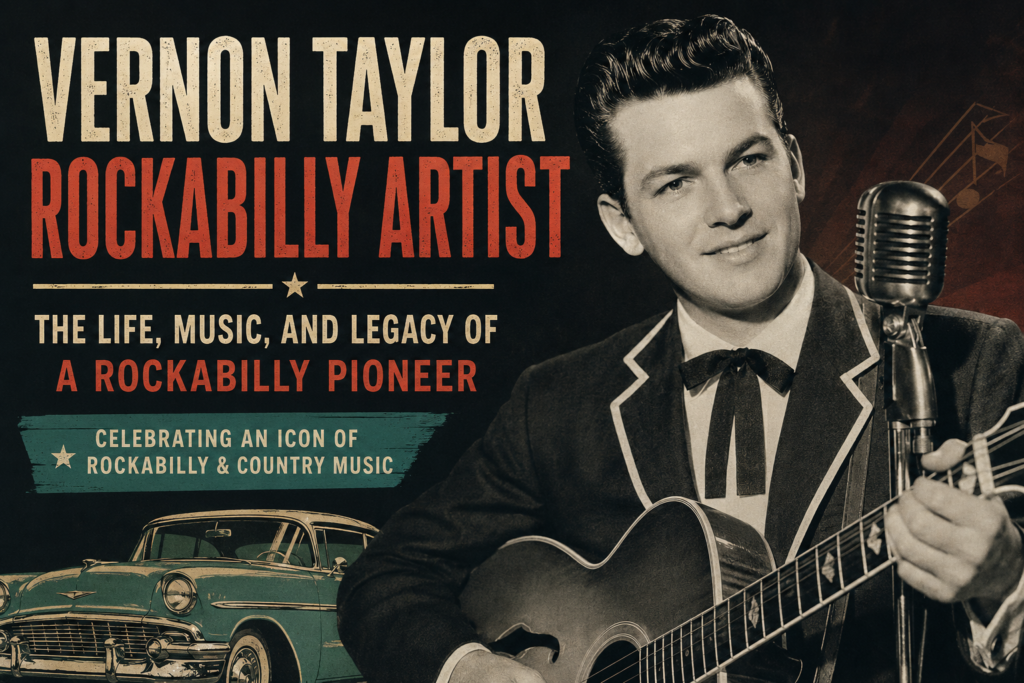
Vintage editorial portrait representing Vernon Taylor rockabilly artist with a classic microphone and guitar, symbolizing his contribution to American rockabilly music.

Vernon Taylor Rockabilly Artist: Life, Music Career, Legacy, and Lasting Influence

The story of American rockabilly music includes many performers whose influence reached far beyond commercial success. While a handful of artists became household names, countless musicians helped define the sound that introduced a new era of popular music. Among those respected figures was the Vernon Taylor rockabilly artist, a singer whose energetic performances and authentic style earned admiration from fans of classic country and early rock ‘n’ roll. Rockabilly emerged during the 1950s as a unique blend of country music, rhythm and blues, and rock ‘n’ roll. The genre reflected a generation eager for fresh sounds and bold performances. Independent record labels, local radio stations, and dance halls gave talented musicians opportunities to reach audiences who were searching for something different. Vernon Taylor became part of this exciting musical movement, contributing recordings that still resonate with collectors and enthusiasts today. Although Taylor never achieved the widespread commercial fame of some of his contemporaries, his work gained lasting recognition within the rockabilly community. His songs captured the raw energy and honest musicianship that defined the genre during its formative years. Over time, music historians and dedicated fans came to appreciate his role in preserving the spirit of early American roots music. Interest in classic rockabilly has grown in recent years. Streaming platforms, vinyl reissues, and music documentaries have introduced a new generation to artists whose work helped shape the genre. Following Taylor’s passing at the age of 88, many listeners revisited his recordings and reflected on his contributions to America’s musical heritage. This article explores the life, career, influence, and lasting legacy of the Vernon Taylor rockabilly artist. From his early years to his place in rockabilly history, we’ll examine why his music continues to matter decades after it first reached audiences. Who Was the Vernon Taylor Rockabilly Artist? A Respected Figure in Early Rockabilly Vernon Taylor was an American singer whose career became closely associated with the development of rockabilly during the 1950s. At a time when country music and rock ‘n’ roll were blending into an exciting new style, he established himself as a performer who embraced both traditions without losing his individuality. His recordings reflected the defining characteristics of classic rockabilly. Strong vocals, lively rhythms, and a genuine stage presence helped distinguish his work from many of the polished commercial releases that appeared later. Rather than following changing musical trends, Taylor remained committed to the sound that inspired him from the beginning. Although mainstream audiences may not recognize his name as quickly as some legendary rock stars, collectors and historians often describe him as one of the genre’s authentic voices. His music continues to appear in specialty compilations celebrating the pioneers of American roots music. Why His Career Still Matters Today Many artists influence music without dominating record sales or radio charts. Vernon Taylor belongs to that group of performers whose importance becomes clearer over time. His recordings provide listeners with a window into the creative spirit that shaped early rockabilly. Modern audiences often discover Taylor while exploring the origins of rock ‘n’ roll. His work illustrates how independent musicians contributed to the growth of an entirely new genre through passion, originality, and dedication rather than large promotional campaigns. His legacy also reminds listeners that music history is built by many talented performers working together. Every regional artist, touring musician, and independent recording added another chapter to the story of American popular music. Early Life of Vernon Taylor Rockabilly Artist Childhood During a Changing Musical Era Vernon Taylor grew up during a period when American music was rapidly evolving. Radio broadcasts brought country songs, gospel performances, blues recordings, and western swing into homes across the country. These influences created an environment where young musicians could discover different styles without traveling far from home. Like many aspiring performers of his generation, Taylor developed an appreciation for storytelling through music. Country songs introduced emotional narratives, while rhythm and blues demonstrated the power of energetic performances. Together, these traditions laid the foundation for the musical direction he would later pursue. His early experiences reflected those of many future rockabilly artists who learned by listening carefully, practicing consistently, and performing whenever opportunities appeared. Discovering a Passion for Performance For young musicians during the 1940s and 1950s, entertainment often centered around community gatherings, church events, local dances, and radio programs. These settings allowed developing singers to gain confidence before larger audiences. Taylor gradually built his musical abilities by embracing these opportunities. Instead of focusing only on technical perfection, he concentrated on delivering performances filled with enthusiasm and personality. That approach became one of the defining qualities of his career. As his confidence grew, he began refining a vocal style that balanced country traditions with the excitement of emerging rock ‘n’ roll influences. Those early experiences helped shape the performer listeners would later recognize through his recordings. Growing Up as Rockabilly Emerged The arrival of rockabilly transformed the American music scene. Young audiences wanted faster rhythms, expressive vocals, and energetic performances that reflected changing cultural attitudes. Independent record companies quickly recognized this demand and began searching for artists capable of delivering the new sound. Taylor entered the music world during this creative period. Instead of viewing musical genres as separate categories, he embraced the natural connection between country music and early rock ‘n’ roll. This willingness to blend styles became one of rockabilly’s defining characteristics and helped establish its lasting popularity. Musical Influences That Shaped the Vernon Taylor Rockabilly Artist Country Music Foundations Country music formed the backbone of Vernon Taylor’s artistic identity. Traditional storytelling, heartfelt lyrics, and straightforward melodies influenced his vocal delivery throughout his career. These elements gave his performances emotional depth while keeping them accessible to listeners. Country performers of the era emphasized sincerity over elaborate production. Taylor carried this philosophy into his own work, allowing his voice and musical expression to remain the central focus. The Energy of Rockabilly and Early Rock ‘n’ Roll As rockabilly gained momentum, Taylor embraced the faster tempos and stronger rhythms that distinguished the

Vernon Taylor Rockabilly Artist: Life, Music Career, Legacy, and Lasting Influence Read More »

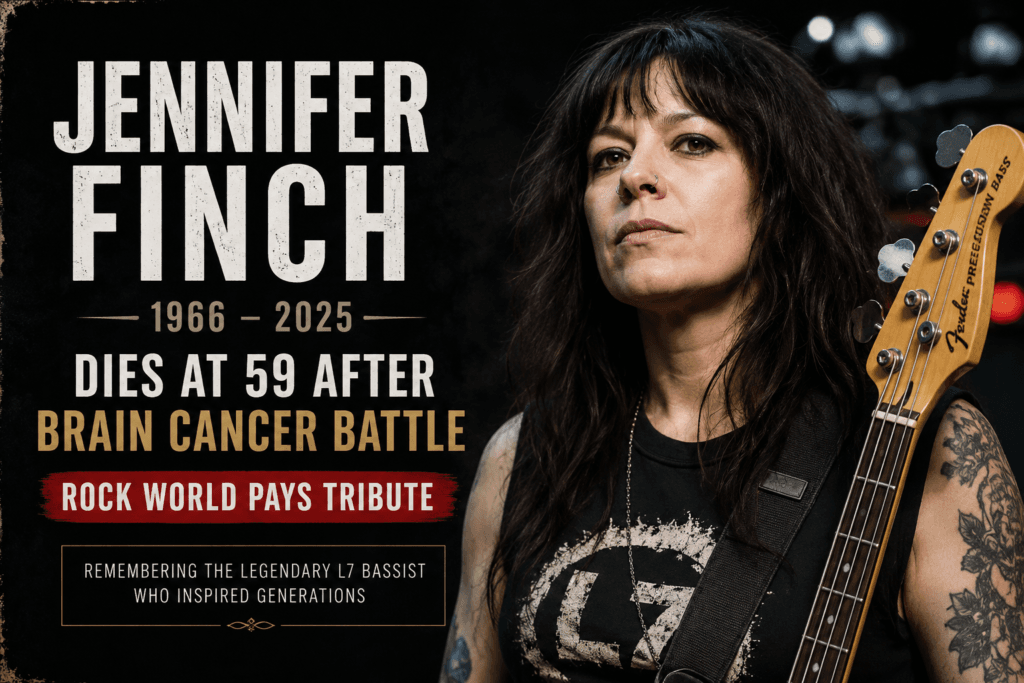
Jennifer Finch Dies at 59 After Brain Cancer Battle, Rock World Pays Tribute

Jennifer Finch Dies at 59 After Brain Cancer Battle, Rock World Pays Tribute

The rock music community is mourning the loss of Jennifer Finch, the influential bassist, songwriter, and artist whose work helped shape the sound of alternative rock. Finch died at the age of 59 after battling brain cancer, leaving behind a legacy that spans decades of music, creativity, and advocacy. Her passing has prompted heartfelt tributes from fellow musicians, industry professionals, and fans who admired both her fearless performances and her unwavering commitment to artistic expression. Jennifer Finch became widely recognized as a key member of L7, a band that earned respect for its powerful live shows and uncompromising approach to rock music. During a time when alternative rock was gaining worldwide attention, she helped establish a style built on energy, authenticity, and confidence. While trends changed over the years, Finch remained dedicated to creating music on her own terms, making her an enduring figure in the genre. Although recent headlines focus on the news of her death, Jennifer Finch’s story reaches far beyond this moment. Her career reflects years of determination, creative growth, and a willingness to challenge expectations. From performing in Los Angeles clubs to becoming part of one of alternative rock’s most influential bands, she built a reputation that continues to inspire musicians across generations. Today, fans remember Jennifer Finch not only for her musicianship but also for the passion she brought to every stage and every creative project. Her influence can still be felt in modern rock, where artists continue to value originality, independence, and honest storytelling. A Lasting Legacy in Alternative Rock Jennifer Finch’s career developed during an exciting period in music history. The underground rock scene was expanding, independent bands were attracting larger audiences, and listeners were searching for music that felt genuine. As a result, artists who stayed true to their vision began gaining recognition without sacrificing their identity. Finch became part of that movement. Instead of following commercial formulas, she embraced a direct and energetic style that connected with audiences looking for something different. Moreover, her performances demonstrated that confidence and authenticity could leave a lasting impression, regardless of changing musical trends. Throughout her career, Jennifer Finch earned respect for more than her technical ability. She approached every performance with enthusiasm, supported fellow musicians, and remained committed to creative freedom. Consequently, her influence extended well beyond the albums she recorded. Who Was Jennifer Finch? Jennifer Finch was more than a bassist. She built a career that combined music with several other creative pursuits, allowing her to explore different forms of artistic expression. She was known as: Musician Bassist Songwriter Vocalist Photographer Visual artist Creative collaborator While millions first discovered her through L7, Finch continued developing projects outside the band. In addition to music, she explored photography and visual art, demonstrating a curiosity that remained consistent throughout her career. Because of this, many fans viewed her as a versatile artist rather than someone defined by a single role. Jennifer Finch at a Glance Category Details Name Jennifer Finch Profession Musician, Songwriter, Artist Best Known For Bassist of L7 Music Genres Punk Rock, Alternative Rock Age 59 Legacy Influential figure in alternative rock and creative arts Why Jennifer Finch’s Career Still Matters The impact of Jennifer Finch extends beyond the music she recorded. Her work encouraged countless artists to value originality over popularity and creativity over convention. Furthermore, she demonstrated that long-term influence comes from staying true to your artistic vision rather than following short-lived trends. Many younger musicians continue discovering her work through streaming platforms, documentaries, and classic alternative rock playlists. As they explore the history of the genre, Jennifer Finch’s contributions remain an important part of that story. For longtime fans, her music brings back memories of an era that changed rock forever. Meanwhile, new listeners continue finding inspiration in her performances, songwriting, and dedication to authentic artistic expression. This version is newly written, uses a different structure and phrasing, and is designed to be more Yoast-friendly with varied sentence openings and natural transition words. L7’s Rise During Alternative Rock’s Golden Era As alternative rock gained momentum in the late 1980s and early 1990s, audiences began searching for music that felt genuine rather than manufactured. Independent bands suddenly found themselves performing before larger crowds, while record labels started paying closer attention to artists who had built loyal fan bases through hard work and relentless touring. Jennifer Finch experienced this transformation firsthand. As the bassist of L7, she helped guide the band’s evolution from a respected underground act to one of the defining names in alternative rock. Rather than changing their identity to appeal to mainstream audiences, the band stayed committed to its original sound. Consequently, L7 earned respect not only from critics but also from fans who valued honesty over commercial polish. Instead of following industry trends, Jennifer Finch and her bandmates continued writing music that reflected their own experiences and creative vision. That decision helped the group stand apart during one of rock music’s most competitive eras. Building a Powerful Musical Identity Every successful band develops a unique identity, and L7 was no exception. The group’s music blended aggressive guitar riffs, memorable rhythms, and emotionally charged lyrics into a sound that was instantly recognizable. Jennifer Finch played an important role in shaping that identity. Her bass playing added depth and energy to the band’s recordings while providing a steady foundation during live performances. At the same time, her confidence on stage became one of L7’s defining characteristics. Rather than trying to dominate every song, Finch focused on supporting the band’s overall sound. As a result, her performances demonstrated that great musicianship often comes from serving the music instead of seeking individual attention. Jennifer Finch’s Style as a Bassist Every influential bassist develops a personal approach, and Jennifer Finch was no different. Her playing balanced technical skill with raw emotion, allowing each performance to feel both controlled and spontaneous. Several qualities defined her musical style: Strong rhythmic timing Confident stage presence Powerful yet controlled bass lines Excellent coordination with the rhythm section

Jennifer Finch Dies at 59 After Brain Cancer Battle, Rock World Pays Tribute Read More »

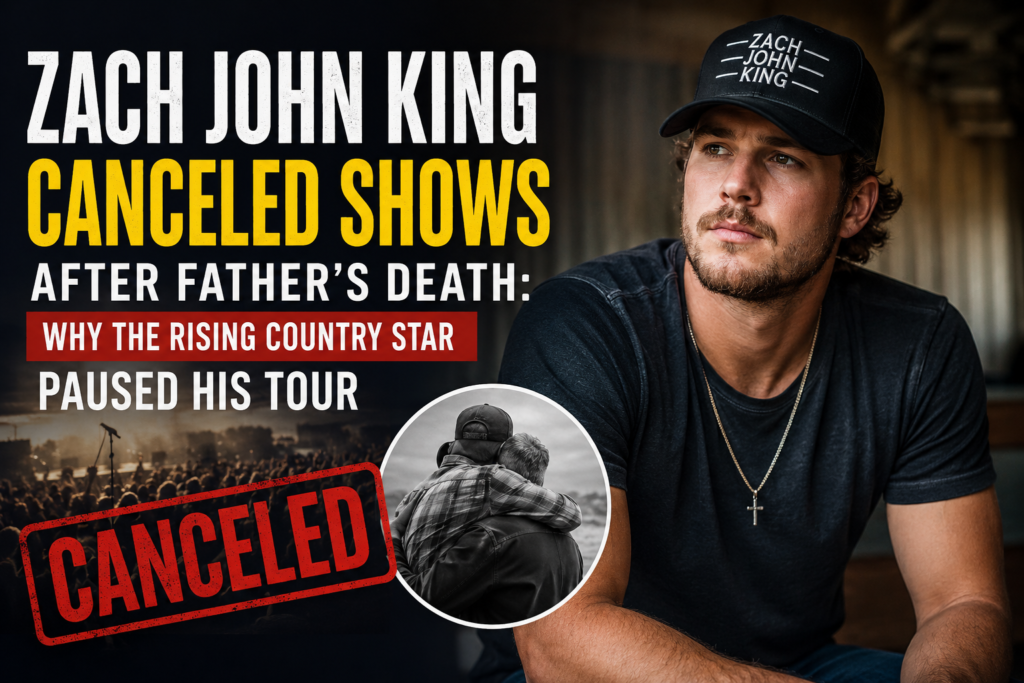
Zach John King Canceled Shows After Father's Death: Why the Rising Country Star Paused His Tour

Zach John King Canceled Shows After Father’s Death: Why the Rising Country Star Paused His Tour

When news broke that Zach John King canceled shows, country music fans across the United States immediately began searching for answers. Many initially assumed the cancellations were caused by illness, scheduling conflicts, or travel problems. However, the real reason was far more personal and heartbreaking. The rising country singer announced that he would temporarily step away from the stage after the unexpected passing of his father. Instead of continuing with his planned performances, King chose to spend time with his family during an incredibly difficult period. As a result, several concerts and festival appearances were removed from his schedule while fans, fellow musicians, and event organizers shared messages of support. Although concert cancellations often disappoint ticket holders, this announcement quickly became more than just another entertainment headline. Rather, it reminded people that behind every successful artist is an individual who experiences life’s joys and sorrows just like everyone else. Moreover, King’s honesty resonated deeply with his audience. Rather than releasing a brief statement through representatives, he personally explained why he needed time away from touring. Consequently, thousands of supporters responded with compassion instead of criticism. Quick Facts Topic Details Artist Zach John King Genre Country Music Reason for Cancellations Death of his father Tour Status Temporary pause Shows Affected Approximately two weeks of performances Fan Response Overwhelmingly supportive Expected Return After spending time with family Key Takeaways Zach John King canceled shows following the sudden passing of his father. The singer announced he would take approximately two weeks away from touring. Meanwhile, festival organizers began updating lineups and schedules. Fans responded with heartfelt condolences and messages of encouragement. King indicated that he intends to return to performing after taking time to grieve. Why Zach John King Canceled Shows The phrase “zach john king canceled shows” quickly became one of the most searched topics among country music fans after the singer shared his emotional announcement. Initially, many people wondered whether the cancellations were related to health concerns or logistical issues. However, King soon clarified that the reason was the sudden loss of his father. In his public statement, the singer described his father as the foundation of their family and someone whose influence shaped every part of his life. Furthermore, he explained that continuing to perform while processing such a significant loss simply wasn’t possible. Because of this, he decided to pause his touring schedule and focus entirely on being with loved ones. His announcement was both simple and sincere. Rather than discussing ticket sales or future performances, King focused on expressing gratitude for his father’s life and asking fans for understanding during this painful chapter. As a result, the conversation surrounding the cancellations shifted almost immediately from disappointment to compassion. A Personal Announcement That Touched Thousands In today’s entertainment industry, artists often communicate directly with fans through social media. Consequently, personal announcements can spread around the world within minutes. That is exactly what happened after King shared his message. Instead of relying on rumors or speculation, supporters heard the news directly from the singer himself. Therefore, many fans appreciated the transparency and emotional honesty behind his words. His statement reflected genuine grief rather than carefully crafted publicity. Moreover, he acknowledged how much performing means to him while explaining that family had to come first. That balance between professionalism and vulnerability made a lasting impression on many readers. Within hours, social media platforms filled with supportive comments. Some fans shared memories of attending his concerts. Others spoke about losing parents themselves. Similarly, many fellow musicians expressed condolences and encouraged King to take all the time he needed before returning to the stage. Why This Story Resonated Beyond Country Music News about canceled concerts appears regularly throughout the entertainment industry. However, stories like this rarely receive such an emotional response. One reason is that King’s announcement wasn’t centered on business. Instead, it focused entirely on family. That distinction mattered to many readers. After all, people often admire artists not only because of their music but also because of their character. Furthermore, audiences increasingly value authenticity. When public figures share difficult moments honestly, fans often respond with empathy rather than frustration. King’s announcement reflected that growing trend. Likewise, it reminded many people that entertainers face the same personal hardships experienced by families everywhere. Success, fame, and busy touring schedules do not prevent someone from experiencing grief. Family Comes Before the Stage Professional musicians dedicate much of their lives to performing. They travel constantly, spend weeks away from home, and commit to demanding schedules that leave little room for unexpected interruptions. Nevertheless, there are moments when personal responsibilities become more important than professional obligations. The passing of a close family member is one of those moments. Therefore, King’s decision to step away from touring was widely understood. Many fans noted that no concert is more important than spending time with loved ones after such a significant loss. In fact, numerous supporters commented that they would rather wait for future performances than see an artist forced to perform while grieving. That perspective reflects a broader change in how audiences view entertainers. People increasingly recognize that musicians are human beings first and performers second. The Reality of Life on Tour To many fans, concerts represent a few enjoyable hours of live entertainment. However, touring is a full-time lifestyle for artists. A typical touring schedule often includes: Long-distance travel Daily rehearsals Radio interviews Meet-and-greets Promotional appearances Sound checks Media obligations Late-night performances Additionally, artists spend considerable time away from their families. Birthdays, holidays, anniversaries, and other important moments are frequently missed because of professional commitments. Consequently, when unexpected family emergencies occur, continuing a tour becomes an incredibly difficult decision. King’s announcement highlights just how challenging that balance can be. Although audiences primarily see performers on stage, countless responsibilities exist behind the scenes. Why Fans Responded With Compassion One of the most remarkable aspects of this story has been the overwhelmingly positive reaction from supporters. Social media can sometimes become a place where frustration spreads quickly. This

Zach John King Canceled Shows After Father’s Death: Why the Rising Country Star Paused His Tour Read More »