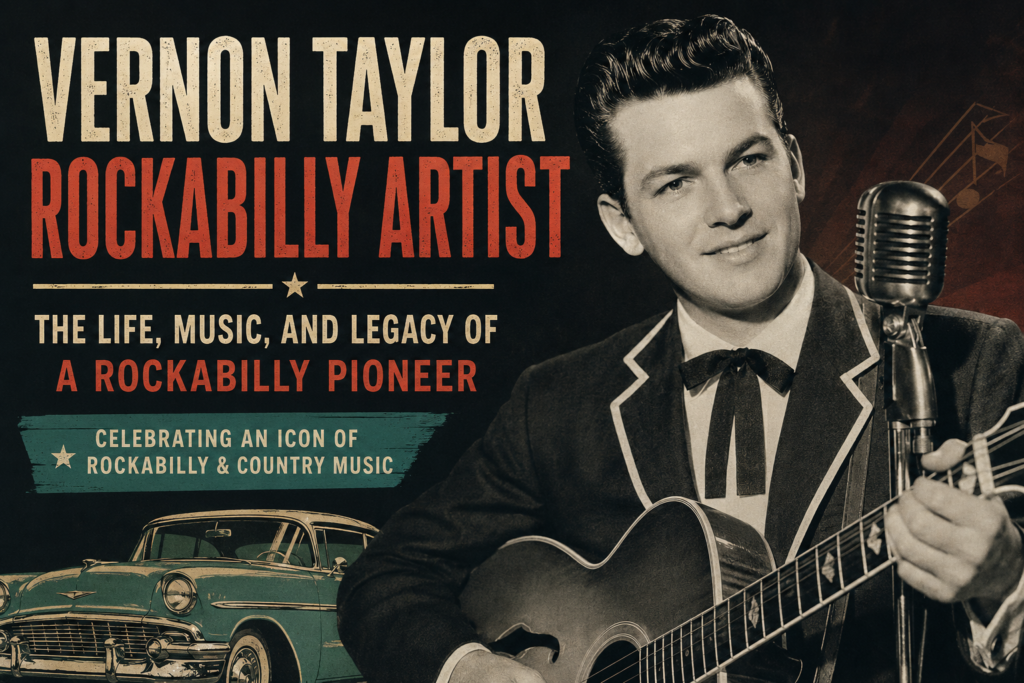
Vernon Taylor Rockabilly Artist: Life, Music Career, Legacy, and Lasting Influence
The story of American rockabilly music includes many performers whose influence reached far beyond commercial success. While a handful of artists became household names, countless musicians helped define the sound that introduced a new era of popular music. Among those respected figures was the Vernon Taylor rockabilly artist, a singer whose energetic performances and authentic style earned admiration from fans of classic country and early rock ‘n’ roll. Rockabilly emerged during the 1950s as a unique blend of country music, rhythm and blues, and rock ‘n’ roll. The genre reflected a generation eager for fresh sounds and bold performances. Independent record labels, local radio stations, and dance halls gave talented musicians opportunities to reach audiences who were searching for something different. Vernon Taylor became part of this exciting musical movement, contributing recordings that still resonate with collectors and enthusiasts today. Although Taylor never achieved the widespread commercial fame of some of his contemporaries, his work gained lasting recognition within the rockabilly community. His songs captured the raw energy and honest musicianship that defined the genre during its formative years. Over time, music historians and dedicated fans came to appreciate his role in preserving the spirit of early American roots music. Interest in classic rockabilly has grown in recent years. Streaming platforms, vinyl reissues, and music documentaries have introduced a new generation to artists whose work helped shape the genre. Following Taylor’s passing at the age of 88, many listeners revisited his recordings and reflected on his contributions to America’s musical heritage. This article explores the life, career, influence, and lasting legacy of the Vernon Taylor rockabilly artist. From his early years to his place in rockabilly history, we’ll examine why his music continues to matter decades after it first reached audiences. Who Was the Vernon Taylor Rockabilly Artist? A Respected Figure in Early Rockabilly Vernon Taylor was an American singer whose career became closely associated with the development of rockabilly during the 1950s. At a time when country music and rock ‘n’ roll were blending into an exciting new style, he established himself as a performer who embraced both traditions without losing his individuality. His recordings reflected the defining characteristics of classic rockabilly. Strong vocals, lively rhythms, and a genuine stage presence helped distinguish his work from many of the polished commercial releases that appeared later. Rather than following changing musical trends, Taylor remained committed to the sound that inspired him from the beginning. Although mainstream audiences may not recognize his name as quickly as some legendary rock stars, collectors and historians often describe him as one of the genre’s authentic voices. His music continues to appear in specialty compilations celebrating the pioneers of American roots music. Why His Career Still Matters Today Many artists influence music without dominating record sales or radio charts. Vernon Taylor belongs to that group of performers whose importance becomes clearer over time. His recordings provide listeners with a window into the creative spirit that shaped early rockabilly. Modern audiences often discover Taylor while exploring the origins of rock ‘n’ roll. His work illustrates how independent musicians contributed to the growth of an entirely new genre through passion, originality, and dedication rather than large promotional campaigns. His legacy also reminds listeners that music history is built by many talented performers working together. Every regional artist, touring musician, and independent recording added another chapter to the story of American popular music. Early Life of Vernon Taylor Rockabilly Artist Childhood During a Changing Musical Era Vernon Taylor grew up during a period when American music was rapidly evolving. Radio broadcasts brought country songs, gospel performances, blues recordings, and western swing into homes across the country. These influences created an environment where young musicians could discover different styles without traveling far from home. Like many aspiring performers of his generation, Taylor developed an appreciation for storytelling through music. Country songs introduced emotional narratives, while rhythm and blues demonstrated the power of energetic performances. Together, these traditions laid the foundation for the musical direction he would later pursue. His early experiences reflected those of many future rockabilly artists who learned by listening carefully, practicing consistently, and performing whenever opportunities appeared. Discovering a Passion for Performance For young musicians during the 1940s and 1950s, entertainment often centered around community gatherings, church events, local dances, and radio programs. These settings allowed developing singers to gain confidence before larger audiences. Taylor gradually built his musical abilities by embracing these opportunities. Instead of focusing only on technical perfection, he concentrated on delivering performances filled with enthusiasm and personality. That approach became one of the defining qualities of his career. As his confidence grew, he began refining a vocal style that balanced country traditions with the excitement of emerging rock ‘n’ roll influences. Those early experiences helped shape the performer listeners would later recognize through his recordings. Growing Up as Rockabilly Emerged The arrival of rockabilly transformed the American music scene. Young audiences wanted faster rhythms, expressive vocals, and energetic performances that reflected changing cultural attitudes. Independent record companies quickly recognized this demand and began searching for artists capable of delivering the new sound. Taylor entered the music world during this creative period. Instead of viewing musical genres as separate categories, he embraced the natural connection between country music and early rock ‘n’ roll. This willingness to blend styles became one of rockabilly’s defining characteristics and helped establish its lasting popularity. Musical Influences That Shaped the Vernon Taylor Rockabilly Artist Country Music Foundations Country music formed the backbone of Vernon Taylor’s artistic identity. Traditional storytelling, heartfelt lyrics, and straightforward melodies influenced his vocal delivery throughout his career. These elements gave his performances emotional depth while keeping them accessible to listeners. Country performers of the era emphasized sincerity over elaborate production. Taylor carried this philosophy into his own work, allowing his voice and musical expression to remain the central focus. The Energy of Rockabilly and Early Rock ‘n’ Roll As rockabilly gained momentum, Taylor embraced the faster tempos and stronger rhythms that distinguished the
Vernon Taylor Rockabilly Artist: Life, Music Career, Legacy, and Lasting Influence Read More »